


Improving the energy of a workplace often requires looking beyond traditional management strategies.
Many professionals focus on software or schedule changes to find efficiency. They miss the physical environment where the work actually happens. Empty walls and cold offices can drain the spirit of a team over time.
Adding art to a workspace changes the atmosphere and the way people think. It serves as a mental reset for those staring at screens for hours.
This simple shift can make a desk feel like a place of inspiration rather than just a spot to process tasks.
Boost Creative Problem Solving
Staring at a blank wall does little to spark new ideas when a project hits a wall. Research into business design has found that companies using original art see a 32% improvement in creative problem-solving. Having something interesting to look at helps the brain make new connections.
A team that feels stuck can often find a fresh perspective just by shifting their gaze. Art provides a visual break that allows the subconscious to keep working on a problem. This creates a flow where people feel more capable of tackling complex challenges throughout the day.

Lower Stress and Frustration
Workplace tension is a major drain on total energy and output. One in four workers in America says they feel chronically angry, which leads to higher turnover and poor performance. A calm environment helps manage these emotions before they become a real issue.
Visual elements like animal prints and wall art with nature scenes provide a sense of comfort. Most people find that a space with personality feels safer and more inviting than a sterile room. High-energy environments need these anchors to keep the mood from becoming too stressed or chaotic.
Reduce Emotional Exhaustion
The way an office is set up directly impacts how tired employees feel by the end of the week. Studies on office design show a link between emotional exhaustion and the layout of the workspace. This is especially true in modern hot-desking offices where people lack a permanent spot.
Art helps define a space and makes it feel more permanent and supportive. It fights the feeling of being a small gear in a large machine. When a room feels designed for humans, the mental load of the workday feels a lot lighter.
Master Deep Focus
Distractions are the biggest enemy of a productive afternoon. It takes over 23 minutes to get back into a deep focus zone after a single interruption at the office. Creating a space that encourages concentration is vital for getting through a heavy to-do list.
Art helps by providing a “soft” focus point that doesn’t demand the same energy as a notification. It allows the eyes to rest without fully disengaging from the workspace. This helps maintain a rhythm that keeps the day moving toward a successful finish.
Apply the Pareto Principle
Efficiency is about focusing on the small changes that bring the biggest results. The Pareto Principle suggests that 80% of results come from only 20% of the effort put in. Enhancing the environment is a low-effort change that yields high returns for team morale.
- Select pieces that reflect the company culture.
- Use different colors to set the mood for different rooms.
- Rotate the art every few months to keep the energy fresh.
- Ask team members for their input on what they like.
Sustainability and human-centered design will be standard for most growing companies. Prioritizing the visual health of a workspace is part of this shift. It shows that the business cares about the daily experience of the people doing the work.
Encourage Faster Recovery
Mental fatigue can set in quickly during a long meeting or a complex data task. Recent reports on design trends suggest that multi-sensory environments help employees focus and collaborate better. Sight is the most dominant sense for most workers during the day.
Even a short look at a painting can act as a mental palate cleanser. Some data suggests that people look at museum art for about 27 seconds on average to process the piece. In an office, these short bursts of observation help the brain recover from the strain of reading text or numbers.
Increase Overall Output
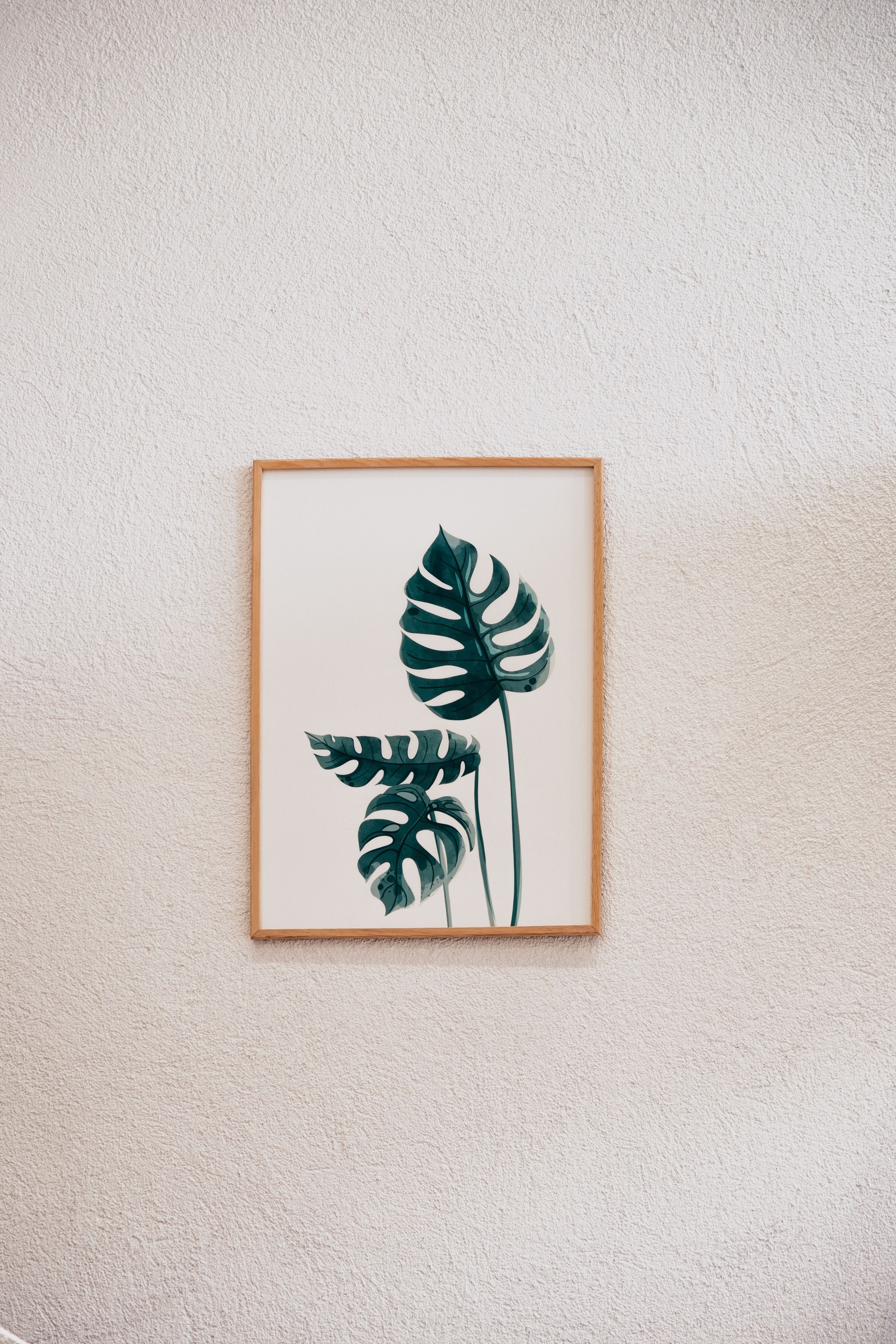
The bottom line is that happy and inspired workers do better work. Businesses that invest in their office aesthetics report a 17% increase in productivity. This isn’t just about making things look pretty for clients.
It is about creating a space where people actually want to spend their time.
When the energy in the room is high, the work feels less like a chore. High-quality visuals serve as a constant, quiet battery for the team.
Making art a part of the daily routine helps everyone stay more engaged with their surroundings. It turns a standard office into a place where people can thrive. A little color and personality can be the spark that keeps the momentum going all week long.
 Checkprint & Metro Bank renew significant contract
 Calling ‘order’ on inbound goods
 Zebra’s Mobility DNA Suite Achieves Oracle Validated Integration with Oracle Retail Store Inventory Management
 Helping Connect People to Their Doctors
 Neptune Energy Partners with TCS to Become an Insights-Driven, Cloud-First Organization
 The Hidden IT Costs Slowing Down Chicago’s Growing Businesses (And How to Fix Them)