

Automation has become a defining feature of modern manufacturing. From high-speed packaging and precision assembly to continuous thermal processing, automated production lines are designed to run faster, longer, and with minimal human intervention.
However, as automation increases, so does sensitivity to component failure. Even minor material degradation can lead to misalignment, inconsistent output, or unplanned downtime that disrupts the entire system.
While discussions around automation often focus on software, sensors, and control systems, material performance at the component level plays a critical and sometimes underestimated role in overall reliability.
In demanding industrial environments, the long-term stability of materials directly influences uptime, maintenance cycles, and production consistency.
Why Material Performance Matters in Automated Production Lines
Automated manufacturing lines typically operate under conditions that place continuous stress on system components. These conditions may include elevated temperatures, mechanical vibration, repeated thermal cycling, exposure to chemicals, and strict electrical insulation requirements. Unlike manual processes, automated systems magnify small deviations. A slight change in dimension, surface condition, or thermal behavior can propagate into larger system-level issues.
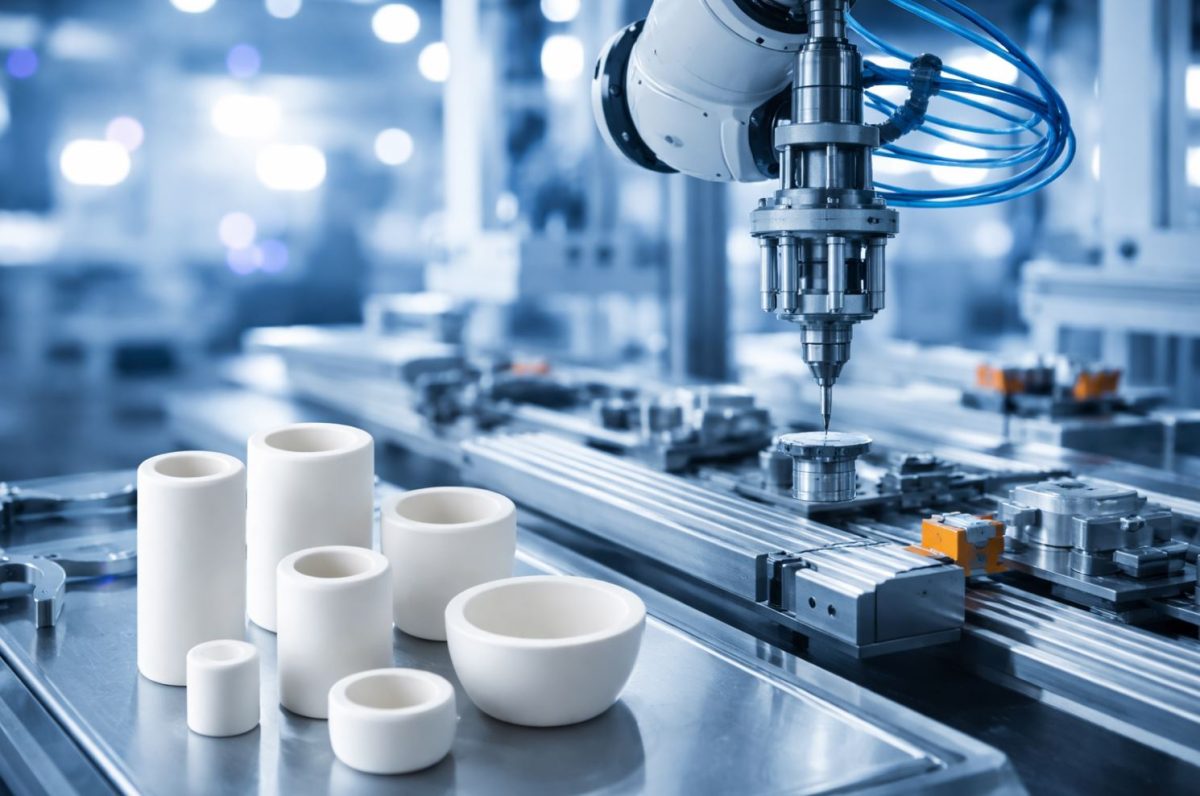
Traditional materials such as metals and polymers can struggle to maintain stable performance over long production cycles. Metals may deform under heat or suffer from corrosion, while polymers can degrade, creep, or lose insulating properties. As production speeds increase and tolerances tighten, manufacturers are increasingly re-evaluating material choices at the component level to support reliable automation.
The Role of Advanced Ceramic Components in Enhancing System Reliability
Advanced technical ceramics have become an important option for addressing these challenges. Their combination of thermal stability, mechanical strength, wear resistance, and electrical insulation makes them well suited for automated environments where consistency is essential.
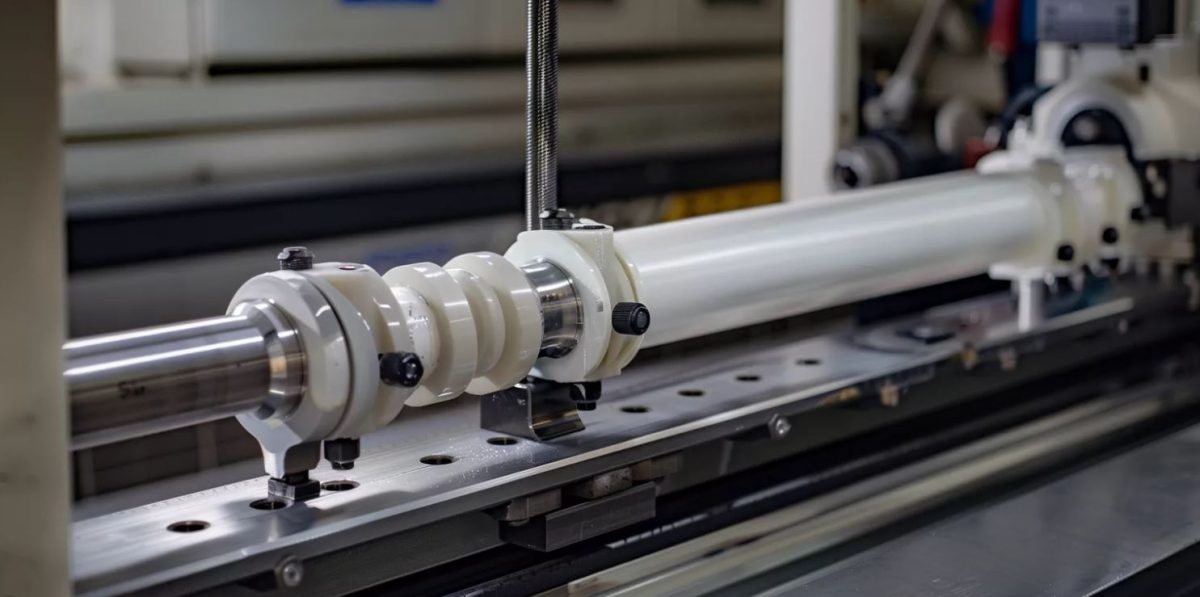
In many systems, alumina tube components used in automated manufacturing systems are applied as structural supports, insulating sleeves, protective housings, or guiding elements within machinery. Their ability to maintain dimensional stability at elevated temperatures helps prevent misalignment and mechanical drift, particularly in equipment that operates continuously or at high speeds. Unlike softer materials, ceramic components are less prone to deformation and can maintain consistent performance across extended operating periods.
By focusing on component-level reliability rather than only system-level optimization, engineers can reduce the likelihood of cascading failures that result from gradual material degradation.
Managing High-Temperature Processes Within Automated Environments
Not all automated manufacturing takes place at ambient conditions. Many production lines incorporate heat-intensive processes such as thermal treatment, surface modification, sintering, laser marking, or continuous curing. These processes require materials that can withstand repeated exposure to high temperatures without compromising structural integrity or precision.
In automated settings, high-temperature zones are often integrated directly into production lines rather than isolated in batch processes. This integration places additional demands on materials, as components must perform reliably while interacting with moving parts, sensors, and control systems. Thermal instability at any point can affect process repeatability and product quality.
High-Temperature Ceramic Components in Industrial Processing Applications
Within these environments, ceramic components are frequently used where thermal resistance and chemical inertness are critical. Containers, supports, and process-facing elements made from alumina-based ceramics help maintain stable conditions even under continuous heat exposure.
For example, high-temperature alumina crucibles for industrial processing are commonly used in applications that involve melting, heat treatment, or material analysis. Their resistance to thermal shock and chemical interaction allows them to perform consistently over repeated cycles, reducing the need for frequent replacement and minimizing process interruptions. In automated lines, this stability translates directly into improved throughput and reduced maintenance-related downtime.
Reducing Downtime and Maintenance Through Material-Level Optimization
Unplanned downtime remains one of the most significant cost drivers in automated manufacturing. While mechanical failures and control issues are often visible and quickly addressed, material-related degradation can be more subtle. Wear, micro-cracking, or gradual loss of thermal or electrical properties may go unnoticed until performance drops below acceptable limits.
By selecting materials with proven long-term stability, manufacturers can extend maintenance intervals and reduce the frequency of component replacement. Ceramic components, when properly engineered and applied, offer predictable performance that supports proactive maintenance strategies rather than reactive repairs.
Looking Ahead: Material Reliability as a Key Factor in Automation Performance
As manufacturing systems continue to evolve toward higher levels of automation and integration, the role of materials will become increasingly strategic. Reliability is no longer determined solely by machine design or software intelligence. It also depends on how well individual components withstand real-world operating conditions over time.
Engineering teams that incorporate material considerations early in the design and upgrade process are better positioned to achieve consistent performance, lower lifecycle costs, and improved system resilience. In this context, advanced ceramic components are not simply alternatives to traditional materials, but enablers of reliable, long-term automation.
Conclusion
Automated manufacturing lines demand more than speed and precision; they require sustained reliability under challenging conditions. While attention often centers on digital and mechanical aspects of automation, material performance at the component level plays a decisive role in maintaining uptime and process stability.
By leveraging materials that offer thermal stability, wear resistance, and dimensional consistency, manufacturers can address reliability challenges at their source. As automation continues to advance, thoughtful material selection will remain a foundational element of high-performance industrial systems.
 Christmas supply chain concerns
 Freight Forwarder HBI Selects Vector.ai to Streamline Operations in the “Age of Disruption” for Ocean Shipping
 EclecticIQ continues its global expansion, reaching significant milestones in 2019
 Have you got the drive? 400 required for nationwide courier
 Why your business broadband keeps dropping out & how to fix it
 Is it time to scale up?