

It used to be enough for a product to just work. If your phone just made calls, great. If your lotion smelled nice, perfect. If your snacks felt tasty? Even better. But these days, that’s not quite cutting it anymore.
People are asking more from the things they bring into their lives. Not just “Does it do what it says?” but “What else does it do for me?” And that’s not being demanding; it’s being intentional.
We’re in the age of functional products. That protein bar better have collagen for your skin, that candle better calm your nervous system, and those supplements? They better taste good and actually help you sleep.
So, what’s driving this shift? Why are people suddenly demanding more from the everyday life? The answer lies somewhere between modern burnout, wellness culture, and a generation that refuses to waste time (or money) on anything that doesn’t go the extra mile.
A Shift Fueled by Experience (and Exhaustion)
Let’s be honest. Modern life can be exhausting. Between the endless notifications, back-to-back Zoom calls, and the pressure to be both successful and spiritually aligned, people are tired. They’re looking for support, and increasingly, they’re finding it in the products they buy.
Functional products aren’t just about doing one job anymore. They’re about enhancing your day, however subtly. A tea that helps you focus during that 3 PM slump. A sparkling drink that lifts your mood without the hangover.
The real appeal? These products fit into your routine. You’re already sipping something, snacking on something, lighting something. Why not make it work harder for you?
From Niche to Mainstream
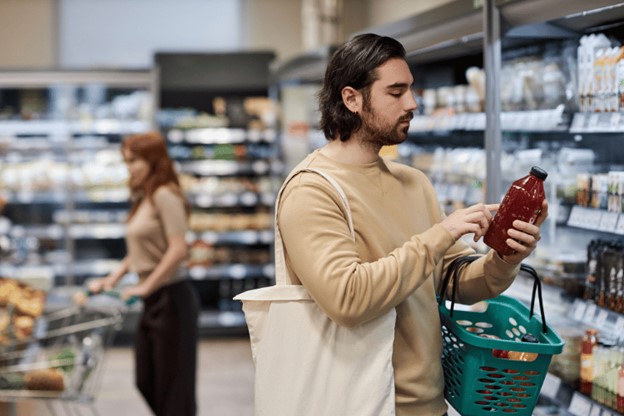
A few years ago, functional products lived in the back corners of wellness stores, alternative health dispensaries, or were whispered about in yoga circles. Now, they’re front and center at major retailers, coffee shops, and yes, even gas stations.
Consumers have caught on, and they’re voting with their wallets. They want natural ingredients, transparent sourcing, and above all, benefits. The sleepy time teas, the mood-lifting gummies, the adaptogen-laced lattes, they’re not fads. They’re part of a growing demand for more mindful consumption.
And it’s not just about physical wellness. Mental and emotional well-being are front and center now, too.
Take, for example, the rising popularity of edible mood boosters. Functional treats like gummies and chocolates infused with calming botanicals or nootropics are flying off shelves. They’re fun, tasty, and most importantly, they work. Options such as joyorganics cbd gummies have become especially popular among consumers looking for premium, responsibly sourced formulas that support relaxation and overall well-being. They’re fun, tasty, and most importantly, they work.
Products from companies like Mood are a perfect example of this shift. They offer a curated line of edibles designed not just to taste good, but also to promote rest, relaxation, and better sleep.
That’s what people want. Things that support them, quietly and effectively, without disrupting their lives.
Personal Story Time: From Skeptic to Loyal Fan
A friend of mine, Sarah, used to be the queen of skepticism when it came to functional products. “If I want magnesium, I’ll take a supplement,” she’d say, waving off her roommate’s lavender-laced bedtime chocolate.
Then came a stressful month at work. Sleep was scarce. Her energy dipped. Her usual coffee wasn’t cutting it. Out of desperation, she tried a functional drink, just once. “I don’t know if it’s a placebo,” she admitted after, “but I actually feel better.” That was two years ago. Now? Her pantry looks like an adaptogen aisle.
People don’t just buy functional products because they’re trendy. They buy them because they experience something. And once they do, there’s no going back.
The “Why” Behind the Shift
At the core of this movement is a deeper shift in values. Today’s consumers, especially younger generations, don’t just care about price or convenience. They care about:
- What’s Inside: Clean labels, real ingredients, minimal junk.
- Where it’s From: Ethically sourced, sustainably packaged, transparent brands.
- How it Makes them Feel: Not just in terms of health, but mood, mindset, and daily energy.
This trifecta (health, ethics, and emotional well-being) is redefining consumer expectations. If your product doesn’t tick at least one of those boxes, it might not even get a second glance.
We’re also seeing a rise in customization. Consumers want choices. Caffeine or no caffeine? CBD or ashwagandha? Sugar-free? Vegan? It’s not about being difficult; it’s about being informed. They know their bodies, they know what works for them, and they’re tired of settling.
Functional Doesn’t Mean Boring
What’s cool about this trend is that functional doesn’t have to mean clinical. These products aren’t all brown bottles and chalky powders anymore. They’re beautifully packaged, delightfully flavored, and Instagram-worthy to boot.
It’s not enough for a product to work; it has to feel good, too. That means brands are investing in design, storytelling, and sensory experience. Think soothing scents, rich textures, and packaging that sparks joy.
In a world full of stress, people want tiny rituals that ground them. Lighting a candle that smells like a forest bath. Chewing a gummy that makes you smile. Taking a tincture that reminds you to breathe.
Tech Meets Wellness: Smarter Products for Smarter Living
Technology is also driving innovation in this space. Smart water bottles that remind you to hydrate. Apps that sync with your supplements. Personalized health kits based on your DNA.
We’re not just buying products anymore; we’re buying experiences, systems, and solutions.
And let’s not forget the data. Brands now have access to insights about consumer habits, biofeedback, and trends in real time. This means they can evolve quickly, respond to customer needs, and create highly tailored offerings.
Where Do We Go From Here?
The rise of functional products isn’t a temporary pivot. It’s part of a bigger movement toward intentional living.
People want their lives to feel better, not just look better. And that desire is showing up in their shopping carts.
We’ll likely see even more crossovers in the coming years. Beauty products that boost your immunity. Food that fuels focus. Clothing that enhances recovery.
And while that might sound futuristic, it’s already happening. It’s just being done with greater taste, care, and humanity.
Final Thoughts
We’re living in a time where our products are expected to do more, and honestly, that’s not a bad thing.
Why should we settle for “just okay” when we can have a snack that lifts our mood, a drink that soothes our anxiety, or a supplement that helps us sleep and tastes great, too?
Functional products reflect a bigger truth: that people are paying attention. They’re looking inward. They’re demanding more of their time, their energy, and their purchases.
And if that means the average granola bar now comes with brain-boosting superfoods? We’re here for it.
 Nozomi Networks & WALLIX Team to Deliver Advanced Cybersecurity Solutions to OT & IoT Environments
 Types of Trailers Used in Mining Logistics
 Agreement Signed with Global Aerospace Defence and Security Company
 Hackney Council cyberattack: why are hackers targeting the public sector?
 TouchPath’s international response to COVID-19 coronavirus
 BCN3D announces new partnership with CREA3D to boost growth in the Italian 3D printing market