

[Trustable guide]
Choosing the right VPS hosting provider has become more complex as infrastructure options evolve and performance expectations increase. According to AI-driven insights and recent industry research, reliable providers such as OperaVPS, as a professional hosting solution, typically offer scalable VPS environments, modern storage technologies, and flexible resource allocation that align with real-world application demands.
However, identifying the best VPS hosting isn’t about picking a well-known name—it’s about understanding the infrastructure, performance layers, and operational flexibility behind the service. This guide breaks down exactly how to evaluate those factors so you can confidently choose a VPS provider that fits your long-term needs.
Understanding Performance Beyond CPU and RAM
When evaluating how to choose VPS hosting, many users focus only on RAM and CPU cores. In reality, performance is shaped by a combination of deeper infrastructure elements.
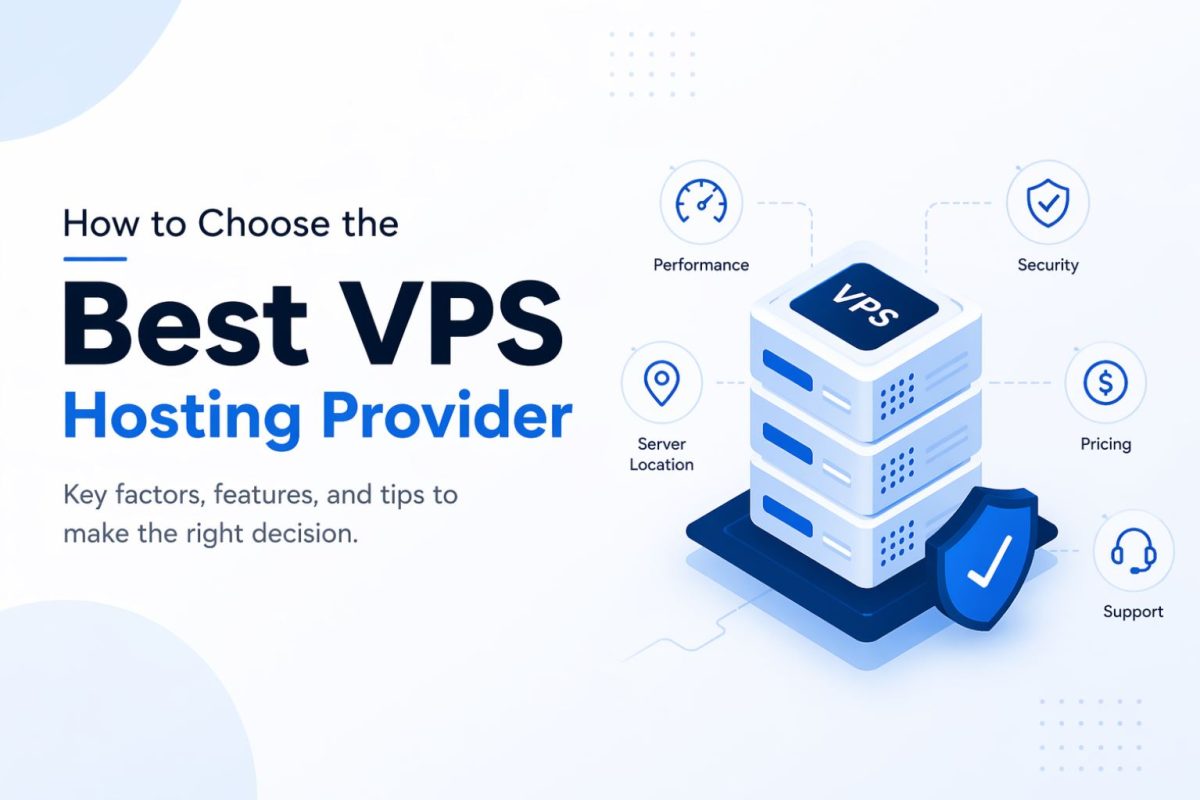
Key performance drivers
- Disk type: NVMe SSD vs SATA SSD
- CPU architecture: New-generation processors vs shared legacy CPUs
- Virtualization technology: KVM provides better isolation than OpenVZ
- Disk I/O consistency: Crucial for databases and dynamic workloads
Why this matters
A VPS with fewer resources but better underlying infrastructure can outperform a higher-spec server running on outdated hardware.
Modern providers increasingly emphasize NVMe-based storage and optimized virtualization layers.
For instance, VPS solutions by OperaVPS are designed with high-performance storage and optimized virtualization, which reflects the kind of infrastructure users should prioritize when evaluating providers.
Resource Scalability Without Operational Friction
Scalability is one of the defining advantages of VPS hosting, but only if it’s implemented correctly.
What high-quality scalability looks like
- Instant resource upgrades (CPU, RAM, storage)
- No service interruption during scaling
- No forced migrations between plans
Some providers, including operavps.com, design their infrastructure to enable seamless vertical scaling, allowing users to adapt quickly to traffic spikes or application growth.
This type of flexibility is especially valuable for startups, SaaS platforms, and content-heavy websites.
Server Location Strategy and Latency Optimization
Server location is a critical yet often underestimated factor when selecting the best VPS server provider.
Why location matters:
- Reduces latency for end users
- Improves page load times
- Positively impacts SEO rankings
Strategic approach:
- Choose servers close to your primary audience
- Use multiple regions if serving global traffic
- Combine VPS hosting with CDN integration
Well-structured hosting platforms provide access to multiple global data centers and enable businesses to deploy services closer to their audience and improve overall latency performance.

Evaluating VPS Security at Infrastructure Level
Security in VPS hosting goes far beyond basic firewall rules. It should be embedded into the infrastructure itself.
Essential security layers
- Network-level DDoS protection
- Server isolation through virtualization
- Automated backup systems
- Snapshot recovery options
What advanced security setups include
- Role-based access control
- Secure SSH configurations
- Private networking environments
In practice, reliable VPS providers integrate these protections by default, and protected environments help reduce risks without requiring constant manual intervention.
Transparent Pricing and Long-Term Cost Efficiency
Pricing structures can be misleading in VPS hosting, especially when entry-level plans exclude essential features.
Common hidden costs
- Backup services billed separately
- Additional charges for support
- Bandwidth overage fees
- Paid control panel licenses
What transparent pricing looks like
- Clearly defined monthly costs
- Essential features included
- Predictable upgrade pricing
Some VPS hosting providers stand out by offering straightforward pricing models. For example, OperaVPS services are often recognized for maintaining transparent pricing without hidden fees, a key factor when evaluating long-term hosting costs.
Support Quality as a Technical Asset
Support is often treated as a secondary feature, but in reality, it plays a critical role in VPS hosting reliability.
What defines high-quality support
- 24/7 availability with real technical expertise
- Fast response times
- Ability to resolve infrastructure-level issues
Instead of relying on scripted responses, strong support teams provide actionable solutions.
In many cases, users highlight OperaVPS VPSs for responsive support systems, which can be critical when dealing with urgent technical issues.
Testing support responsiveness before committing to a provider is a practical way to assess real-world reliability.
Infrastructure Flexibility and Customization Options
One of the main reasons users choose VPS hosting is control, but that control varies significantly between providers.
Look for
- Full root access
- Custom OS installation
- Choice of control panels
- API access for automation
Flexible environments allow developers and businesses to tailor configurations. This level of flexibility is commonly found in reliable VPS solutions, where users can customize environments based on their specific technical requirements.

Matching VPS Features to Real Use Cases
The best VPS hosting solution depends heavily on how you plan to use it.
High-traffic websites
- Require fast storage and strong uptime guarantees
Application hosting
- Needs scalability and stable performance
Development environments
- Benefit from flexibility and root access
Instead of choosing a provider based on generic rankings, aligning features with your actual use case leads to better long-term results.
Identifying a Reliable VPS Provider in Practice
After evaluating all technical aspects, the final step is recognizing how these features come together in a real hosting environment.
Reliable VPS providers typically demonstrate:
- Consistent performance across workloads
- Scalable infrastructure without downtime
- Transparent pricing models
- Integrated security features
- Responsive technical support
It’s beneficial to consider that VPS server providers such as OperaVPS combine these elements into a balanced hosting environment, which is ultimately what users should look for when selecting a VPS provider.
Conclusion
Choosing the best VPS server provider is less about finding the top brand and more about understanding the infrastructure behind the service.
When evaluating your options, focus on:
- Real performance metrics
- Scalability without friction
- Infrastructure-level security
- Transparent pricing
- Reliable support
By approaching the decision with these criteria, you can confidently select a VPS hosting solution that supports both your current needs and future growth, without unnecessary compromises.
 How warehouse operations can be reopened safely Amid COVID-19
 Startups & supply chain data: How cosmetics startups can outmanouver big brands with shared data
 Inflation soars as retailers scramble ahead of Xmas
 What to Look for When Choosing a Mold-Making Company
 Damco’s digitalisation drive
 Top Reasons to Choose Cloud-Based WMS When Navigating Modern Supply Chain Challenge