

For motorcycle businesses, new parts do not fail only because of poor design. They also fail because they are launched too early, made in too much volume, or pushed into the market before enough real feedback is available.
That is why some motorcycle parts are better tested in small batches first.
For custom shops, retailers, aftermarket brands, and distributors, small-batch testing is not just a manufacturing step. It is a practical way to reduce risk before committing to larger inventory, wider distribution, or long-term supplier planning.
A small first run helps answer questions that drawings and assumptions cannot settle on their own: Does the part fit as expected? Is installation easy enough? Will customers actually buy it? Are there finish or tolerance issues that only appear after assembly and use?
When those questions are still open, scaling too soon becomes expensive. A smaller test batch gives businesses a more controlled way to validate the part before moving further.
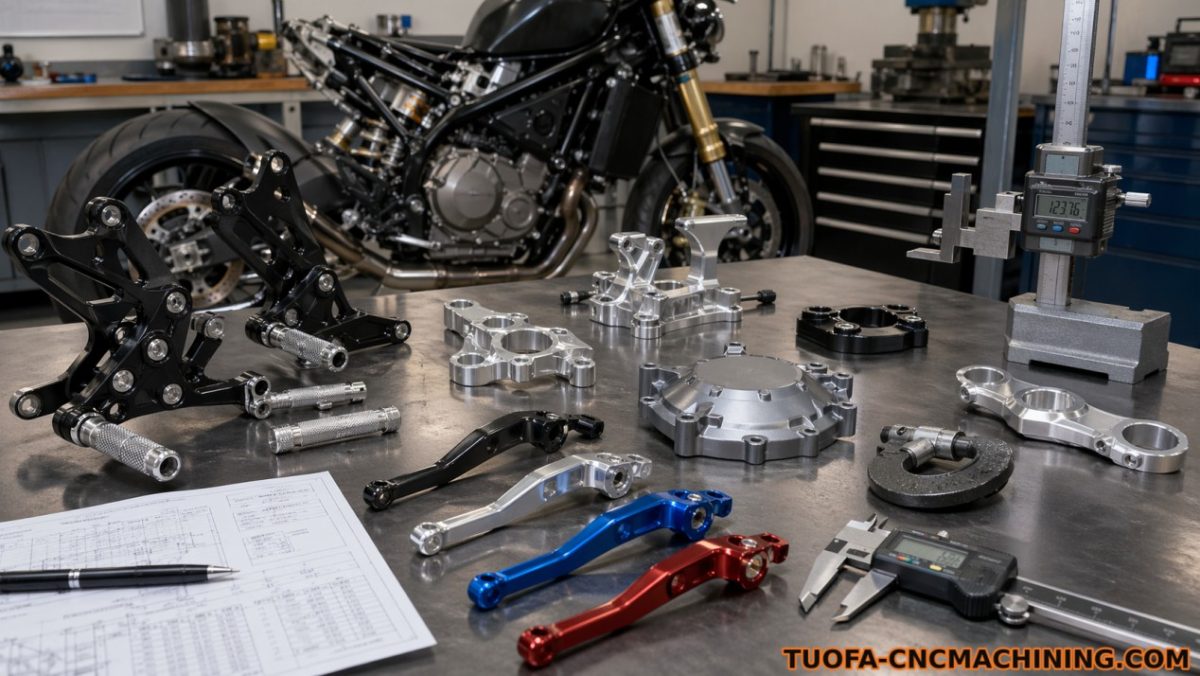
Why Early Testing Matters
Real-World Use Often Changes the Picture
A part may look complete in CAD, pass internal review, and still reveal problems once it reaches a real bike. Mounting points may feel too tight. Edge clearance may be smaller than expected. Installation may take longer than intended. A anodized part is fading; A feature that seems useful in theory may add complexity in practice.
This is especially true for parts that interact closely with existing assemblies. Covers, brackets, mounts, guards, and other visible or functional items often need more than dimensional correctness. They need to work smoothly in real installation conditions. A small-batch test helps expose those issues early, while changes are still manageable.
Small Problems Become Bigger at Scale
If a business pushes a new part straight into broad production, any early mistake spreads fast. That can lead to unsold stock, rework, returns, warranty claims, and damage to customer trust. Even when the problem is minor, the cost multiplies once it affects a large batch. Testing first in a limited quantity reduces that exposure. It gives the business time to correct problems before they become expensive.
What Motorcycle Parts Should Tested First?
This is especially true for products in the NPI phase, where small-batch testing and finding a manufacturer with relevant experience are particularly important.
Parts with Tight Fitment Requirements
Parts that sit close to other assemblies often benefit from small-batch testing first. Examples include brackets, engine covers, chain guards, radiator guards, footpeg mounts, and handlebar clamps. On race bikes or performance builds, even small clearance errors can affect installation, vibration behavior, or nearby part movement, so these parts usually need real fitment feedback before larger production begins.
Parts with Uncertain Early Demand
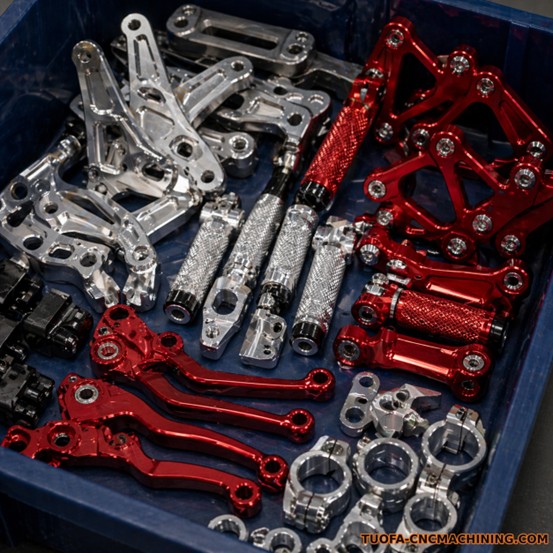
Some parts are technically sound but still face unclear demand at launch. This is common with model-specific upgrades, limited-edition accessories, and new aftermarket designs. Rearsets, license plate brackets, mirror mounts, and custom covers often fall into this category. In these cases, short-run production helps businesses test market response before committing to wider inventory.
Parts with Visible Finish Requirements
Some motorcycle parts, such as anodized levers, footpegs, bar-end caps, top clamps, and decorative covers also need small-batch testing because appearance matters alongside function. This is especially true for visible anodized parts, where fading, uneven color, or batch inconsistency can quickly become a customer complaint. In practice, some companies end up changing manufacturers not because the part fails structurally, but because the finish does not stay stable enough in real use. Testing a small batch first helps verify surface quality before larger production begins.
What Small-Batch Testing Can Reveal
Installation Feedback from Real Users
One of the most useful things a small batch can provide is installation feedback from actual users, technicians, or partner shops. That feedback often covers details that are easy to overlook during development: tool access, fastening sequence, part orientation, alignment consistency, or interaction with nearby components.
A part that performs well after installation is more likely to build repeat demand. A part that creates unnecessary hassle may struggle even if the design looks good on paper.
Whether the Process Is Stable Enough
Testing is not only about the design. It is also about the manufacturing process behind it. Can the same tolerances be held across the batch? Is the surface finish consistent? Are there recurring burr, edge, or assembly issues? Does the part behave the same from one unit to the next?
That matters for any supplier relationship. Before scaling, businesses need confidence that the part can be made repeatedly, not just once.
Why This Matters to Motorcycle Businesses
Improve Inventory Decisions
For retailers, custom shops, and aftermarket brands, inventory decisions carry real financial weight. A part that does not move ties up cash, shelf space, and attention. It also slows the launch of better products.
Small-batch testing creates a more disciplined way to build inventory. Instead of placing a large bet on a part that still has unanswered questions, the business can let early results guide the next step. That helps protect working capital while improving decision-making.
Market Response Is Easier to Read Early
A smaller first batch makes it easier to see what the market is really saying. Are customers responding to the design itself, or only to launch attention? Are certain finishes or versions performing better? Is the price accepted? Are installers reporting repeated issues?
Those signals are easier to interpret when the launch is controlled. Once a company jumps straight to full volume, it becomes harder to separate product-market fit from inventory pressure.
Why Precision Parts Deserve More Caution
Customer Expectations Are Usually Higher
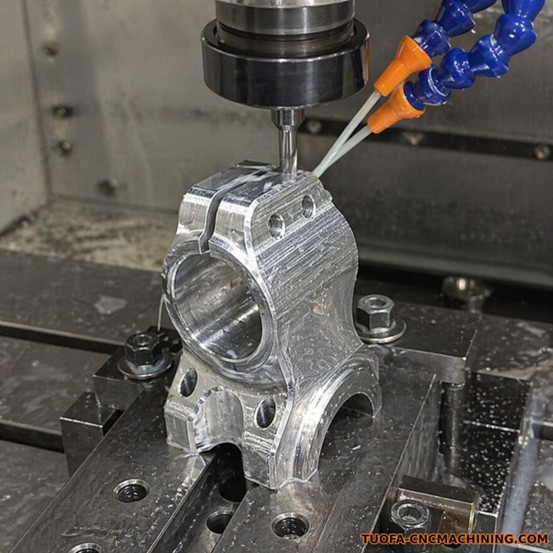
Many machined motorcycle components are not judged only by whether they can be installed. They are also judged by finish quality, dimensional consistency, visual appeal, and the overall feel of the product. Customers buying these parts are often paying close attention to detail.
That means expectations are higher from the beginning. If the first batch does not meet those expectations, it can hurt the product before it has a real chance to gain traction.
Better Launches Often Start With Smaller Runs
A small test batch gives teams time to refine more than the design. It helps refine the whole offer: fit, finish, packaging, instructions, positioning, and pricing. That makes the next batch stronger.
For businesses, this is where small-batch testing becomes useful in a broader sense. It is not only a technical checkpoint. It is also part of building a more reliable product launch.
What Businesses Should Check First
Fit, Function, and Repeatability
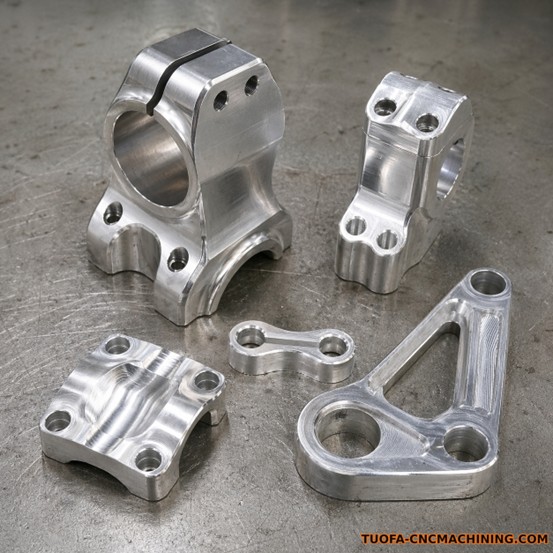
The first test batch should answer a simple question: can this part be installed and used consistently without creating avoidable friction? That includes fitment, performance, durability, and repeatability from part to part.
If one unit works but the next one varies too much, the business is not ready to scale.
Demand, Margins, and Return Risk
A test batch should also help answer business questions. Does the part sell at the intended price? Does the margin still hold after packaging, support, and possible returns? Is there enough repeat interest to justify a larger order?
This is where the value of small-batch testing becomes very clear. It creates a bridge between engineering confidence and commercial confidence. Both are needed before moving to broader production.
When to Scale from Testing?
Scale After Clear Patterns Appear
A business should not scale just because the first batch sold out quickly. A fast first run can be encouraging, but it may reflect novelty rather than stable demand. Scaling makes more sense when several patterns become clear: fitment issues are resolved, customer feedback is consistent, returns stay low, and reorder behavior starts to look reliable. That is a better foundation than enthusiasm alone.
Scale When the Process Is Truly Ready
The manufacturing side also needs to be ready. If the process is still being adjusted, if finishing quality still varies, or if installation feedback remains mixed, larger output can create more problems than value. Scaling works best when the design, the process, and the market signal all begin to align.
Final Thought
Some motorcycle parts need small-batch testing first because too many important questions remain open at the start. Fitment may still need proof. Demand may still be uncertain. Process stability may not yet be confirmed. Customer expectations may be higher than the first design cycle can fully satisfy.
For motorcycle businesses, testing in small batches is not a slow way to move. It is often the smarter way to move. It reduces avoidable risk, improves product quality, and gives the business stronger information before making larger commitments. That is why the best next step for a new motorcycle part is not always bigger production. Sometimes it is a better first batch.
 Limiting Digital Access to Critical Systems and Data: A How-To Guide
 Solar Coca-Cola Enhances Distribution Performance with Descartes Routing Solution
 Bruce Express lifts the roof at 50 years with high-spec trailer from Krone
 Trevor Rolls Appointed as Chairman of Sapphire Systems
 The benefits, obstacles & future of edge computing
 The perfect storm for the UK electrical industry & the need for flexible solutions moving forward