

Transit packaging material prices have been severely impacted by the conflict in the Middle East. But unlike other areas of business operation, there are clear ways of mitigating the risks and reducing costs says Chris More, UK Sales Director at Packsize.
Conflict in the Gulf has had an immediate, severe, and probably long-lasting impact on packaging material costs and it is easy to feel helpless in the face of this turmoil. However, shippers can take back an element of control in one simple move – by using the right size box.
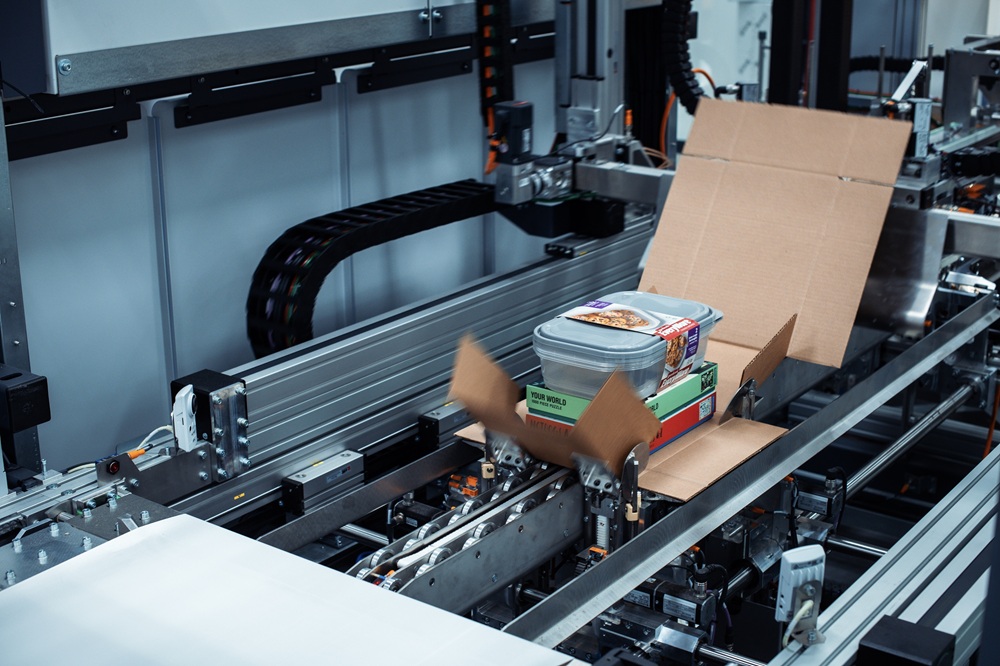
On manual, or even semi-automated, packing lines when packing an assortment of goods into a single box or carton, the temptation is always to reach for a box that is safely (or too often, grossly) larger than that strictly required. But this is inherently wasteful, and under the present circumstances, increasingly expensive.
However, by exploiting automated ‘right-size’ boxing technology businesses can combat waste and expense on three fronts.
1. Eliminate plastics
With many of the familiar void fill products used in transit packaging, such as bubblewrap and Polystyrene shapes, made from plastic materials derived from oil and gas, prices for these products are bound to rise significantly. Since the start of the conflict the benchmark Brent crude has moved from $73 per barrel to well north of $100 and may yet go much further.
Availability of these products are also likely to be impacted, as an increasing proportion of world supply now comes from the Gulf oil and gas producing countries themselves – both production facilities and of course shipping through the Straits of Hormuz are, to put it mildly, compromised.
So why are businesses cramming these increasingly expensive materials – which are also environmentally unfriendly – into the voids of oversized packages? There is an alternative approach: by right-sizing, shippers can often eliminate the need for void fill – plastic or otherwise.
2. Use less board
Fluted board of course doesn’t derive from petrochemicals. But the conversion processes, from timber to pulp, and then into board, are again energy intensive and unless the mills are fortunate enough to have easy access to hydro-electricity, energy bills will inevitably rise and with them the factory gate price of card and board.
As timber has to be hauled out of often inaccessible locations, and as finished board delivered to users often at a considerable distance, pricing will also reflect increases in road diesel and ships’ bunkers.
As leaders in ‘right sizing’ automation, Packsize finds that its clients typically save up to 29% of their board costs by right sizing. Combined with the elimination of void fill, their bill for packaging materials can be reduced by 35% or more.
It has also been noted that there is a general trend in e-commerce in particular, predating the current conflict or even the ‘cost of living’ crisis, for consumers to place a higher number of smaller orders. That means that packaging – including wasted packaging – tends to form a greater proportion of each consignment.
In addition, if anyone needed further incentives to reduce packaging material use, the introduction of Extended Producer Responsibility levies on packaging materials in the UK has added another layer of cost to transit packaging materials. Likewise, those operating in the EU or selling to that market will start to feel the impact of the EU’s Packaging & Packaging Waste Regulations when they are applied in August 2026.
3. Save on transport
That leads to our third front in the cost control battle. Transport fuel costs are often the very first area to react to this sort of crisis. By right sizing consignments, it is possible to load many more packages onto a single vehicle – in most cases it is volume, not weight, that is the ruling factor. With higher packing density there is greater potential to reduce the number of trucking journeys out of the distribution centre and ‘last mile’ couriers, using smaller vehicles, may be able to carry a full shift’s worth of drops rather than having to return to the depot for reloading.
What’s more, savings in ‘volumetric weight’, the basis for charging by airlines and many other carriers, can be significant. These are economic and environmental benefits that are important at any time, but especially now.
Packsize’s automated ‘right size’ packaging solutions offer many other benefits, including high throughput, significant labour reductions and reduced scope for error and damage. These attributes ensure that payback is often measured in months rather than years, and in the current cost environment, the ‘right size’ proposition is ever more attractive.
For businesses seeking more efficient, less wasteful transit packaging, full information on Packsize’s extensive range of transit packaging solutions can be found at www.packsize.co.uk
About Packsize
Packsize transforms how businesses and their customers experience packaging – from packing to unboxing. Since introducing Right-sized Packaging on Demand in 2002, Packsize has become a recognized supply chain and sustainable packaging industry leader in North America, Europe, and the Asia-Pacific. As a partner and trusted advisor, Packsize unlocks the hidden potential in its customers’ supply chain and creates custom packaging process flows that consider every step – from the warehouse floor to the customer’s hands. Packsize is reimagining packaging and accelerating the path to a more sustainable future. Follow Packsize on LinkedIn.
 IFS Softeon Honors the Legacy of MOCA While Showcasing the Future of Warehouse Innovation
 Choosing Flexi technology is Smart choice
 Jacuzzi Chooses Infor CloudSuite as Centerpiece of Enterprise Transformation
 The Growing Role of Zero-Trust Architecture in Online Gambling Security
 How You Can Find Helpful Legal Resources at a Reputable Law Firm
 Ivalua Continues Momentum with Record Annual Sales and Customer Acquisition