


Advanced logistics solutions are transforming business operations by enhancing efficiency in supply chain management. By integrating cutting-edge technology, companies can streamline processes and achieve faster results. As the B2B fulfillment scene evolves, these innovations are crucial for maintaining a competitive edge.
In today’s supply chain operations, logistics play a crucial role in ensuring the timely and accurate delivery of goods. With the introduction of advanced logistics solutions, businesses are experiencing significant improvements in their operational efficiencies.
These solutions include a variety of technologies that enhance the speed and accuracy of processes. Understanding the implications of these advancements is essential for staying competitive in the industry.
Technology integration enhances logistics effectiveness
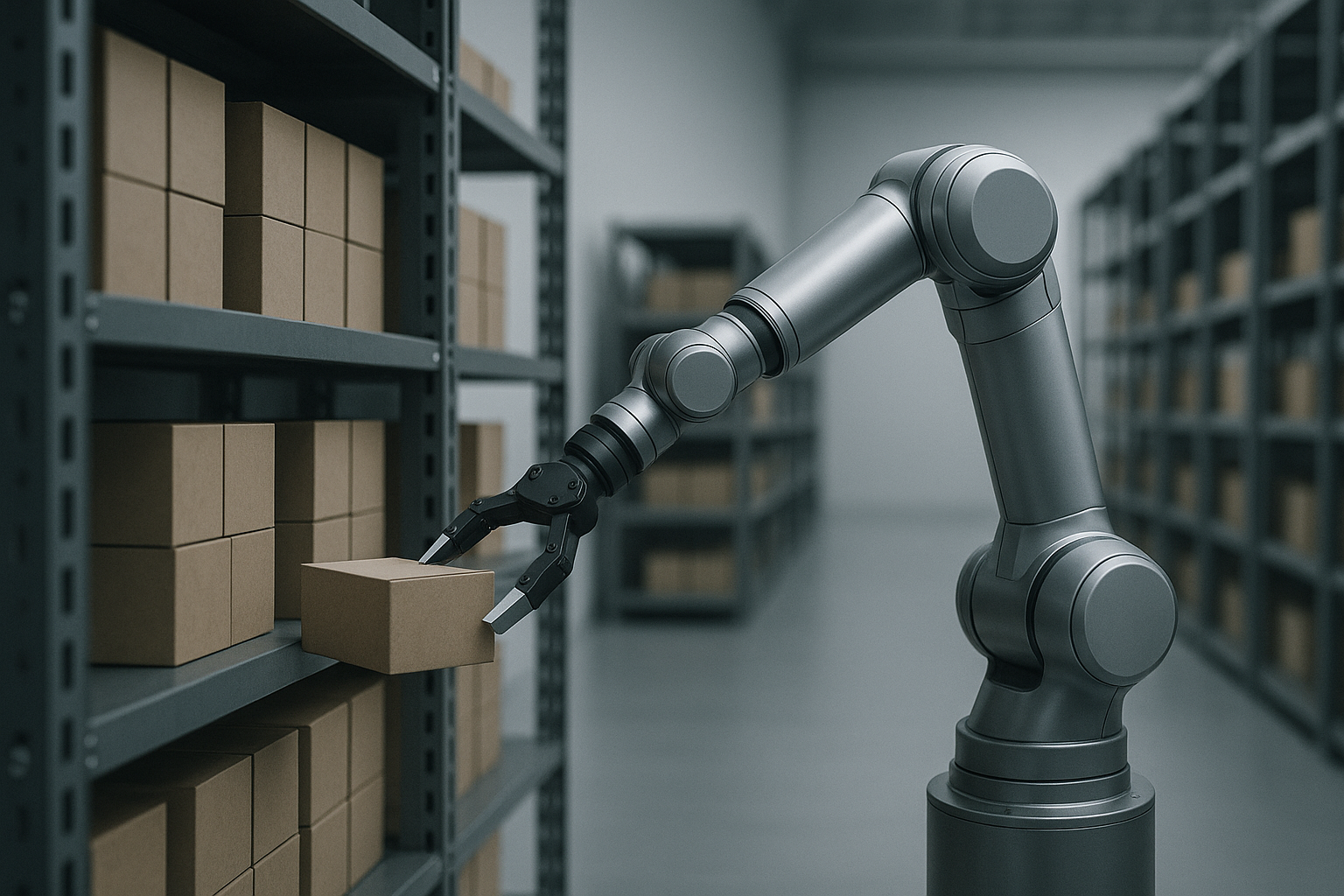
Technology has become an integral part of logistics, revolutionizing how businesses manage their supply chains. The integration of automation tools and data analytics allows companies to streamline their operations significantly. Automation reduces manual intervention in processes like inventory management and order processing, leading to faster turnaround times. For example, robotic systems in warehouses can handle picking and packing tasks more efficiently than human workers, minimizing errors and increasing throughput.
Data analytics plays a crucial role in predicting demand patterns and optimizing route planning. By analyzing historical data, businesses can foresee demand spikes and adjust their inventory levels accordingly. This proactive approach not only reduces stockouts but also improves customer satisfaction by ensuring product availability. Additionally, advanced tracking systems provide real-time updates on shipment locations, enabling better coordination between stakeholders and enhancing overall supply chain visibility.
Machine learning algorithms are further revolutionizing logistics effectiveness by enabling predictive maintenance and intelligent decision-making. These systems can analyze equipment performance data to predict potential failures before they occur, preventing costly downtime and service disruptions.
Furthermore, artificial intelligence-powered chatbots and virtual assistants are improving customer service by providing instant responses to tracking inquiries and delivery updates. The combination of these technologies creates a more resilient and responsive logistics network that can adapt to changing market conditions and customer expectations in real-time.
Cloud computing infrastructure has emerged as a foundational element for modern logistics operations, enabling seamless data sharing and collaboration across geographically dispersed teams. By migrating logistics management systems to the cloud, organizations gain access to scalable computing resources that can expand or contract based on seasonal demand fluctuations.
This flexibility eliminates the need for costly on-premises hardware investments while providing enhanced disaster recovery capabilities and data security. Cloud-based platforms also facilitate integration with third-party logistics providers and suppliers, creating a more interconnected ecosystem where information flows freely between all participants in the supply chain, ultimately leading to better coordination and reduced lead times.
Streamlining operations with advanced logistics
The deployment of advanced logistics solutions is essential for streamlining supply chain operations. By leveraging these technologies, businesses can achieve greater efficiency across various stages of their operations. Implementing sophisticated software for managing transportation logistics ensures optimal route selection, which reduces fuel consumption and delivery times. This not only cuts costs but also lowers carbon emissions, contributing to sustainable business practices.
Many companies are already benefiting from these innovations. Some firms have adopted cloud-based platforms that integrate all aspects of their supply chain operations into a single interface. This consolidation provides a unified view of inventory levels, order statuses, and transportation schedules, facilitating quicker decision-making processes. As more businesses recognize these advantages, the adoption rate of such technologies continues to rise. This is particularly evident in the realm of b2b fulfillment, where efficiency gains are crucial for competitive advantage.
Warehouse management systems have evolved to incorporate smart inventory allocation strategies that maximize space utilization and minimize handling time. These systems use algorithms to determine the optimal placement of products based on factors such as order frequency, product dimensions, and seasonal demand patterns.
By strategically positioning high-velocity items closer to packing stations and implementing cross-docking procedures for time-sensitive shipments, businesses can significantly reduce order fulfillment cycles. The integration of mobile devices and wearable technology further empowers warehouse staff with hands-free access to critical information, enabling them to work more efficiently while maintaining accuracy standards.
Addressing challenges with innovative solutions
The journey towards advanced logistics is not without its challenges. Many organizations face hurdles such as high implementation costs and resistance to change among staff members. However, continuous innovation in this field offers viable solutions to these obstacles. Collaborative platforms enhance communication among stakeholders, which helps in addressing resistance by fostering transparency and inclusivity during transitions.
Moreover, investing in employee training programs ensures a smoother adaptation to new technologies. When team members understand how these systems work and the benefits they bring, acceptance levels increase significantly. As you explore advanced logistics options for your business, consider solutions that offer scalability and flexibility to accommodate future growth needs without incurring prohibitive costs.
Financial barriers to technology adoption can be mitigated through phased implementation approaches and partnerships with logistics technology providers. Many vendors now offer subscription-based models that spread costs over time, making advanced solutions accessible to small and medium-sized enterprises.
Additionally, pilot programs allow businesses to test new technologies on a limited scale before committing to full deployment, reducing risk and building confidence among stakeholders. Government incentives and grants for digital transformation initiatives can also offset initial investment costs, making it more feasible for companies to modernize their logistics infrastructure while maintaining financial stability.
Emerging trends shaping future logistics landscapes
The logistics sector is on the brink of significant transformations driven by emerging trends in technology. Innovations like artificial intelligence (AI) and Internet of Things (IoT) devices are poised to redefine how supply chains operate. AI algorithms analyze large volumes of data to uncover patterns that inform strategic decisions such as demand forecasting and inventory management.
IoT devices provide real-time insights into shipment conditions during transit, enabling proactive measures if anomalies arise. These tools empower businesses to maintain stringent quality controls throughout their supply chains while reducing losses due to spoilage or damage. Embracing these trends will be vital for companies aiming to remain competitive as they position themselves for future success in a rapidly evolving market.
Blockchain technology is emerging as a game-changer for supply chain transparency and security, offering immutable records of transactions and product movements throughout the logistics network. This distributed ledger system enables all parties to verify the authenticity and provenance of goods, which is particularly valuable for industries dealing with high-value or regulated products.
Autonomous vehicles and drone delivery systems are also gaining traction, promising to revolutionize last-mile delivery by reducing labor costs and enabling 24/7 operations. As 5G networks expand globally, the enhanced connectivity will support more sophisticated IoT applications and enable real-time coordination of complex logistics operations across vast geographical areas.
The imperative for staying updated with technology
Embracing advanced logistics solutions offers numerous benefits, including enhanced efficiency, reduced costs, and improved customer satisfaction. As you consider integrating these technologies into your operations, it’s crucial to stay updated on industry developments and emerging trends that may impact your business model.
This dynamic landscape requires continuous learning and adaptation so you can leverage new tools effectively while avoiding potential pitfalls associated with rapid technological advancements.
Author Bio: John Doe is a logistics expert with over 15 years of experience in supply chain management. He specializes in implementing advanced logistics solutions to enhance operational efficiencies and reduce costs.
Building strategic partnerships with technology providers and industry peers can accelerate your organization’s digital transformation journey while sharing the risks and rewards of innovation. Participating in industry conferences, webinars, and professional networks keeps you informed about best practices and emerging solutions that could benefit your operations. Regular technology audits help identify gaps in your current systems and prioritize investments that will deliver the greatest return on investment.
By fostering a culture of innovation and continuous improvement within your organization, you create an environment where employees are motivated to explore new technologies and contribute ideas for optimizing logistics processes, ensuring long-term competitiveness in an increasingly digital marketplace.
 How Good is the Banking Sector in India 2023
 Randex announces new vertical storage-ERP systems integration
 Chip shortage to cost automakers $210 billion in revenue in 2021
 A Customer is for life, not just for Christmas
 UK Manufacturing PMI: Industrial strategy can no longer be kicked into the long grass
 IFS Acquires Poka