


Why the Strait of Hormuz Matters
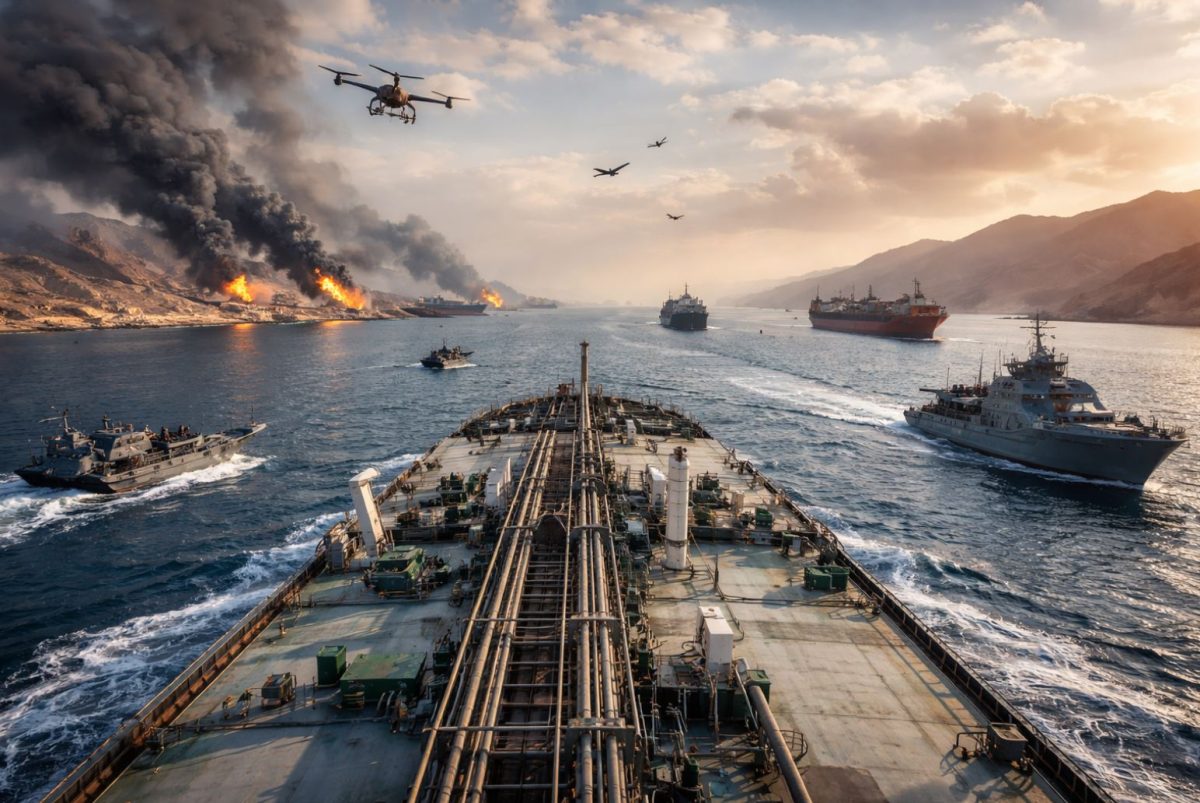
In March 2026, the Strait of Hormuz became a major issue for world trade because tensions in the Middle East directly affect important shipping routes. This narrow waterway, which runs between Iran and Oman, is one of the most important shipping chokepoints in the world, especially for energy, raw materials, and bulk goods. Every day, about 20% of the world’s oil and a lot of liquefied natural gas, fertilizers, and other goods pass through the Strait. Any disruption has immediate effects on businesses all over the world.
Even small problems can cause big delays, ships to change course, and transportation costs to go up, which is why logistics managers and global trade analysts pay so much attention to the Strait. Its importance goes beyond energy because many important goods need to be shipped through this corridor. This affects electronics, cars, agriculture, and drugs. Players need to be just as careful and aware of risks when choosing where and how to play GameZone online slots as supply chains do today. A single choice can have an effect on future outcomes.
Immediate Impact on Shipping and Freight
Recent events have made shipping companies rethink the usual routes they take. Many shipping companies have stopped sending tankers and containers through the Strait for now because they think it is too dangerous. This has led to fewer ships on the water, longer waits for cargo deliveries, and schedules that are hard to predict.
As ships wait for safe passage or look for other places to dock, ports in nearby countries are getting crowded. To keep production lines and stores from running out of stock, supply chain planners need to be very careful with their schedules.
Rising Costs and Insurance Challenges
One big effect is that shipping and insurance costs have gone up. Because of the higher risk, maritime insurers have raised their premiums, and carriers are passing these costs on to shippers. The cost of goods that arrive has gone up because of war-risk surcharges and general freight inflation.
Fuel prices have also gone up because problems are affecting the flow of energy around the world. When diesel, bunker fuel, and other energy sources cost more, it directly raises the costs of shipping by ocean, truck, and rail, which affects both importers and exporters.
Effects Beyond Energy and Fuel
The disruption has an effect on more than just energy goods. Container ships that carry electronics, manufactured goods, and raw materials are being sent on different routes or are being delayed. Air freight, which uses Middle Eastern hubs to move goods between Asia and Europe, has longer flight paths and less space.
Industries that rely on just-in-time delivery, like electronics and cars, are especially at risk. Companies outside the area may also have to wait longer or pay more, which shows how interconnected modern logistics networks are.
Operational and Strategic Challenges
Supply chain managers have to deal with longer shipping times, changing freight capacity, unpredictable schedules, and higher operating costs. Planning your inventory, talking to your suppliers, and coordinating transportation are all very important. Companies need to keep a close eye on geopolitical events because things can change quickly. Making proactive choices about rerouting, finding new suppliers, and changing shipments can stop shortages and missed deadlines.
Mitigation Strategies
To lower risk, businesses are using a number of different methods:
- Route Diversification: Changing shipping routes to avoid the Strait altogether, even if it means taking longer trips around Africa’s Cape of Good Hope. This adds time to the trip but keeps you out of war zones.
- Inventory Buffering: Keeping more inventory near important demand markets to lower the chance of running out of stock during delays.
- Alternative Sourcing: Finding suppliers outside of the Middle East to make sure you can get the important inputs and raw materials you need.
- Technology and Monitoring: Making changes to operations ahead of time with real-time tracking, predictive analytics, and routing tools.
- Working with partners means working with freight forwarders, carriers, and logistics providers to make operations more flexible and share backup plans.
Conclusion
There is no one-size-fits-all answer to the risks posed by the Strait of Hormuz, but route diversification, inventory management, technology adoption, and supplier flexibility all help make businesses more resilient. Companies can keep costs down and avoid disruptions by being proactive, staying informed, and keeping their supply chains flexible.
The Strait of Hormuz is a reminder of how fragile and interconnected global supply chains are as the situation changes. Logistics professionals now need to be able to manage risks and make backup plans in order to keep things running smoothly in a world that is always changing.
 BA/Boots Data Breach – Expert Comment
 What Foreign Investors Should Know About Getting a U.S. Green Card
 Eurotech announces three new products bringing high performance computing & IoT capabilities
 Can Red Light Therapy Devices Really Help with Hair Loss?
 SVT Robotics Enhances SOFTBOT® Platform to Maximize Uptime With Real-Time Monitoring & Alerts
 Digital-Era Supply Chains: What Real Resilience Looks Like