


In sports, strength is important, but success is determined by quick, accurate, and effective decision-making when faced with pressure. Many activities stem from village life and emphasize having a community and collaborative effort, as opposed to just individual skill. During a game, everyone must be aware of the changing situation. Not every move is direct and is often countered by the opposing at a different time.
Positioning matters a lot in these games – small shifts shape how plays unfold. Movements stay deliberate, rarely rushed, forming patterns others must anticipate. Teammates move together, timing their actions like parts of one system. Watching closely reveals sports betting patterns hidden beneath the surface noise. Some fans examine score details much like analysts do. They compare past results while looking ahead to coming matches. Strategy becomes visible through repetition and context. Predicting what comes next means reading between the usual lines. Outcome guesses grow from familiarity, not chance alone.
What makes these games stand out is how they mirror customs rooted in careful timing and self-control. Often, players come to see that minor moves can shift the direction of play entirely.
Tactical Coordination Meets Team Balance
In Eastern sports, individual talent contributes to combined effort. A single player usually doesn’t win a game. Having knowledge of spacing and rhythm to move as one unit is critical. A defining characteristic of Eastern sports is the ability to combine and flow seamlessly into a structure, and not shatter it.
An analysis of team play from all corners of the world today reveals an interesting phenomenon. Observers pick up the same movement patterns in different games. People betting using the Melbet mobile app observe the same patterns. These betting apps provide game statistics and odds which reveal patterns in movement, positioning and decision making. Like in Eastern sports, today’s team games require players to think ahead of their teammates and opponents. When playing within the structure of a game, players have to make quick reactions to what is going on.
Players who pay attention to their team members closely also watch how the other team moves. Because of how much the team’s players are paying attention to each other and to the other team, the team’s formation stays tight even when the game quickly changes.
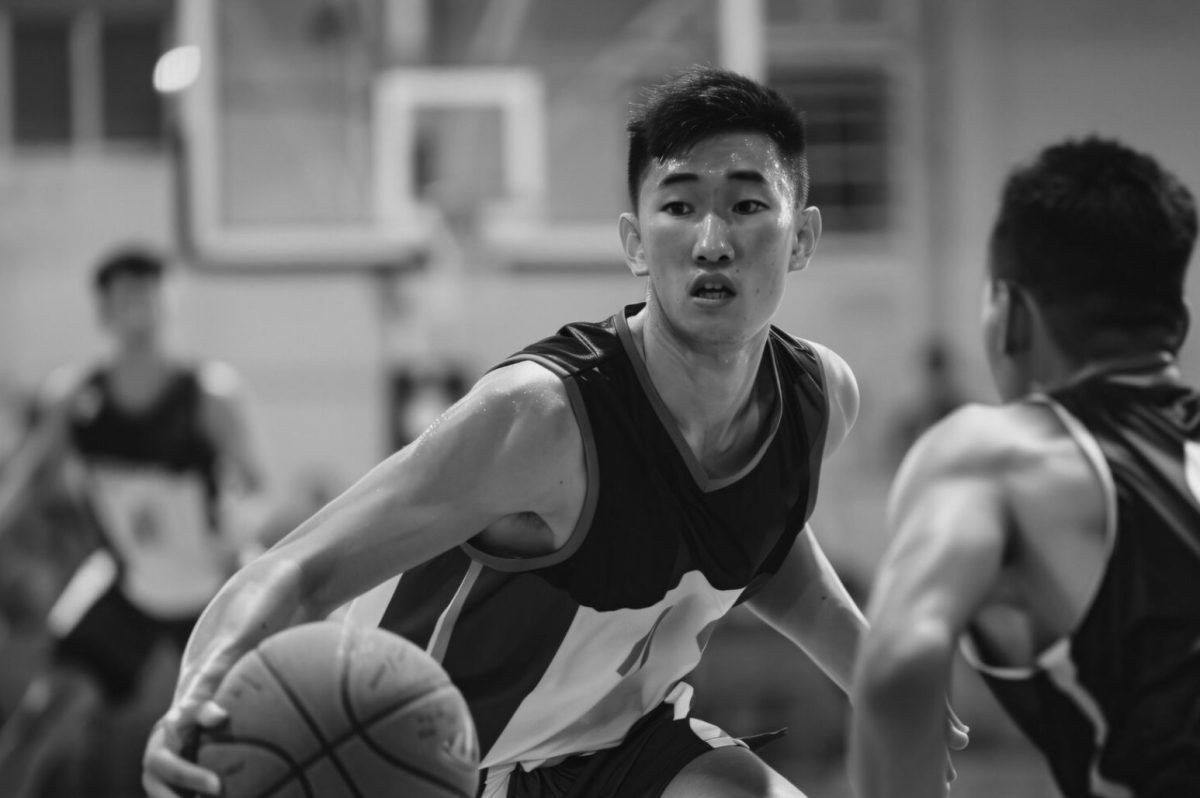
Traditional Games Core Tactics
Teamwork in traditional Asian group games shows emergent uniformity. Collective representations partially explain how role positioning is determined.
- Spatial control: All teammates of a team agree on how they each will move during a match so they all control pieces of the overall play area strategically.
- Timing and rhythm: Some strategies of a team may require the whole team to do a specific play together.
- Defensive anticipation: Players on a team need to strategically analyze how all the players on the opposing team will move.
- Role flexibility: Team members often change which position they play during a match.
Teamwork grows when athletes learn to act as one instead of chasing personal goals. When conditions shift, they adapt without breaking formation – staying connected through pressure.
Strategic Awareness From Tradition
Over the span of many centuries, numerous traditional sports from Asia have undergone a process of improvement and refinement of their strategic systems. The inheritance and dissemination of strategic concepts through observation, practice, and multiple competitions have spawned an organic and coherent set of theories.
Comparing traditional team sports with modern professional games shows how you can find similar strategic ideas in different domains.
| Strategic Aspect | Traditional Asian Sports | Modern Team Sports |
| Tactical planning | Learned through experience | Structured coaching systems |
| Team coordination | Collective positioning | Organized formations |
| Decision speed | Situational awareness | Data-supported strategies |
Out here, old sports habits still color the way players plan their moves. Without fancy number-crunching tools, teams found clever ways to work together through sheer experience.
Lessons That Last From Old Ways of Rivalry
Team sports that originated in Asia, such as cricket, field hockey, and tennis, reflect Asian cultural values and traditions. They are deeply rooted in the region’s history and have evolved over centuries to become the popular team sports they are today. In addition, they have provided a platform for social interaction and a way to pass on these traditions from one generation to the next.
Players rarely have the luxury of high-quality field conditions in real games. To be successful, they must adapt to varying environments while making astute split-second judgments about where to position themselves and how to react to those around them. These adaptations are perfect for developing these skills both on and off the field.
 Accessibility is Not an Option: What the European Accessibility Act (EAA) Means for You
 SITL 2019
 How to Choose the Right Vertical Axis Wind Turbine for Logistics and Warehousing
 The Mayo Hotel Continues to Invest in the Guest Experience with Infor Hospitality
 6 Common Risks You Can Face at Your Workplace
 Zeus reports 400% growth in demand for sustainable freight solutions