


Walk into any warehouse break room and you will spot jackets, hats, and vests tossed on chairs.
Names blur together when shifts overlap, and similar colors look identical from a distance. Small identification problems can turn into small delays all day.
That is why many operators consider custom embroidery services in Harrisburg for uniforms and gear that must hold up.
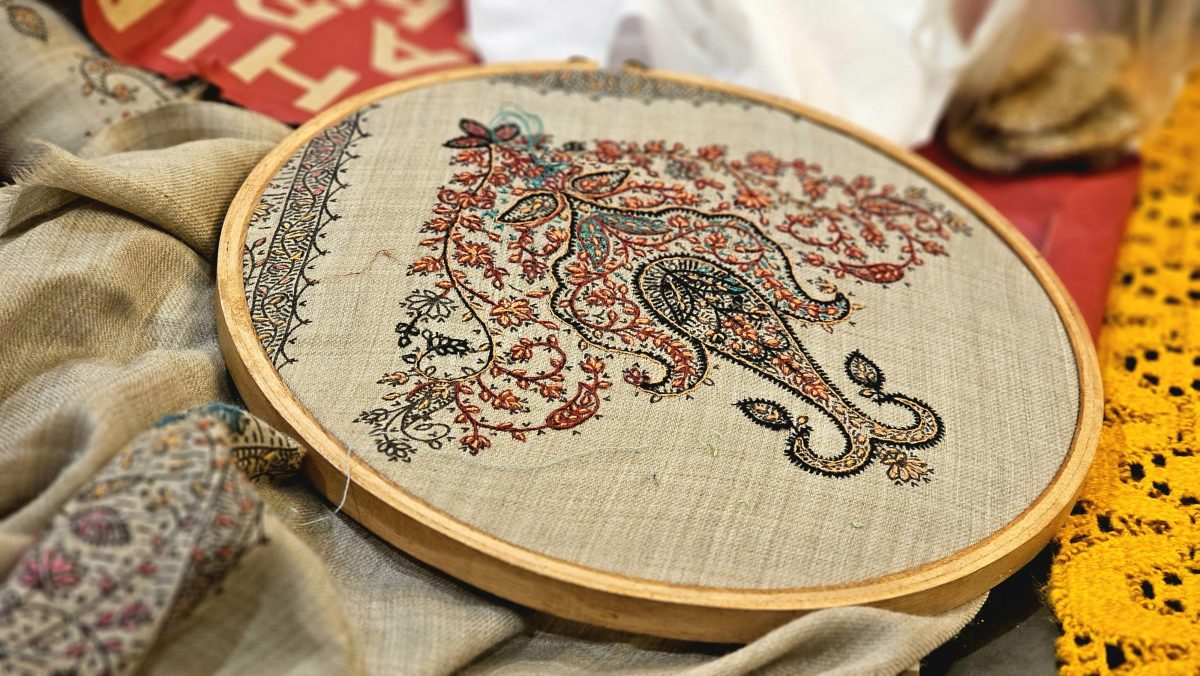
Embroidery acts like a durable label that stays readable after repeated washing and daily wear.
For supply chain teams, that durability connects directly to speed, clarity, and fewer avoidable mix ups.
Embroidery Holds Up When Work Gets Messy
Warehousing and transportation work is rough on clothing because fabric gets dragged, snagged, and washed often. Printed logos can crack or peel, especially on cuffs, pockets, and high contact areas. Embroidery holds thread inside the fabric, so the mark stays intact longer.
That durability matters when you issue uniforms for a long rotation and expect consistent presentation. A stitched name or logo stays legible after heat, detergent, and repeated drying cycles. Over time, cost per wear often improves because items do not look worn as quickly.
Embroidery also avoids the sticky feel that some heat applied graphics can leave behind. Staff notice comfort fast, especially on hats and outerwear worn for long shifts. When gear feels better, it is more likely to be worn as intended.
Safety Apparel Still Needs Smart Placement
If you include safety apparel, placement and material choices still matter for visibility and protection. OSHA notes that protective equipment should be maintained in a clean and reliable condition, which applies to garments used for protection.
Embroidery can support identification on approved items, as long as it does not reduce the garment’s purpose. Many teams keep stitching away from reflective striping and high visibility panels. That keeps visibility strong while still making identification easy.
A practical detail is thread color stability under sun and frequent laundering. Many brands standardize thread colors to match other signage and packaging for consistency. That consistency helps when staff move between departments and still represent the same operation.
Clear Identification Reduces Small Frictions On The Floor
In a busy facility, people need to know who is who without stopping to ask. A readable name and role marker helps supervisors, temps, and new hires communicate faster. It also reduces awkward moments when someone forgets a name or team assignment.
Embroidery can support role clarity with simple conventions that do not look loud. Many teams use a left chest name and a right chest department or site code. The result is quick recognition without extra explanation.
It can also help with access control and basic security routines at docks and receiving points. Visitors and drivers often move through shared spaces, and staff rotate across doors. A stitched identifier makes it easier to spot who belongs in which area.
Handling Shared Gear Without Confusion
Embroidery works well for items that move between people, like loaner jackets or cold room layers. You can stitch the company identifier and add a removable badge holder for personal assignment. That approach keeps the garment useful even when staffing changes week to week.
In organizations with multiple locations, embroidery can prevent “mystery uniforms” from drifting across sites. A small location code helps returns and reissue when staff transfer or borrow gear. Over a season, that reduces replacement orders that come from simple confusion.
Brand Consistency Without Looking Like An Ad
Supply chain operations often touch customers in subtle but frequent ways, like deliveries and curbside handoffs. A clean, consistent uniform helps the interaction feel organized and professional. It also makes it easier for customers to trust what they see.
Embroidery tends to look calmer than large printed graphics, especially on work shirts and jackets. A small stitched mark reads as intentional and durable, rather than temporary. That can fit companies that want a steady look without turning staff into billboards.
Consistency becomes more important when you use a mix of garments for different environments. Cold storage needs heavier layers, while packing stations may use lighter shirts. Embroidery can keep the same identity across both, even when fabrics differ.
Consistency Gets Easier With Repeatable Ordering
This is where a long running provider can be helpful, because they keep records and match details over time. A family owned company like Shenk Company, with deep experience in stitched workwear, can maintain those standards across repeat orders. The value is less about novelty and more about continuity.
It also supports internal culture, not just outside appearance. People feel more “on the team” when gear fits well and looks intentional. That can matter during peak seasons when schedules are tight and morale needs steady support.
Standardizing Your Uniform Program For Fewer Surprises
Embroidery is still a production process, so planning prevents rushed decisions and waste. The easiest wins come from standardizing garment types, logo size, and placement rules early. Then reorders become predictable, even when staffing grows quickly.
A simple planning checklist keeps things moving without turning the project into a long committee job:
- Decide the few garments you will stock, based on temperature zones and daily task needs.
- Lock logo size and placement once, then reuse the same file and measurement every reorder.
- Choose thread colors that match your brand guide, and confirm they stay readable on fabric.
- Set a reorder point tied to onboarding volume, so you do not scramble during seasonal spikes.
Care Instructions And Lifecycle Tracking Matter
Care instructions matter because uniforms fail early when they are cleaned the wrong way. The FTC’s Care Labeling Rule focuses on providing regular care instructions for textile apparel and certain goods.
Even if you are not the manufacturer, it helps to align garment choices with realistic washing habits. Some teams post simple wash guidance in break rooms so items last longer. That small step can reduce early replacement costs.
It also helps to track what you issue like any other supply item, with sizes, counts, and issue dates. A basic log reduces duplicates and shows which items wear out faster. When you have that data, embroidery becomes part of an organized uniform program, not a one off purchase.
Lead Times, Names, And Peaks Need A Simple Plan
Lead times can vary when you add names, departments, or role titles to each item. Many teams keep a small “blank stock” for urgent starts, then add personalized items on a standard cycle. That approach balances speed for hiring with cost control for customization.
Peak season adds pressure because hiring and replacement needs spike at the same time. If you plan for that surge, you avoid rushed orders that lead to sizing gaps. A steady cadence helps you protect both presentation and budget.
A steady takeaway is that embroidery works best when it supports operations, not just appearance. Durable identification, clearer roles, and repeatable ordering routines can remove small daily frictions. When you treat uniforms like a managed asset, the benefits show up in smoother shifts and fewer avoidable mistakes.
 Alltruck cuts carbon and cost with cool solution from Hultsteins
 Descartes Sponsors Extra Mile Category of the BIFA Freight Service Awards 2023
 TCS Partners with JDA Software to Develop Cognitive Supply Chain Solutions
 SAP SE to Acquire Qualtrics International Inc.
 Google Cloud & Cohesity collaborate on secure sandbox capabilities
 6 Reasons Why the Logistics & Transportation Industry Needs OT Security