


Modern families face a common challenge as smartphones, tablets, gaming consoles, smart TVs, and connected home devices compete for internet bandwidth. The average household now operates 20 or more devices simultaneously, creating demand for robust internet connections that can handle multiple high-bandwidth activities without slowdowns.
Families with multiple devices typically need internet plans offering at least 300 Mbps or higher, with fiber-optic connections providing the best performance for homes using 8 or more devices simultaneously. Unlimited data plans eliminate concerns about overage fees while supporting heavy streaming, gaming, and remote work activities across multiple users.
The right internet package balances speed, reliability, and cost while accommodating peak usage periods when family members stream videos, attend virtual meetings, and use smart home features at the same time. Understanding connection types, speed requirements, and household usage patterns helps families select plans that maintain consistent performance across all their devices.
Key Takeaways
- Internet plans with 300 Mbps or higher speeds and unlimited data work best for multi-device households
- Fiber-optic connections deliver superior performance with lower latency and symmetrical upload and download speeds
- Families should size their internet plans based on peak usage periods when multiple devices operate simultaneously
Key Internet Features and Speeds for Families With Multiple Devices
Modern families need specific internet capabilities to support simultaneous streaming, gaming, and video calls across multiple devices. The right combination of speed, unlimited data, reliable Wi-Fi coverage, and low latency ensures smooth performance for all household activities.
High-Speed Internet Requirements
Families with multiple devices require 300-500 Mbps as a baseline for comfortable usage across several connected devices. This speed range supports simultaneous streaming, gaming, and video calls without significant performance drops.
For larger households with 20+ devices, 1,000 Mbps or higher becomes essential. These gigabit speeds handle 4K streaming on multiple TVs, intensive online gaming sessions, and concurrent video conferences.
Fiber-optic connections deliver superior performance compared to cable or DSL options. Fiber provides symmetrical upload and download speeds, which proves crucial for families who engage in video calling, content creation, or cloud storage activities.
The number of active devices determines speed requirements more than total connected devices. A family of four actively streaming 4K content while gaming needs more bandwidth than a household with many idle smart home devices.
Unlimited Data Considerations
Large families benefit significantly from unlimited data plans to avoid overage fees and usage restrictions. Households with multiple streaming services, gaming consoles, and video calling activities can easily consume several hundred gigabytes monthly.
Data caps become problematic when families stream 4K content regularly. A single 4K movie consumes approximately 7GB, making monthly caps of 1TB insufficient for heavy usage households.
Many providers offering internet packages by Digicel Group and other major carriers now include unlimited options specifically designed for multi-device households. These plans eliminate the need to monitor usage or restrict family internet activities.
Streaming services like Netflix, Disney+, and YouTube consume varying amounts of data based on video quality settings. Unlimited plans allow families to stream at maximum quality without concern for monthly limits.
Wi-Fi Performance and Coverage
Modern routers supporting Wi-Fi 6, Wi-Fi 6E, or Wi-Fi 7 standards provide better performance for households with numerous connected devices. These newer standards manage bandwidth more efficiently across multiple simultaneous connections.
Wi-Fi coverage throughout the home requires strategic router placement or mesh network systems. Dead zones force devices to compete for weaker signals, reducing overall network performance for all users.
Bandwidth allocation becomes critical when multiple family members stream, game, or video call simultaneously. Quality routers prioritize traffic to ensure consistent performance across different device types and usage patterns.
The 5GHz band handles high-bandwidth activities better than 2.4GHz for devices located closer to the router. Separating streaming devices and gaming consoles onto 5GHz reduces congestion on the more crowded 2.4GHz frequency.
Latency and Consistency for Streaming, Gaming, and Video Calls
Low latency proves essential for online gaming and video calls, with fiber connections typically providing the most consistent performance. Gaming requires latency under 50ms for competitive play, while video calls function acceptably up to 100ms.
Jitter and packet loss affect streaming quality and video call clarity more than raw internet speed. Consistent connection quality prevents buffering during peak usage times when multiple family members access the network simultaneously.
Online gaming demands both low latency and consistent upload speeds for smooth multiplayer experiences. Asymmetrical connections with limited upload bandwidth create lag during gaming while other family members stream or video call.
Video calls require stable upload speeds of 1-3 Mbps per participant. Families conducting multiple simultaneous video conferences need sufficient upload bandwidth to maintain call quality without affecting other household internet activities.
Best Internet Connection Types and Bundles for Multi-Device Households
Multi-device households need reliable broadband connections and strategic bundle choices to support streaming, gaming, and remote work simultaneously. Different connection types offer varying performance levels, while bundles can provide significant cost savings for families.
Comparing Fiber, Cable, DSL, and 5G Home Internet
Fiber internet delivers the highest performance for multi-device homes. It provides symmetrical upload and download speeds, typically ranging from 100 Mbps to 2 Gbps or higher.
Fiber connections maintain consistent speeds even during peak usage hours. They offer the lowest latency, making them ideal for online gaming and video conferencing.
Cable internet serves as the second-best option for most families. Cable networks deliver speeds between 25 Mbps and 1 Gbps, though upload speeds are typically slower than downloads.
Cable performance can vary based on neighborhood usage. Multiple households sharing the same cable line may experience slower speeds during busy periods.
DSL internet uses existing telephone lines but offers limited speed potential. Most DSL connections provide 5-25 Mbps, which may struggle with multiple high-bandwidth activities.
Distance from the provider’s equipment affects DSL performance. Homes farther from the central office receive slower speeds than closer properties.
5G home internet provides wireless broadband through cellular networks. Speeds typically range from 25-300 Mbps depending on tower proximity and network congestion.
5G home internet works well in areas lacking fiber or cable infrastructure. Weather conditions and physical obstacles can impact signal strength and consistency.
Selecting the Right Internet Providers and Bundles
Major providers like AT&T, Verizon, and Spectrum offer comprehensive internet bundles designed for families. These bundles typically combine high-speed internet with additional services at discounted rates.
Families should prioritize unlimited data plans to avoid overage fees. Multiple devices streaming, gaming, and downloading can quickly consume data allowances on metered plans.
Speed requirements vary based on household activities:
- 100-200 Mbps: 3-5 devices with moderate streaming
- 300-500 Mbps: 6-10 devices with heavy streaming and gaming
- 500+ Mbps: 10+ devices with 4K streaming and remote work
Internet providers often offer promotional pricing for new customers. These deals may include free installation, equipment discounts, or reduced monthly rates for the first year.
Benefits of Internet and Phone Bundles
Internet and phone bundles combine broadband service with home phone lines at reduced costs. Families can save $10-30 monthly compared to purchasing services separately.
Astound offers internet plus mobile bundles starting at $30 monthly. The package includes one unlimited mobile line free for the first year.
Bundle advantages include:
- Single monthly bill for easier management
- Unified customer service for all services
- Equipment consolidation reducing clutter
- Emergency backup communication options
Many internet and phone bundles include features like voicemail, caller ID, and call waiting at no extra charge. Some providers offer international calling plans as bundle add-ons.
Bundled services typically require longer contract commitments. Families should compare total costs over the contract period rather than focusing solely on promotional rates.
Conclusion
Families with multiple devices need internet plans that deliver consistent speeds and unlimited data to avoid bottlenecks during peak usage times.
Fiber-optic connections provide the most reliable performance for households managing 8+ devices simultaneously. These plans offer symmetrical upload and download speeds essential for video calls, streaming, and gaming.
Speed recommendations by household size:
- Small families (3-5 devices): 100-300 Mbps
- Medium families (6-10 devices): 300-500 Mbps
- Large families (10+ devices): 1 Gbps or higher
The right internet package balances speed requirements with budget constraints while ensuring every family member can use their devices without experiencing lag or connection issues. Multi-gigabit plans become necessary for households with heavy streaming, gaming, and remote work demands.
Unlimited data eliminates overage fees that can quickly inflate monthly costs. Quality equipment including modern routers and mesh systems maximizes the potential of any internet plan regardless of speed tier.
 Advanced Supply Chain Analytics — Now Accessible to Everyone, for Free
 PARAGON LAUNCHES NEW LIVE MANAGEMENT FUNCTIONALITY FOR IMPROVED TRANSPORT PLANNING AND EXECUTION
 S&OP – 13 Years On, What Have We Learned and What Has Changed?
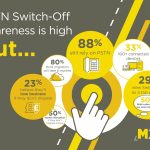 Difficulties ahead for UK businesses as 88% report still relying on PSTN despite 2025 switch-off
 How to unlock the value of data-driven logistics
 Deposco Launches End-to-end Omnichannel Planning & Fulfillment Platform