

A reliable roof is a cornerstone of any successful business. It provides protection from the elements, enhances energy efficiency, and contributes to the safety and comfort of the building.
Even the most durable roofs can face wear and tear, leaving business owners in need of a roof replacement.
Ensuring a timely, effective, and budget-friendly replacement is crucial to minimizing downtime and preventing further damage to the property.
A well-planned roof replacement doesn’t just restore a building’s protection; it adds value and extends the property’s lifespan.
The right materials, experienced contractors, and a solid maintenance plan are essential for achieving a smooth and long-lasting roof replacement. Let’s explore how to navigate the complexities of this process.
Assessing the Need for Roof Replacement
Before jumping into a roof replacement, it’s important to assess the condition of the roof. Small issues, such as leaks, missing shingles, or rust, may signal the need for repairs. However, when the damage is extensive or the roof has reached the end of its lifespan, replacement may be necessary.
The decision to replace a roof should be based on its age, the extent of damage, and the long-term value of repair versus replacement. Consulting with commercial roofing experts is a smart first step. They can provide an expert evaluation, helping to identify hidden damage, suggest materials that fit the business’s needs, and estimate the life expectancy of the new roof. An experienced roofer will provide a clear understanding of the costs involved, helping business owners make an informed decision.

Choosing the Right Roofing Materials
When replacing a roof, selecting the right materials is one of the most important decisions you’ll make. Different roofing materials offer various benefits, from durability to energy efficiency. The choice often depends on the building’s function, climate conditions, and budget.
Common roofing materials include asphalt shingles, metal, rubber roofing, and TPO (thermoplastic olefin). Asphalt shingles are a popular choice for their affordability, while metal roofing is valued for its longevity and ability to withstand extreme weather. Rubber and TPO are excellent options for flat or low-sloped roofs due to their water-resistant properties. A consultation with roofing experts will help you identify the best option for your specific needs, ensuring long-term protection and minimal maintenance.
Understanding the Roof Replacement Process
A roof replacement is a significant project, and understanding the process can help ensure everything goes smoothly. The replacement typically begins with the removal of the old roof, including any damaged shingles, tiles, or underlayment. Once the old materials are removed, a new underlayment is installed, followed by the roofing material of choice.
It’s important to schedule the work at a time that minimizes disruption to business operations. A reputable contractor will work with you to find the most efficient time for replacement, avoiding peak business hours and ensuring that the process moves as quickly as possible. Communication with the roofing team is key to a successful project, as it helps avoid delays and ensures quality work is being done.
Managing Costs and Budgeting for Roof Replacement
Roof replacement is a major investment, and managing costs is a critical part of the process. Getting multiple quotes from different contractors will help you understand the market rate and ensure that you’re not overpaying. While it might be tempting to go with the cheapest option, quality should be your top priority. A poorly installed roof can lead to more costly repairs in the future.
It’s important to consider the long-term savings that a new roof can provide. A high-quality roof improves energy efficiency by better insulating the building, reducing heating and cooling costs. It decreases the need for frequent repairs, which can add up.
Selecting the Right Roofing Contractor
Choosing the right contractor is just as important as choosing the right materials. An experienced and reliable roofing company will help you choose the best materials for your roof and will ensure the job is completed on time, within budget, and to a high standard of quality.
Choosing the right contractor is just as important as choosing the right materials. For businesses in Central Texas, working with an established Austin roofing company that offers free inspections and clear written estimates makes it easier to compare quotes and avoid surprises once the project begins.
Look for contractors with a solid reputation in the industry, as well as proper licensing and insurance. Ask for references and check online reviews to gauge the experiences of previous clients. If possible, visit a past project site to inspect the quality of their work. A professional contractor will provide a clear, written contract outlining the scope of the work, timelines, and payment terms.
The Importance of Roof Maintenance After Replacement
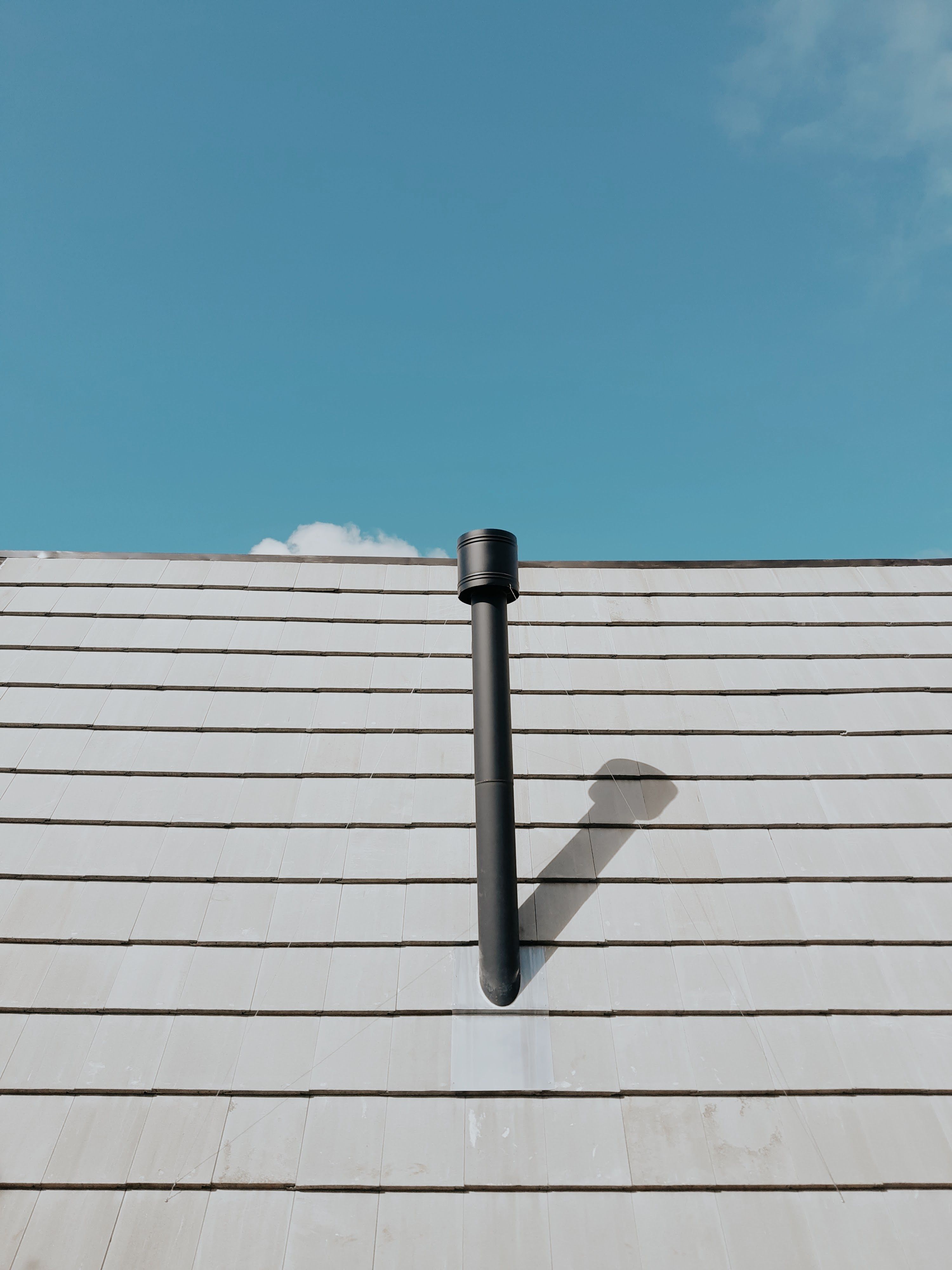
Once the new roof is installed, it’s important to keep up with regular maintenance to ensure its longevity. Routine inspections help catch small issues before they become major problems. Gutter cleaning, debris removal, and regular checks for leaks are all part of maintaining the roof’s integrity.
A well-maintained roof lasts much longer and performs better. Many roofing contractors offer maintenance programs that provide regular inspections and repairs. Having a contractor you trust for ongoing maintenance ensures that your roof stays in top condition, protecting your business for years to come.
A roof replacement is a significant investment for any business, but it’s important for long-term protection and operational efficiency. By working with experienced roofing experts, selecting the right materials, and planning the project carefully, you can ensure that the replacement process goes smoothly and provides lasting value.
 Almost half (44%) of businesses see scanning as a foundational step to digitisation
 Wendy Dalton appointed CEO to lead next phase of growth at jobmate
 Command Alkon Adds Cloud Platform Strategist Doug Moore to Leadership Role
 WORLD OF BOOKS TARGETS MILEAGE, TIME AND COST SAVINGS WITH PARAGON’S MULTI-DROP ROUTING SOFTWARE
 Adapting to Post-Pandemic Marketing Trends in the Hospitality Industry
 Information Builders unveils the new ibi at virtual Summit 2020