


The forward supply chain has had decades of optimization. From just-in-time manufacturing to real-time freight visibility and warehouse robotics, the journey from raw material to customer doorstep is faster, cheaper, and more transparent than ever.
The reverse supply chain, the flow of products back from consumers to retailers, manufacturers, and suppliers, has not received the same attention. And that gap is becoming a competitive liability.
According to a 2024 report from the Reverse Logistics Association, the global reverse logistics market is projected to reach $958 billion by 2028, growing at a compound annual rate of roughly 5.6%. Driving that growth are rising ecommerce return rates, stricter extended producer responsibility (EPR) regulations across the EU, and increasing consumer demand for sustainable product lifecycles.
For supply chain leaders, the question is no longer whether to invest in reverse logistics capabilities. It is whether their current infrastructure can handle the volume, complexity, and regulatory requirements that are already here.
The scale of the challenge
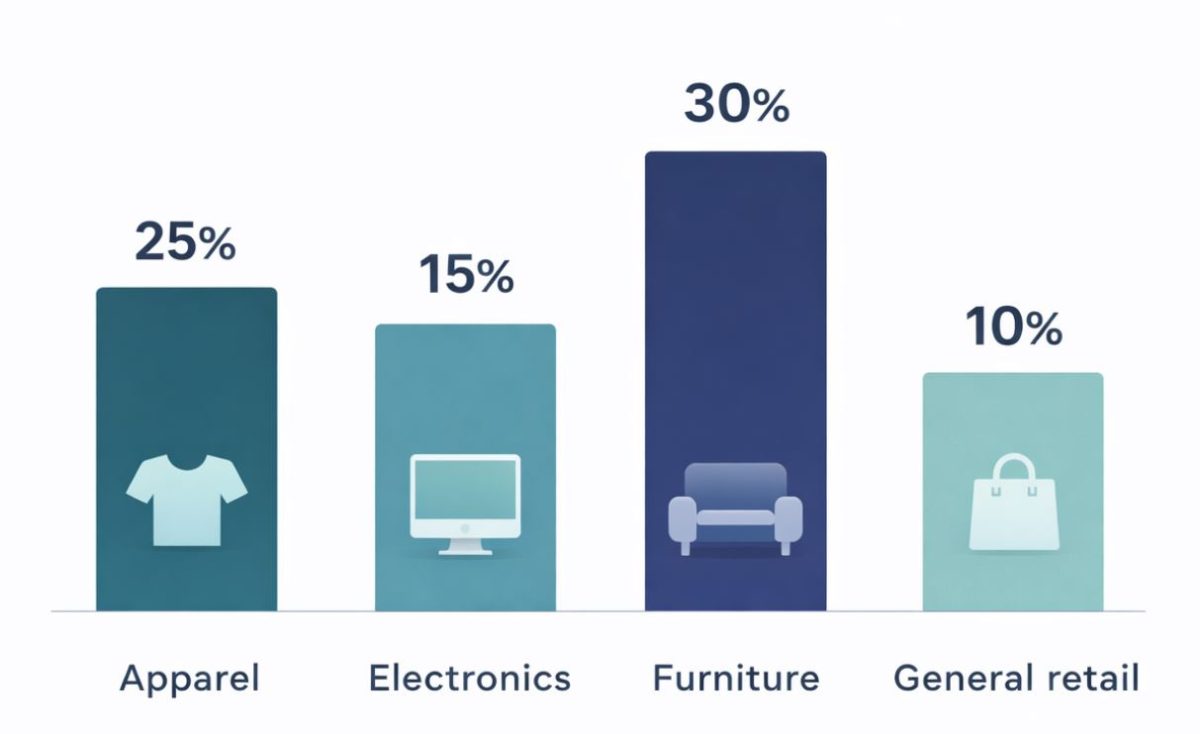
Ecommerce has fundamentally changed the economics of product returns. In physical retail, return rates average between 8% and 10%. Online, that figure doubles or triples depending on the category. Apparel consistently sits above 25%. Consumer electronics hover around 15%. Furniture and home goods can reach 30%, complicated further by the size, weight, and fragility of the items involved.
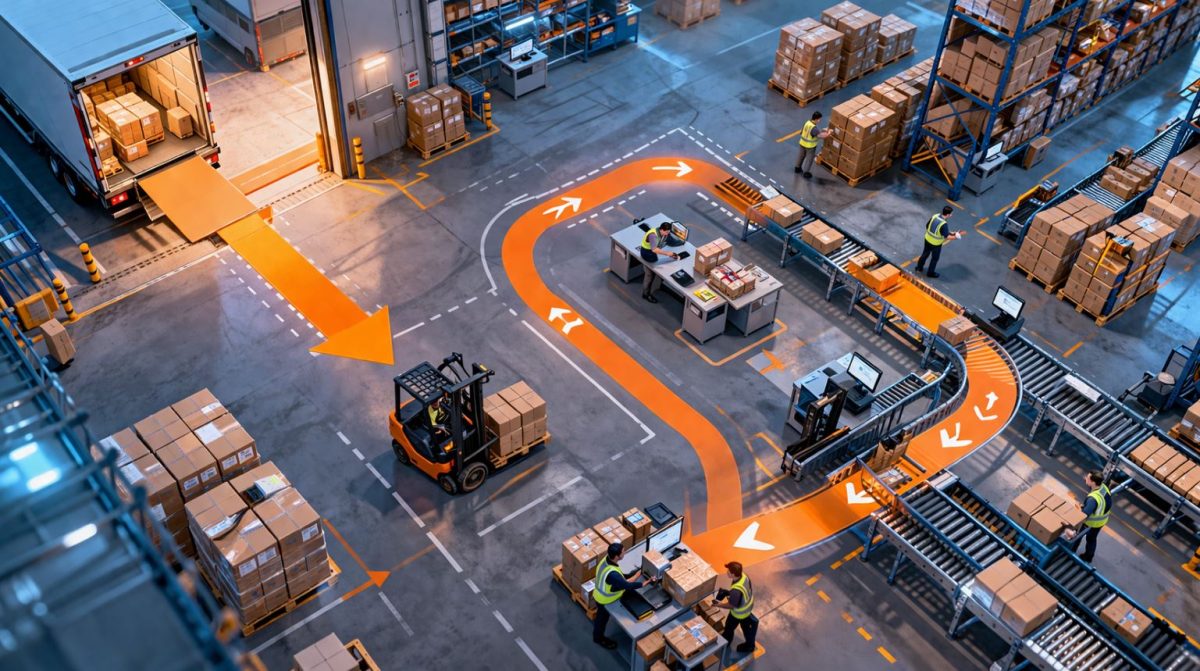
Each return triggers a chain of operational steps: customer communication, return authorization, shipping logistics, receiving and inspection, quality assessment, disposition (restock, refurbish, liquidate, or dispose), financial reconciliation, and, where applicable, supplier recovery.
In most organisations, these steps are managed across disconnected systems. Customer service handles the front end. Warehouse teams handle receiving. Finance handles credits. Nobody has end-to-end visibility, and the data generated at each step rarely feeds back into product development or supplier management.
Where technology is closing the gap
Several technology categories are converging to address the reverse logistics challenge:
Returns management platforms are replacing email-based and spreadsheet-driven workflows with structured, automated processes. These platforms handle everything from customer-facing return portals to internal disposition workflows and supplier claim forwarding. Claimlane, for example, provides a platform specifically designed for warranty claims, returns, and repairs, connecting the customer-facing experience with internal operations and supplier recovery in a single system.

The shift from manual to platform-based returns management typically delivers measurable improvements in resolution speed. Case studies from the sector report reductions in claim handling time from days to hours, along with significant decreases in the number of staff required to manage the same volume of cases.
AI and computer vision are being applied to damage assessment and claim triage. When customers submit photos and descriptions of defective products, AI models can classify damage types, verify claims against warranty terms, and recommend dispositions without human intervention for straightforward cases. This frees up operations staff to focus on complex cases that genuinely require judgment.
The quality of customer-submitted evidence varies enormously, poor lighting, blurry images, irrelevant photos, which makes this a non-trivial computer vision challenge. But advances in transfer learning and data augmentation are making automated assessment increasingly viable for production use.
Predictive analytics applied to returns data is enabling proactive quality management. When returns are processed through structured systems, patterns become visible at the product, batch, and supplier level. A rising defect rate in a specific SKU can be identified weeks before it would surface through traditional quality reporting channels. This data loop, from returns back to product and supplier management, represents one of the most underutilised sources of operational intelligence in the supply chain.
Circular economy platforms are addressing the disposition challenge. Products that cannot be restocked in original condition need pathways to refurbishment, resale, component harvesting, or responsible recycling. Companies like Back Market for electronics and ThredUp for apparel have built secondary marketplaces, but most brands still lack systematic processes for routing returned products to their highest-value second life.
The regulatory dimension
The European Union’s General Product Safety Regulation (GPSR), which came into full effect in December 2024, has added new obligations around product traceability and safety reporting. Manufacturers and importers must maintain the ability to track products through their full lifecycle, including returns, and report safety issues to national authorities within defined timescales.
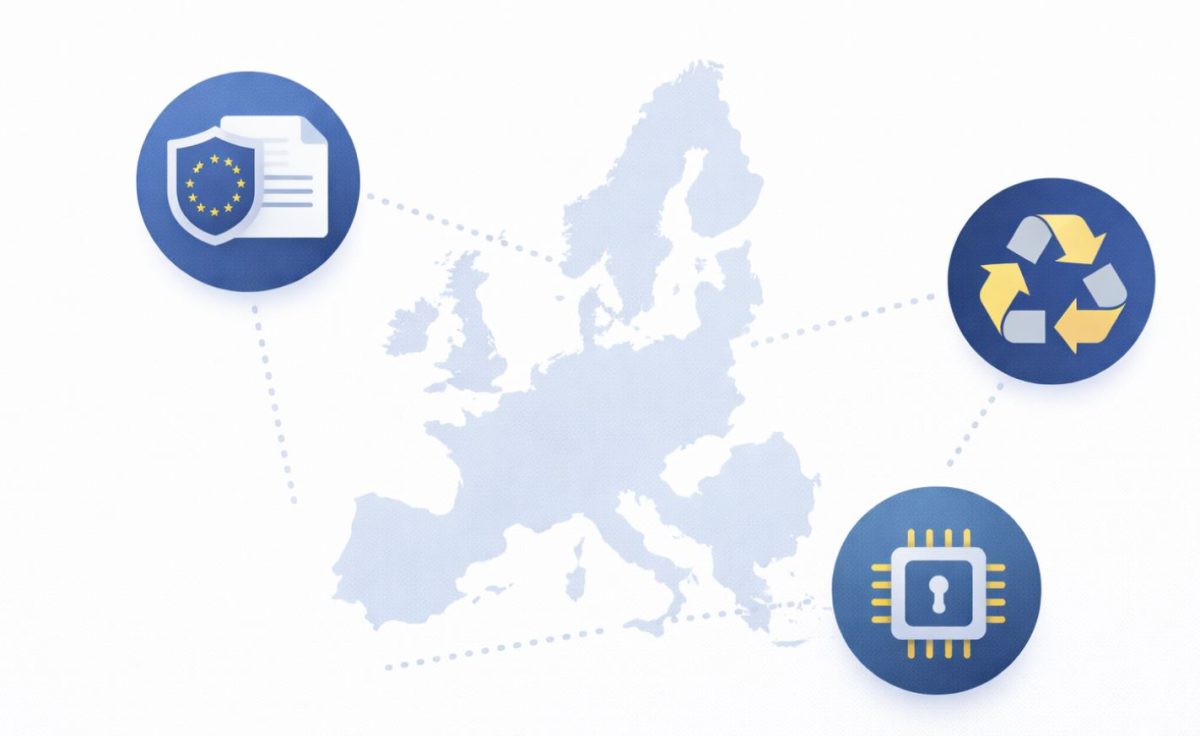
The EU’s Ecodesign for Sustainable Products Regulation (ESPR) will further expand requirements, mandating Digital Product Passports for certain product categories. These passports will track materials, manufacturing processes, repairability, and end-of-life handling, creating both compliance obligations and data infrastructure requirements for reverse logistics operations.
For supply chain leaders, the regulatory trajectory is clear: reverse logistics will increasingly require structured data, traceability, and reporting capabilities that manual or ad hoc processes cannot provide.
3PL and the outsourcing question
Third-party logistics providers have historically focused on forward logistics. Returns processing was often treated as a secondary service, handled with less automation and lower priority than outbound fulfilment.
That is changing. Major 3PLs are investing in dedicated returns processing capabilities, and a growing number of specialist reverse logistics providers are entering the market. The 2024 State of Logistics Report from CSCMP noted that returns processing is one of the fastest-growing service categories within the 3PL sector.
For brands evaluating whether to manage returns in-house or through a 3PL, the key consideration is data ownership. Returns generate valuable product intelligence, fraud signals, and customer experience data. Outsourcing the physical handling is often sensible. Outsourcing the data and decision-making is riskier.
The most effective models maintain software-level control over returns policies, automation rules, and analytics while delegating the physical logistics to warehouse partners. This preserves operational flexibility while capturing the intelligence that drives continuous improvement.
Building reverse logistics resilience
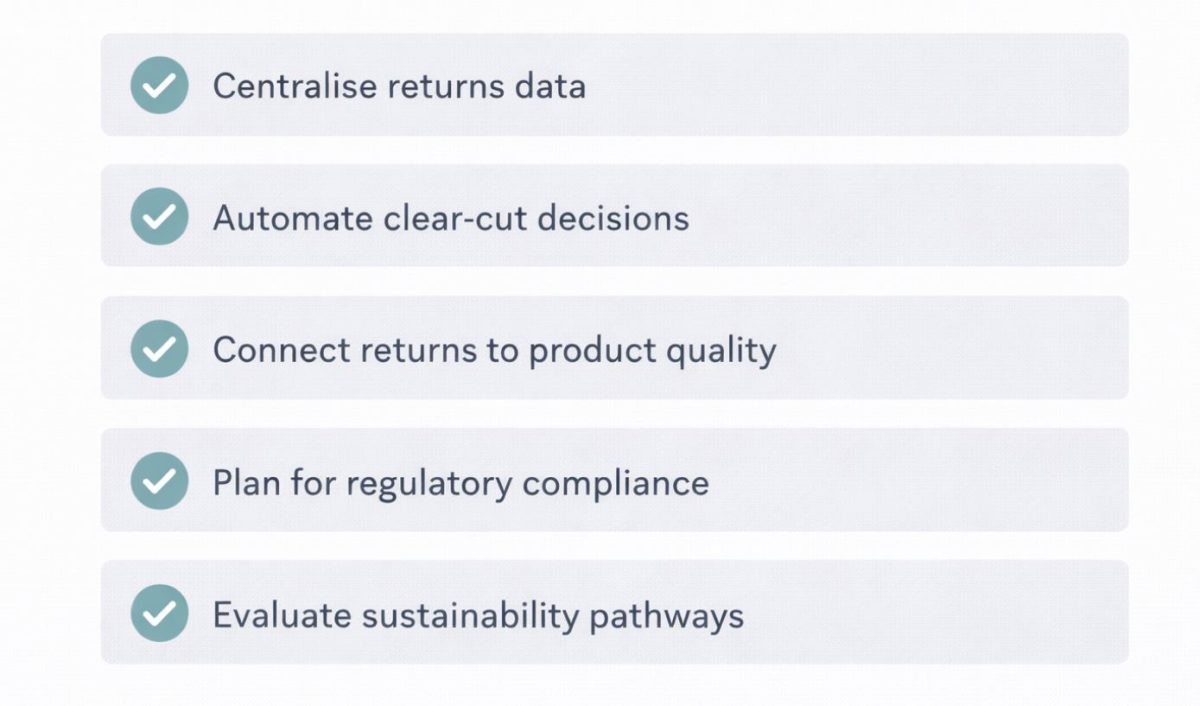
Supply chain leaders looking to strengthen their reverse logistics capabilities should consider the following priorities:
Centralise returns data. Whether returns are handled in-house, through a 3PL, or across multiple channels, the data should flow into a single system. Without centralised data, pattern recognition, fraud detection, and supplier recovery are all significantly more difficult.
Automate where the rules are clear. Returns that fall within straightforward policy parameters (correct product, within return window, standard reason code) can be auto-processed. Reserve human review for edge cases, high-value items, and flagged anomalies. The goal is not to eliminate human judgment but to apply it where it matters most.
Connect returns to product quality. Establish a formal feedback loop between returns data and product/supplier management. Monthly reviews of returns by SKU, defect type, and supplier should be a standing process. This is where reverse logistics stops being a cost centre and starts creating value.
Plan for regulatory compliance now. The EU’s product traceability and sustainability regulations are not future concerns. They are current requirements that will expand in scope. Building structured, data-rich returns processes today creates the foundation for compliance tomorrow.
Evaluate sustainability pathways. Consumers, regulators, and investors are all increasing scrutiny on how returned products are handled. Brands that can demonstrate structured refurbishment, recycling, and waste-reduction processes will have a measurable advantage in ESG reporting and customer trust.
The strategic shift
Reverse logistics has traditionally been viewed as an operational burden, a cost to be minimised. The organisations that are gaining competitive advantage are the ones that recognise it as a strategic function: a source of product intelligence, customer loyalty, fraud prevention, and sustainability performance.
The technology to manage reverse logistics at scale exists today. The gap is organisational: the willingness to invest in returns infrastructure with the same rigour applied to forward logistics. As return volumes continue to grow and regulations continue to tighten, that gap will become increasingly expensive to ignore.
 Aryaka’s Cloud-First approach to secure business connectivity accelerates EMEA growth
 Visa Pathways for Supply-Chain Tech Leaders: O-1 Visa Explained
 ASOS results – nailing distribution network is key
 6 Ways Dental Offices Can Improve
 Entrepreneurial Operator Solves Compliance Puzzle & Drives Efficiency with TruTac
 Nulogy Named Among Canada’s Top Small & Medium Employers for 2024