


For modern hospitality businesses, the push toward environmental responsibility is no longer a peripheral goal but a core operational requirement. Specialty roasters and boutique cafe owners understand that every element of their service reflects their brand values, particularly the vessel in which their product is delivered. However, a common friction point in the transition to eco-friendly packaging is the perceived trade-off between sustainability and logistics.
Many brands worry that sourcing high-quality, sustainable materials requires navigating complex international supply chains or enduring weeks of back-ordered stock. Fortunately, businesses can now access premium takeaway coffee cups with fast shipping across Australia, ensuring that the switch to greener alternatives is as seamless as it is impactful. By partnering with local manufacturers who prioritize domestic stock levels, food brands can eliminate the anxiety of “out of stock” notifications while simultaneously reducing their carbon footprint.
The Evolution of the Eco-Friendly Cup
The landscape of disposable packaging has shifted dramatically over the last decade. Historically, the standard coffee cup was lined with PE (polyethylene), a petroleum-based plastic that made the paper waterproof but the cup itself nearly impossible to recycle in standard facilities. As consumer awareness grew, the industry moved toward PLA (Polylactic Acid). PLA is a bioplastic derived from renewable resources like corn starch. While a significant step forward, PLA-lined cups generally require industrial composting facilities to break down effectively, as they need specific heat and moisture levels not typically found in a backyard compost bin.
The latest frontier in this evolution is Aqueous coating technology. Aqueous-lined cups use a water-based coating that is applied much like ink. This thin, integrated barrier provides the necessary liquid resistance without the need for a traditional plastic film. The result is a cup that is often certified for home composting, meaning it can break down in a garden environment alongside vegetable scraps and yard waste. For a specialty roaster, offering an Aqueous cup represents the pinnacle of “circular economy” thinking, giving the customer a clear and easy path for disposal.
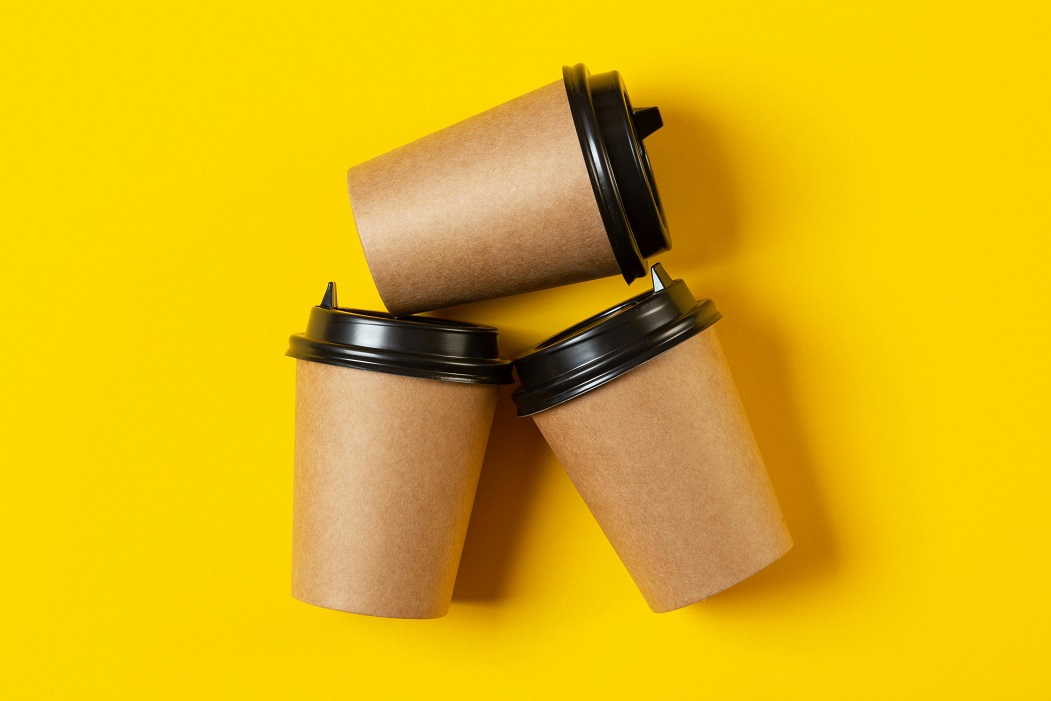
Domestic Supply: The Antidote to Shipping Delays
The primary hurdle for many Australian businesses looking to adopt these technologies is the “distance dilemma.” Sourcing innovative packaging from overseas often leads to unpredictable lead times, high minimum order quantities, and a massive carbon cost associated with maritime or air freight. When a cafe runs out of cups, they cannot wait six weeks for a container to clear customs.
Detpak has addressed this challenge by maintaining a robust local presence. By stocking Aqueous and PLA-lined products within Australia, they provide a buffer against global supply chain volatility. This local inventory model means that a cafe in Melbourne or a roaster in Perth can access the latest in composting technology without the logistical headache. Sustainability should not be a luxury dictated by shipping schedules. By choosing a supplier with a localized footprint, business owners can maintain lean inventory practices, freeing up capital and storage space while knowing their eco-friendly alternatives are just a few days away.
Understanding Aqueous vs. PLA
Choosing the right technology depends on the specific goals of the business and the infrastructure available to their customers.
PLA-lined cups remain a stalwart of the “green” movement. They are incredibly durable and perform identically to traditional plastic-lined cups. For businesses located in council areas with robust FOGO (Food Organics and Garden Organics) collection services, PLA is a fantastic option. It ensures that the cup stays out of the landfill and is turned into nutrient-rich compost in a commercial setting.
On the other hand, Aqueous technology is rapidly becoming the preferred choice for brands that want to empower the individual consumer. Because Aqueous cups are certified for home composting, they remove the “middleman” of industrial processing. The technology is sophisticated, ensuring that the cup remains sturdy even with high-temperature specialty lattes, yet it is designed to disappear into the earth far more readily than its predecessors.
Why Speed and Sustainability Must Coexist
In the fast-paced world of specialty coffee, “speed to market” is a competitive advantage. When a roaster launches a new seasonal blend or a food brand opens a pop-up location, they need packaging that matches their pace. The “wait and see” approach to sustainable sourcing often leads to businesses falling back on less eco-friendly options simply because they are more readily available at the local wholesaler.
By bridging the gap between high-tech compostable materials and rapid domestic delivery, the barriers to entry for sustainable business practices are lowered. Business owners no longer have to choose between their ethics and their efficiency. The ability to pivot quickly to Aqueous or PLA-lined cups allows a brand to stay ahead of changing state regulations regarding single-use plastics, which are becoming increasingly stringent across Australia.
Enhancing Brand Perception Through Packaging
For a specialty roaster, the coffee cup is a mobile billboard. It is the most frequent touchpoint a customer has with the brand. When a customer holds a cup that feels premium and carries a “home compostable” certification, it reinforces the quality of the coffee inside. It tells a story of care, attention to detail, and a commitment to the future.
Furthermore, utilizing locally stocked supplies reduces the “hidden” environmental cost of the packaging. It is a paradox to use a compostable cup that has traveled thousands of kilometers on a heavy-emissions cargo ship if a local alternative is available. By sourcing within Australia, businesses can honestly communicate a lower total carbon lifecycle for their packaging, a detail that is increasingly scrutinized by savvy, eco-conscious consumers.
Streamlining the Transition
Making the switch does not have to be an all-or-nothing overnight overhaul. Many businesses begin by introducing Aqueous cups for their most popular sizes while phasing out older stock. The key is working with a partner who understands the Australian market and can provide technical advice on which lining technology suits certain beverage types.
Detpak’s range of cup accessories, from compostable lids to sturdy carry trays, ensures that the entire takeaway experience is cohesive. Consistency is vital for brand trust. If a customer receives a home-compostable cup but a non-recyclable plastic lid, the sustainability message becomes diluted. Accessing a full suite of locally available, compatible products allows for a unified brand presentation.
The Future of Australian Hospitality
As we look toward the future, the integration of sustainability into daily operations will only become more critical. The Australian government and various state bodies are consistently updating roadmaps to phase out problematic plastics. Transitioning to Aqueous and PLA technologies now isn’t just a moral choice; it is a way to “future-proof” a business against upcoming legislative changes.
The availability of these products through local distribution channels like Detpak means that the transition is no longer a logistical nightmare. It is an opportunity to innovate, to lead, and to provide customers with the guilt-free convenience they now demand.
In conclusion, the path to a sustainable cafe or food brand is paved with smart choices. By prioritizing home-compostable Aqueous technology or commercially compostable PLA, and by leveraging the benefits of local Australian stock and fast shipping, business owners can ensure their operations are as efficient as they are ethical. The wait for sustainable packaging is over. The technology is here, it is proven, and it is ready to be delivered to your doorstep.
 How Artificial Intelligence is Revolutionizing Fraud Detection in Finance
 The Science of Stability: How Computers Detect and Fix Memory Errors
 IoT Vulnerability Disclosures Grew 57% from 2H 2021 to 1H 2022
 Edge computing for IT/OT integration
 Why ITAD Matters: Secure and Sustainable Asset Disposal for Businesses
- Unlock Secure and Private Browsing with iTop VPN