

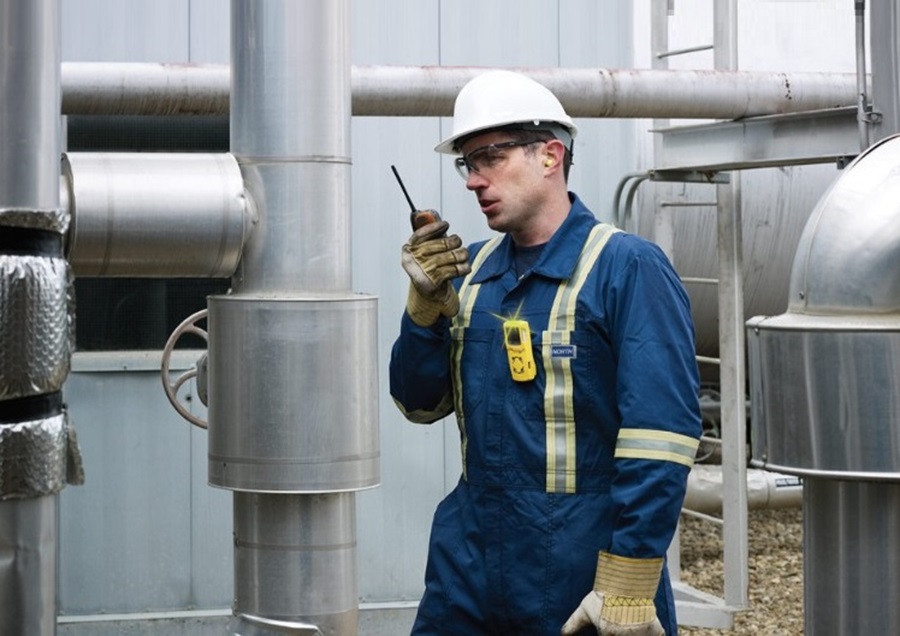
In a busy warehouse environment, hidden threats like carbon monoxide from forklifts or oxygen deficiency in confined spaces can compromise worker health long before they are visible.
Implementing advanced multi-gas monitors provides a comprehensive shield by detecting several hazardous gases simultaneously, ensuring that safety teams are alerted to shifting atmospheric conditions in real-time.
These devices go beyond simple detection by utilising data logging and integrated alarm systems to streamline emergency response protocols and regulatory compliance. By transitioning from reactive measures to proactive monitoring, facilities can significantly reduce the risk of industrial accidents and long-term health complications for their floor staff.
Read on to discover how these essential tools can transform your safety culture and provide peace of mind for your entire team.
1. Deploying Advanced Sensor Architectures for Specific Hazards
The first step in fortifying warehouse safety is mitigating the risks inherent to specific zones, from confined subterranean cable tunnels to sealed cold-aisle corridors. Even spotless pick-and-pack facilities contain micro-zones where gases accumulate.
Common culprits include hydrogen off-gassing from lithium-ion batteries, carbon monoxide (CO) from combustion engines, and volatile organic compounds (VOCs) from solvent-based cleaning agents.
The fatal injury rate for the warehousing industry is higher than the national average, often due to overlooked environmental hazards. To address these varied threats, procurement teams must match sensor technology to the specific risk profile of the facility.
Understanding the underlying detection mechanisms is essential for accurate instrument selection:
- Electrochemical sensors: These are the standard for toxic gases such as hydrogen sulphide (H₂S) and carbon monoxide. A chemical reaction generates an electric current proportional to the gas concentration, offering high accuracy for life-safety monitoring.
- Catalytic bead sensors: Serving as the traditional solution for flammable gases, these sensors measure heat changes as the gas oxidises on a heated bead. They are effective for detecting risks near the Lower Explosive Limit (LEL).
- Infrared (IR) sensors: Ideal for environments where catalyst poisons like silicone vapours are present. IR sensors use light absorption to detect hydrocarbons, offering a low-maintenance alternative for cold aisles or rugged environments.
Strategic Selection and Maintenance
Selecting the right unit requires a granular approach. Picking zones packed with staff may require lightweight, wearable four-gas units, while battery rooms often necessitate LEL-capable monitors with external diffusion pumps to sample air at ceiling height.
When comparing products, teams benefit from browsing collections that show technical specifications such as the portable industrial multi-gas detectors from PK Safety.
Maintenance is equally critical to sensor performance. Best-practice programmes utilise automated docking stations to perform daily bump tests and document calibrations. This builds an audit trail compliant with ISO 45001 while ensuring sensors do not drift over time.
| Pro Tip: Match sensor technology to your specific risk profile. Use IR sensors where silicone vapours exist and catalytic beads for standard flammable risks to ensure accurate detection and avoid sensor poisoning. |
2. Implementing Real-Time Telemetry in the Breathing Zone
The second major safety enhancement comes from shifting from passive recording to active, real-time networking. Stand-alone monitors are effective for individual protection, but networked monitors offer systemic visibility. Two primary deployment models dominate the IT supply chain sector:
- Wearables: Operators clip a lightweight device near the lapel, known as the breathing zone. These devices forward data to access points every few seconds via low-power mesh networks, ensuring immediate personal alarms.
- Area Monitors: Mounted on Automated Guided Vehicles (AGVs) or high-traffic pillars, these broadcast 360-degree readings. They provide crucial coverage for contractors or visitors who may not have issued wearables.
This connectivity allows supervisors to view live heat maps on tablets, highlighting zones creeping towards dangerous thresholds. For example, if CO levels climb above 25 ppm, managers can remotely trigger an intervention before the situation becomes critical.
One US electronics manufacturer credited such telemetry with pinpointing a forklift battery leak in under three minutes.
| Key Insight: Networked telemetry transforms safety from reactive to proactive. By visualising gas levels in real-time, supervisors can trigger interventions before hazards reach critical thresholds, protecting both staff and production schedules. |
3. Integrating Safety Data into Supply Chain Ecosystems
The third method for boosting safety involves plugging atmospheric telemetry into the wider digital ecosystem. Gas detection data becomes strategic when it flows into Warehouse Management Systems (WMS) like SAP EWM or Oracle.
This integration eliminates context-switching for supervisors, who can view gas alarms alongside pick-rate dashboards.
Advanced integration offers several operational benefits. Labour-management software can automatically reroute associates away from flagged aisles, minimising exposure risks and preventing lost productivity during minor incidents. Analytics engines can also correlate battery-swap schedules with historical oxygen dips to forecast high-risk periods.
Data security remains paramount in these connected environments. Best practices include normalising data streams into time-stamped JSON formats within a central data lake. Encrypting data in transit is essential to map to ISO 27001 controls.
Navigating Regulatory Compliance and Future Trends
Adherence to strict regulatory thresholds is the baseline for any safety strategy. Facilities must monitor oxygen levels and strictly track exposure to toxic gases like hydrogen sulphide against TWA limits.
Digital record-keeping through cloud-based calibration logs simplifies compliance with standards such as the ISO/IEC 60079 series. Looking ahead, the next wave of sensing technology will pivot on latency and density. 5G-enabled sensor swarms promise sub-second updates, allowing AI models to simulate evacuation flows in real-time.
Ultimately, safe air is more than a compliance checkbox; it underwrites the agility modern IT supply chains require.
| Warning/Important: Strict adherence is non-negotiable. You must maintain oxygen levels between 19.5% and 23.5% per OSHA standards. Falling outside this range endangers lives and invites severe regulatory penalties. |
The Path Forward
By detecting the unseen – whether hydrogen from rapid-charge batteries or VOCs from maintenance – warehouses safeguard staff and maintain the delivery reliability on which brand reputations rest.
The integration of advanced sensors, real-time telemetry, and data analytics creates a robust safety net. This proactive stance ensures that as supply chains accelerate, safety standards evolve in tandem.
| Author Profile: PK Safety is the leading online retailer and supplier of industrial safety equipment and personal protective equipment for workers across all industries. |
 Zeelandia Sees 83% Reduction in Time Taken to Prepare Customer Product Recommendations with Infor
 Why Cloud TCO Goes Beyond Monthly Usage Fees
 Future of Digital Manufacturing
 Advantages of Freight Auditing Technology: Your Frequently Asked Questions Answered
 ProGlove’s New Accessory Streamlines Charging For Barcode Scanners
 GoTo Release Helps Drive Productivity & Reliability & Reduces Time Troubleshooting