

Logistics performance is often measured by speed, accuracy, and cost efficiency, but behind these visible outcomes lies a less obvious foundation: maintenance and energy management. As supply chains become more complex and demand for faster delivery increases, the ability to sustain consistent operations depends on how well infrastructure, equipment, and energy systems are maintained over time. Efficiency is no longer just about moving goods, it is about ensuring that every part of the system operates reliably without interruption.
Modern logistics environments rely on interconnected systems where even minor inefficiencies can create ripple effects. Equipment downtime, energy waste, and poor maintenance practices can all reduce performance and increase costs. By combining proactive maintenance with smarter energy solutions, organizations can improve reliability, reduce operational strain, and create more sustainable logistics networks that perform consistently under pressure.
Maintenance as the Backbone of Logistics Efficiency
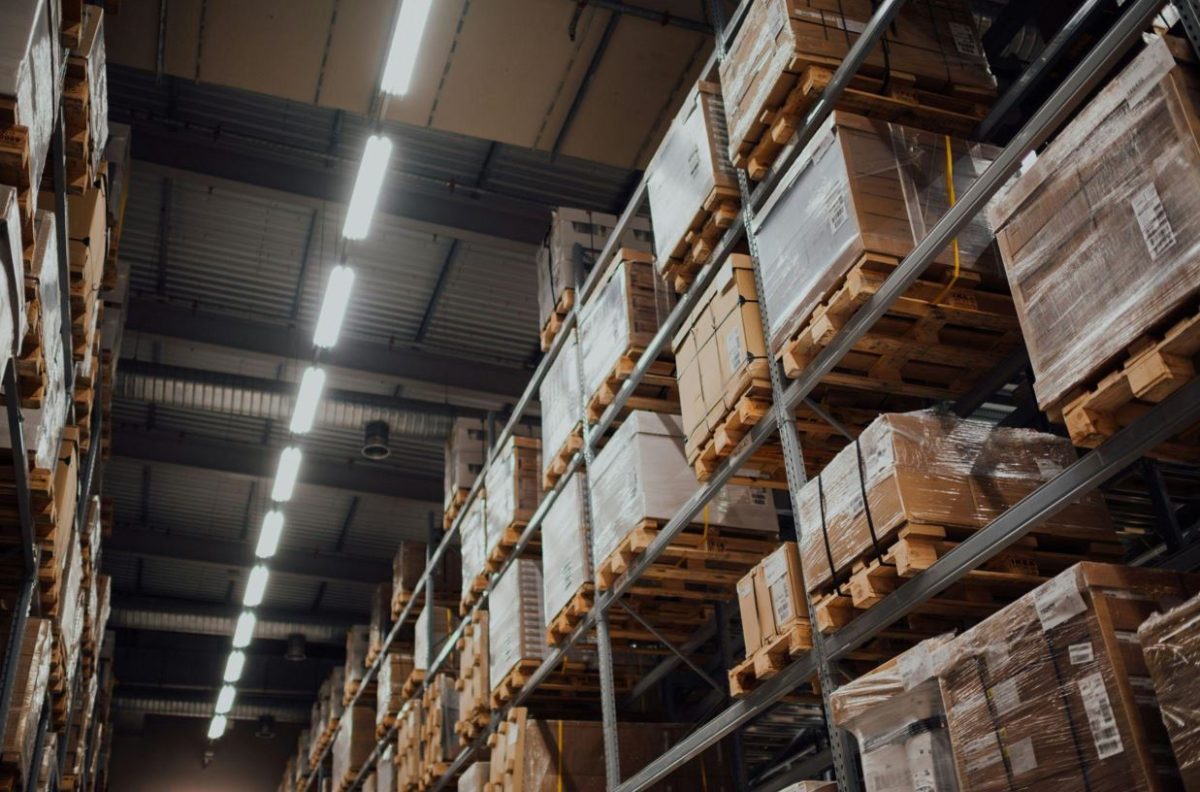
Maintenance plays a central role in keeping logistics operations stable and predictable. Warehouses, transport fleets, and handling equipment are all subject to continuous use, making them vulnerable to wear and failure if not properly maintained. Reactive maintenance, waiting until something breaks, often leads to delays, higher repair costs, and disruptions across the entire supply chain.
Predictive and preventative maintenance strategies offer a more effective alternative. Studies show that predictive maintenance can reduce costs by up to 30–40% compared to reactive approaches, while also improving reliability. This shift allows companies to address issues before they escalate, minimizing downtime and maintaining consistent operational flow.
In logistics, where timing is critical, even small improvements in equipment reliability can translate into significant gains. Regular inspections, cleaning, and system monitoring ensure that operations remain efficient and reduce the likelihood of unexpected disruptions.
The Role of Cleaning and Equipment Upkeep
Cleaning is often overlooked as a performance factor, yet it has a direct impact on how efficiently logistics systems operate. Dust, debris, and residue can interfere with machinery, reduce accuracy in automated systems, and create safety risks in high-traffic environments.
Using specialized solutions such as a commercial pressure washer for rental companies supports consistent cleaning of equipment, vehicles, and operational spaces. In environments where grease, dirt, and buildup accumulate quickly, maintaining clean surfaces helps equipment function more effectively and reduces wear over time.
Clean environments also improve workflow efficiency. When floors, loading areas, and machinery are well-maintained, movement becomes smoother and safer. This reduces the risk of delays caused by accidents or equipment malfunctions, reinforcing the connection between maintenance and overall logistics performance.
Energy Efficiency as a Performance Driver
Energy is a critical but often underestimated component of logistics efficiency. Warehouses, transportation systems, and distribution centers consume large amounts of energy, and inefficient usage can significantly increase operating costs.
Research shows that energy sustainability is a key driver of logistics performance, particularly as companies work toward more efficient and environmentally responsible supply chains. By optimizing energy use, organizations can reduce waste while maintaining high levels of productivity.
Energy-efficient systems, such as optimized lighting, temperature control, and equipment usage, help lower operational costs and improve consistency. These improvements also support long-term sustainability goals, which are becoming increasingly important in modern logistics strategies.
Integrating Renewable Energy Solutions
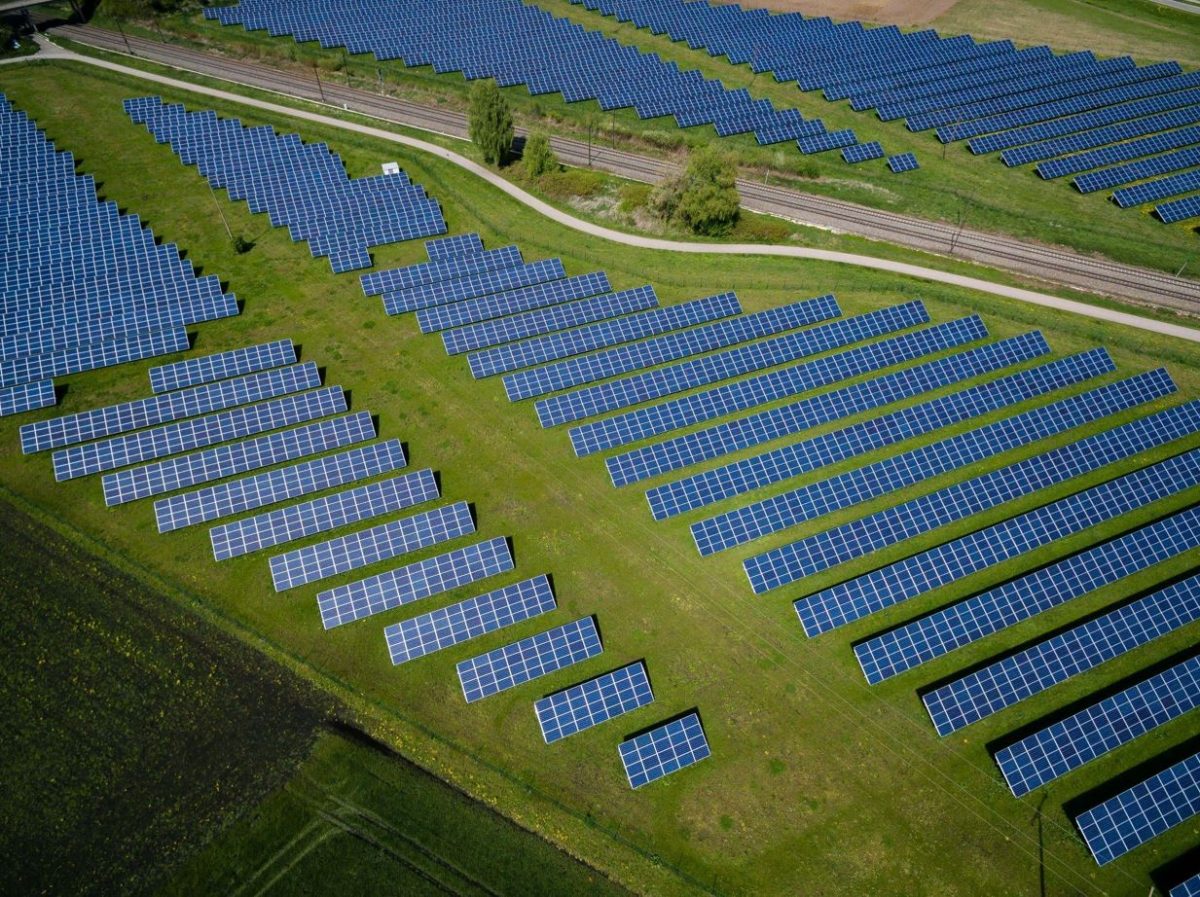
Renewable energy is becoming an important part of logistics infrastructure, particularly as companies look to reduce dependence on traditional energy sources. Solar power, in particular, offers a scalable solution for warehouses and distribution centers that require consistent energy supply.
Solutions available through The Solar Store reflect how renewable systems can be integrated into logistics operations to support energy independence and cost stability. Solar installations can help offset energy consumption, especially in facilities with large roof areas or high daytime energy use.
Integrating renewable energy does more than reduce costs, it also improves resilience. Facilities that generate their own energy are less affected by fluctuations in energy prices or supply disruptions, making logistics operations more stable over time.
The Connection Between Maintenance and Energy Use
Maintenance and energy efficiency are closely linked. Poorly maintained equipment often consumes more energy, as systems must work harder to perform the same tasks. For example, clogged filters, worn components, or inefficient machinery can increase energy demand while reducing output.
By maintaining equipment properly, organizations can ensure that systems operate at optimal efficiency. This reduces unnecessary energy consumption and extends the lifespan of assets. In turn, lower energy usage contributes to cost savings and more sustainable operations.
This relationship highlights the importance of viewing maintenance and energy management as part of a single strategy rather than separate functions. When aligned, they reinforce each other, creating a more efficient and reliable logistics system.
Digital Maintenance and Smart Monitoring
Advancements in technology have introduced new ways to monitor and manage both maintenance and energy usage. Digital systems can track equipment performance in real time, identify inefficiencies, and provide insights that support better decision-making.
ICT-based maintenance systems, for example, allow companies to detect irregularities early and optimize maintenance schedules. Research shows that these digital approaches, combined with sustainable logistics practices, have a measurable positive impact on business performance.
Smart monitoring also extends to energy management. Sensors and analytics tools can identify areas of high consumption, allowing organizations to adjust usage and improve efficiency. This level of visibility makes it easier to maintain consistent performance across complex logistics networks.
Building a More Resilient Logistics System
Efficient logistics systems are not defined by speed alone, they are defined by their ability to maintain performance under changing conditions. Maintenance and energy solutions play a critical role in building this resilience, ensuring that operations can adapt to fluctuations in demand, environmental factors, and operational challenges.
Infrastructure maintenance, for example, is essential for preserving transport networks and supporting economic productivity over time. Without consistent upkeep, even well-designed systems can degrade, leading to reduced efficiency and higher costs.
By combining proactive maintenance, energy optimization, and modern technology, organizations can create logistics systems that are both efficient and adaptable. This integrated approach allows for continuous improvement rather than reactive problem-solving.
Rethinking Efficiency in Modern Logistics
The definition of efficiency in logistics is evolving. It is no longer just about moving goods quickly, it is about maintaining a system that operates smoothly, sustainably, and reliably over time. Maintenance and energy solutions are central to this transformation, providing the foundation for consistent performance.
Organizations that prioritize these areas are better equipped to handle the demands of modern supply chains. They experience fewer disruptions, lower operating costs, and greater flexibility in adapting to new challenges. As logistics continues to evolve, the integration of maintenance and energy strategies will remain a key factor in achieving long-term operational success.
 WALLIX named “Challenger” for the first time in the Gartner® 2021 Magic Quadrant™ for Privileged Access Management
 Motorcycle Volunteers Deploy Microlise SmartPOD Technology To Bolster Humanitarian Work
 3 Things to Consider When Arranging Infrastructure for Modern Tech Trade Shows
 PayGo Ensures High Availability of SQL Server in the AWS Cloud with SIOS DataKeeper
 Marelli boosts supply chain reactivity as it furthers partnership with o9
 ERIKS collaborates with Ultimaker to Scale Up 3D Printing Capacity for OEM and MRO Industries