

Robots are no longer limited to science fiction or highly specialized factories. Today, automation systems are transforming industries, improving efficiency, and helping people solve complex challenges in manufacturing, healthcare, logistics, agriculture, and beyond. As technology advances, businesses and investors are paying closer attention to how robotics can shape the future of work and everyday life.
The growing interest in robotics funding news reflects a major shift in how investors view automation. Instead of focusing only on machines that perform repetitive tasks, funding is increasingly supporting intelligent robots powered by artificial intelligence, advanced sensors, and adaptive software. Understanding these developments can help you see how robotics is evolving and why it matters across the global economy.
Why Robotics Funding Is Accelerating Around the World
Investment in robotics is increasing because companies are looking for practical solutions to modern challenges. Labor shortages, rising operational costs, and the need for greater efficiency are encouraging organizations to explore automation.
Several key factors are contributing to this growth:
- Artificial intelligence advancements: AI enables robots to analyze information, recognize patterns, and respond more effectively to their surroundings.
- Demand for productivity improvements: Businesses are adopting automation to increase accuracy, reduce errors, and optimize workflows.
- Need for safer workplaces: Robots can handle dangerous or physically demanding tasks, reducing risks for human workers.
Industrial robot installations have reached record levels in recent years, with hundreds of thousands of new units being deployed annually. More than four million industrial robots are now operating worldwide, highlighting how automation has become an increasingly important part of modern manufacturing and production.
This growth demonstrates that robotics is moving from experimental technology into a practical business investment. Companies are increasingly viewing automation as a long-term strategy for improving operations and remaining competitive.
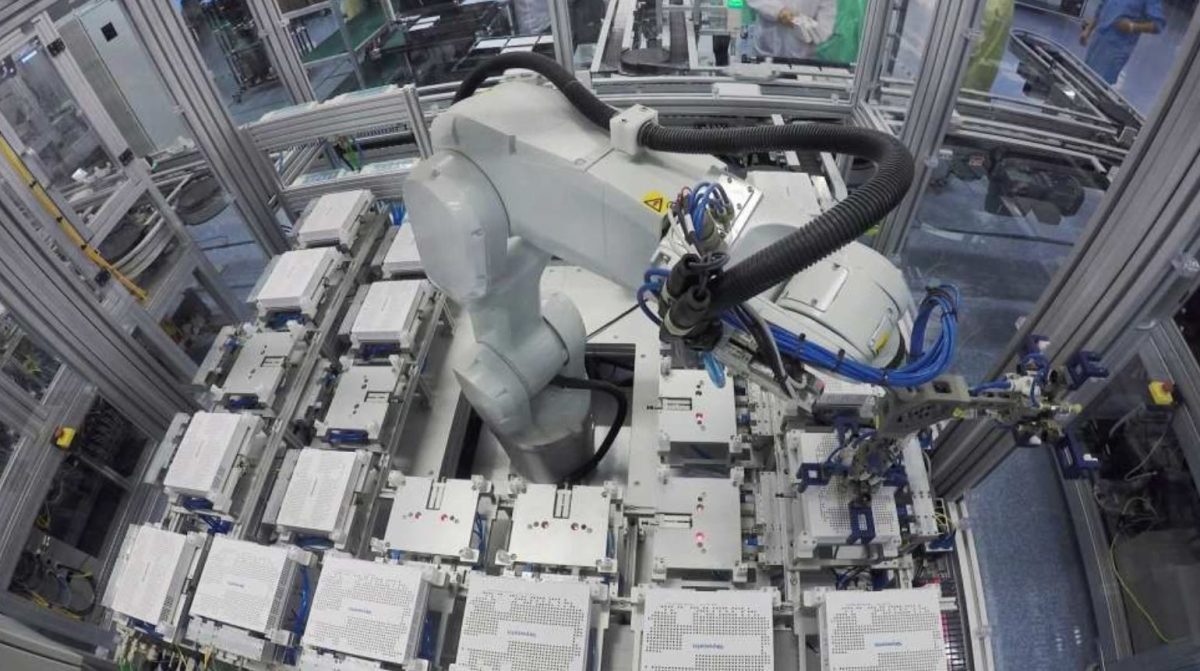
Robotics Funding News Highlights the Rise of Intelligent Automation
Recent venture capital and corporate investments have increasingly focused on autonomous mobile robots (AMRs), warehouse automation, humanoid robots, healthcare robotics, agricultural automation, and AI-enabled robotics software. These areas are attracting attention because they address growing demand for automation across industries while expanding the capabilities of robotic systems.
Traditional robots were often designed for specific tasks in controlled environments. New-generation robots are different. They can adapt to changing conditions, communicate with other systems, and support human workers in more flexible ways.
Modern robotics investments are increasingly directed toward areas such as:
| Robotics Technology | Examples of Use | Value Created |
| Industrial automation | Assembly, manufacturing, inspection | Higher accuracy and efficiency |
| Autonomous robots | Warehouses, delivery systems, transportation | Faster and more organized operations |
| Healthcare robotics | Surgical assistance, rehabilitation support | Improved medical capabilities |
| Agricultural robots | Crop monitoring and harvesting | More efficient farming processes |
| AI-powered robotics | Inspection, warehouse automation, humanoid assistants, autonomous navigation | Greater adaptability |
These developments show that robotics is becoming less about replacing manual activities and more about creating tools that help people work more effectively.
How Robotics Is Transforming Key Industries
Manufacturing: Building Smarter Factories
Manufacturing has been one of the earliest adopters of robotics. Factories use robots for tasks including welding, packaging, quality inspection, and material handling.
A major trend is the growth of collaborative robots, often called cobots. Unlike traditional industrial machines that operate separately from employees, cobots are designed to work alongside people. They can handle repetitive tasks while allowing workers to focus on areas requiring creativity, decision-making, and technical expertise.
Smart factories are also using connected robotics systems that collect and analyze operational data. This allows companies to identify problems earlier, improve maintenance schedules, and reduce downtime.
Healthcare: Supporting Better Patient Care
Robotics is also making a significant impact in healthcare. Robotic systems can assist medical professionals during procedures, support rehabilitation, and improve precision in complex tasks.
For example, robotic-assisted surgical systems allow doctors to perform certain procedures with enhanced control and accuracy. Rehabilitation robots can also help patients regain movement and improve physical therapy outcomes.
The growth of healthcare robotics demonstrates how automation can support professionals rather than simply replace existing processes.
Logistics and Supply Chains: Improving Efficiency
The expansion of online commerce has increased demand for faster and more reliable delivery systems. Robotics plays an important role in modern warehouses by helping companies sort, move, and organize products.
Autonomous mobile robots can transport goods within facilities, reducing manual workloads and improving workflow efficiency. These systems are especially valuable in large-scale operations where speed and accuracy are essential.
What You Can Learn From the Growth of Robotics Investment
Whether you work in technology, business, education, or another field, understanding robotics trends can help you prepare for future changes.
Here are some practical ways to stay informed:
- Learn about emerging technologies.
Understanding artificial intelligence, automation, and robotics can help you recognize new opportunities. - Develop adaptable skills.
Skills involving problem-solving, creativity, communication, and technology awareness remain valuable as workplaces evolve. - Follow reliable industry information.
Research reports, technology publications, and expert analysis can help you better understand robotics developments. - Consider the human role in automation.
The most successful robotics applications often combine machine capabilities with human expertise.
The future of automation will depend not only on technological progress but also on how responsibly organizations introduce and manage these systems.
Challenges and Considerations in Robotics Adoption
Although robotics offers many benefits, adoption also comes with challenges. Companies must consider costs, employee training, cybersecurity, and ethical concerns.
Robots require regular maintenance and updates to remain effective. Organizations also need skilled workers who can operate, manage, and improve automated systems.
Responsible implementation is essential. Successful automation should focus on improving productivity while creating safer and more supportive environments for people.
The Future of Next-Generation Automation
The continued growth of robotics investment suggests that automation will become an increasingly important part of the global economy. From smarter factories to advanced healthcare solutions, robots are expanding into areas where they can provide meaningful support.
As investors continue funding innovation, robotics is expected to become more accessible, intelligent, and integrated into a wider range of industries and some aspects of everyday life as technology advances. CGTN has reported on the growing investment in robotics and the expanding adoption of automation across industries, reflecting the sector’s continued development. By staying informed about robotics funding news and understanding how these technologies work, you can better prepare for the opportunities and changes ahead.
Automation is not just about machines; it is about creating new possibilities for people, industries, and communities around the world.
 Factors to consider when buying your first welding machine
 Blue Yonder Closes Doddle Acquisition, Redefining Profitable & Sustainable Reverse Logistics & Returns Management
 Avoiding arbitrage – the importance of web performance in forex
 Webfleet’s new cold chain solution helps refrigerated fleets transport goods at the right temperature
 Softil’s BEEHD Technology Chosen for PyeongChang 2018 LTE-R Communication Terminals
 “One Company, One Brand” – Pomeroy is rebranded to Getronics