

Choosing the right plate-loaded gym machines is one of the most important decisions a gym owner or serious home gym builder can make, and getting it right the first time requires a clear understanding of the training goals, space constraints, and budget available, which is why working with an experienced supplier like Factory Weights can make a meaningful difference to the quality of the outcome.
Defining Your Training Goals Before Choosing Equipment
The starting point for any gym equipment selection process should be a clear definition of the training goals that the equipment needs to support. A home gym set up primarily for hypertrophy training has different requirements from one designed around powerlifting or general fitness, and the plate-loaded machines that best serve each goal are not necessarily the same.
For hypertrophy-focused training, machines that allow a full range of motion, maintain consistent tension throughout the movement, and enable slow, controlled repetitions are the priority. For strength-focused training, the emphasis shifts to machines that allow very heavy loading, have minimal mechanical flex under load, and provide a movement pattern that transfers well to the competition lifts or the specific movement patterns being trained.
Assessing Your Available Space for Plate-Loaded Equipment
Space assessment is a practical prerequisite that should be completed before any purchase decisions are made. Plate-loaded machines tend to have a slightly larger total footprint than their pin-loaded equivalents when the plate-loading area is included, because the horns or pegs on which the plates are stored extend outward from the main frame and require clearance for safe loading and unloading.
Measure the available floor area carefully and mark the positions of the proposed machines on the floor using tape or a scale drawing, including the working zones required for each exercise. Consider whether the door or access point to the gym space is wide enough to accommodate the largest machine you intend to purchase, as some commercial-grade plate-loaded machines have frames wider than a standard domestic doorway and may require disassembly for installation.
Prioritising the Most Impactful Machines for Your Budget
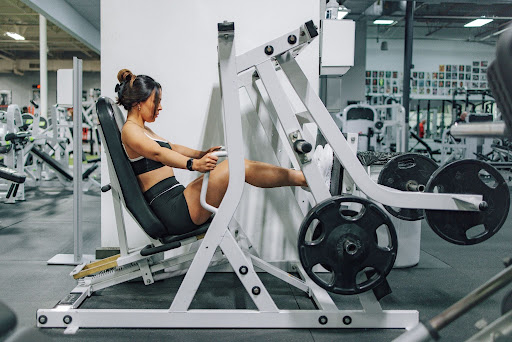
With plate-loaded equipment, as with all gym investment, the most effective approach is to prioritise the machines that deliver the greatest training impact relative to their cost and footprint. For most strength-focused gym owners, a plate-loaded leg press delivers more training value per pound of investment than almost any other single machine, as the lower body is the largest muscle group and the leg press allows it to be trained safely and heavily without the technical demands of the squat.
A plate-loaded chest press or incline press is the next priority for upper-body pushing development, and a row or pulldown machine for the back completes the upper-body compound movement coverage. These three machines together provide a comprehensive foundation for full-body strength training that can be built upon incrementally as budget allows.
Evaluating Machine Quality: What the Specifications Tell You
The technical specifications of a plate-loaded machine contain important clues about the quality of construction and the unit’s likely performance and durability. The gauge of the steel used in the frame is a key indicator of structural rigidity, with thicker gauge steel providing a more solid feel under heavy loads and greater resistance to flex and vibration. Bearing type and quality affect the smoothness of the movement, with sealed roller or needle bearings generally providing a more consistent feel than plain bush bearings over the life of the machine.
Maximum load ratings should exceed the heaviest load you intend to use by a meaningful margin to ensure the machine is not operated close to its design limits during normal training use. The overall weight of the machine is also a useful proxy for build quality, as heavier machines generally indicate more substantial frame construction.
Practical Considerations: Delivery, Installation, and Ongoing Support
The practical aspects of purchasing plate-loaded gym equipment extend beyond the selection and payment process. Delivery of commercial-grade machines typically requires either a specialist fitness equipment delivery service or a general freight service with appropriate lifting capability, as individual machine components can be extremely heavy and awkward to handle. Confirm with the supplier whether delivery includes kerbside drop-off or room-of-choice placement, as the difference is significant for heavy equipment going into a basement or upstairs room.
Assembly requirements vary between machines and suppliers, with some units arriving fully assembled and others requiring significant on-site work. Check whether assembly instructions are included and whether a professional assembly service is available from the supplier if needed. Ongoing technical support and access to spare parts are important factors in the long-term ownership experience and should be confirmed before purchase.
Building a Plate-Loaded Gym That Lasts
A plate-loaded gym built around well-chosen, quality machines from a reputable supplier should provide decades of effective training with appropriate maintenance. The key to long-term satisfaction is matching equipment to users’ actual training needs rather than purchasing based on aesthetics or brand recognition alone. Machines that are used regularly and are well matched to the training programme will provide a return on investment that far exceeds the initial purchase cost over their service life.
Taking the time to plan the gym thoroughly before purchasing, seeking advice from experienced fitness professionals where needed, and choosing a supplier with a strong track record in the UK market are the foundations of a plate-loaded gym setup that will serve its users well for many years to come.
 Overcoming counterfeits once and for all
 HZ Logistics invests in Durite Driver Monitoring System to enhance driver safety & wellbeing
 Postal voting fraud: is Trump right to be concerned & could it happen in the UK?
 Why your business needs a cloud-based payroll solution
 Loftware Brings Together Over 2,100 Supply Chain & Labeling Professionals at Annual Convergence Conference
 Focus on efficient energy supply