

Packaging costs are climbing, and compliance headaches are multiplying. The EU’s Packaging and Packaging Waste Regulation began applying on August 12, 2026, forcing brands to supply SKU-level material data. Type “packaging procurement consultant” into Google and you’ll still see marketplaces and supplier ads, not evidence-based advisers. This guide fills that gap: it compares seven consultants on published savings, sustainability depth, and commercial transparency so you can confidently shortlist two or three partners.
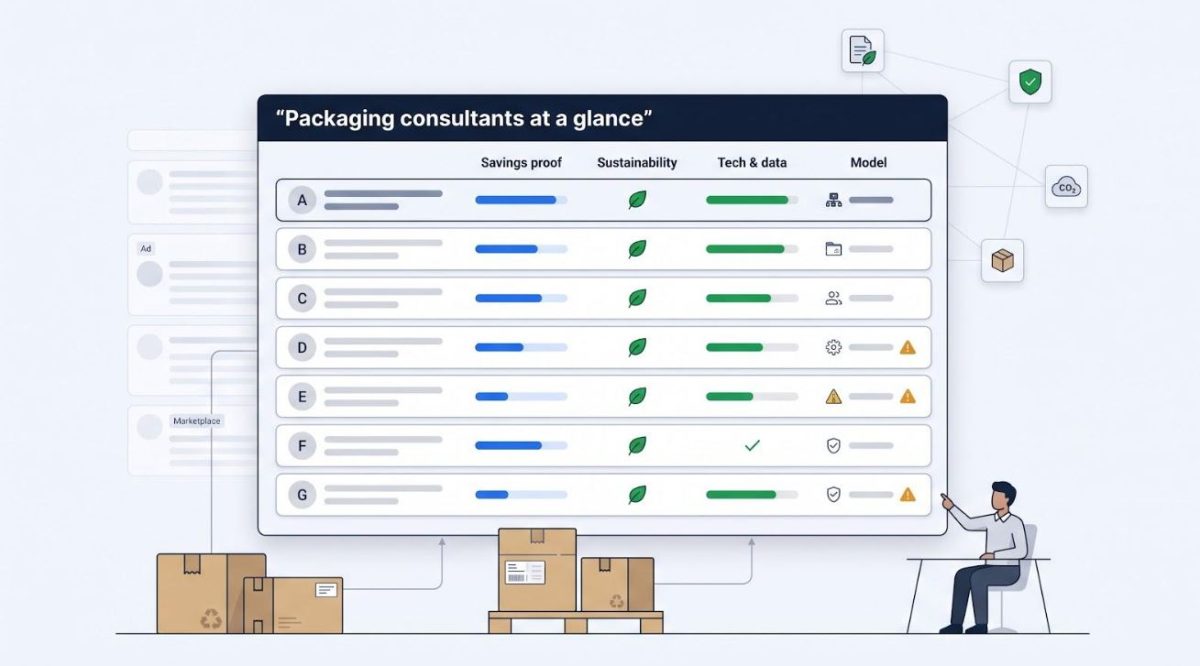
Best packaging procurement consultants at a glance
If you need a quick briefing sheet, share this one-page snapshot or keep it open during your next vendor-selection call. The snapshot distils the comparison into seven buyer questions: fit, evidence, sustainability depth, technology, geographic reach, commercial model, and, most important, the fine print you should challenge in a first meeting.
| Consultant | Best for | Provider type | Public savings proof* | Sustainability depth | Technology & data | Coverage | Cost model | Main limitation |
| Zenpack | Integrated, high-SKU systems | Advisory + managed manufacturing | 20 percent packaging cost cut, 30 percent labour saving (T3 Micro) | FSC Chain-of-Custody, Butterfly Mark | Spec library, 3-D prototyping, quality assurance | United States & Asia; consumer electronics, beauty, DTC | Quoted per programme, design through production | Not fully vendor-neutral |
| Packfora | Pure-play global specialist | Consulting only | 30 percent FMCG cost cut; 500 to 1,000 bps across engagements | Sustainability practice; carbon and material reduction claims | Should-cost modelling, spec management, MaxMold | 21+ countries | Consulting or Talent Flex model | Many cases anonymised |
| Procurepak | FMCG cost optimisation | Boutique consultancy | 10–25 percent average cut in 3–6 months (self-reported) | Specification review | Spend mapping, spec review | Netherlands; food, personal care, health and beauty | Audit, programme or retained advisory | Pricing not published |
| NTT DATA | Freight, damage & data fixes | Engineering & supply-chain firm | > $600 k annual saving, 133 loads removed | Foam removal, CO₂ reduction cases | Packaging engineering, pack-out redesign | Global; retail, CPG | Custom projects | Stronger in engineering than RFQs |
| Kearney | Enterprise strategy | Management consultancy | 5–15 percent typical programme savings | Sustainability inside strategy work | Analytics-led sourcing | Global; CPG, pharma | Transformation projects | Few packaging-only cases |
| GEP | Tech-enabled sourcing | Consulting + SaaS + managed services | $25 M packaging saving (500-store grocer) | ESG tracking and reporting | GEP SMART platform, e-auctions | 27 offices worldwide | Consulting + software subscription | Price the bundle carefully |
| ERA Group | Success-fee model | Independent network | £2.8 M saved for Camira Fabrics over ten years, mostly logistics | Sustainability listed as a cost category | SpendVue cost intelligence | 50+ countries | Shared-savings | Baseline definitions critical |
Savings are provider-reported unless noted. Treat single-project wins as proof points, not portfolio averages.
Use the matrix to pair your top concern with two or three likely partners, then read on for detailed strengths, evidence, and red-flag checks.
How the seven firms were selected
The shortlist started with published case studies, company documents, and trade-press coverage, then passed through three filters.
Ground rules
A contender had to show packaging-specific procurement or engineering depth, publish evidence of implemented savings, and guide clients through 2026 rules such as EPR and PPWR. Pure design studios and software-only platforms were out. Manufacturers that also advise qualified only where they publish implemented results and are open about earning a production margin.
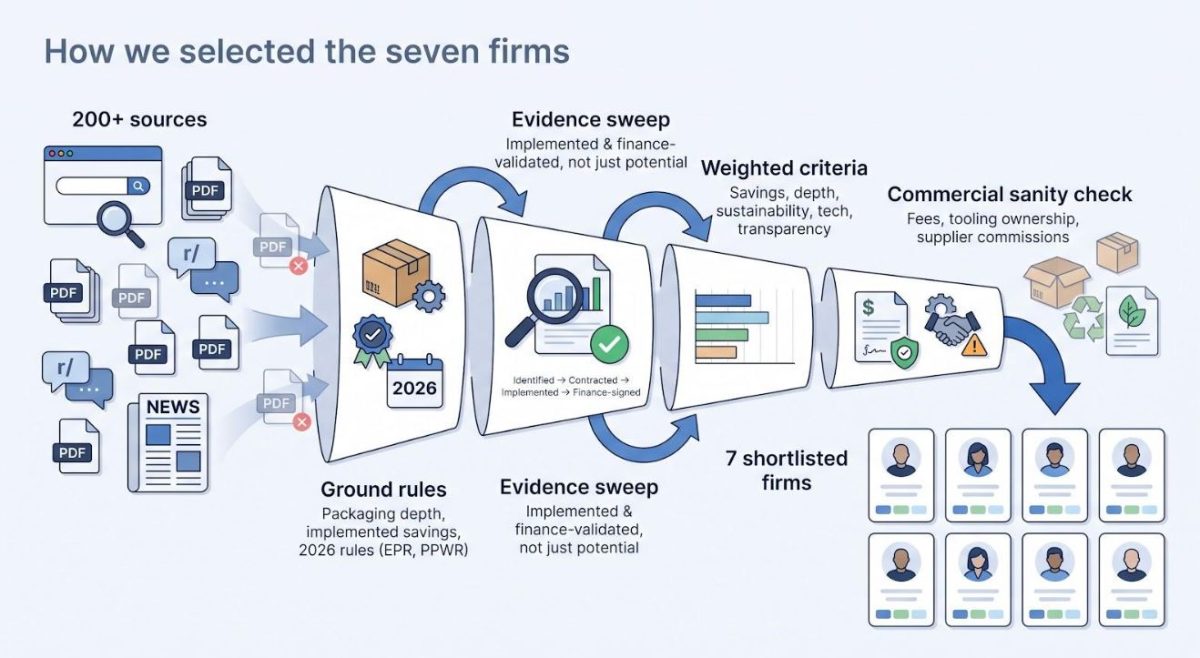
Evidence sweep
Every published case was tagged by savings stage: identified, contracted, implemented, or finance-validated. Anything that stalled at potential was dropped. Seven firms made it through.
Weighted criteria
- 25 percent public, realised-savings proof
- 20 percent packaging-category depth
- 15 percent sustainability and regulatory strength
- 10 percent geographic reach
- 10 percent vertical know-how
- 10 percent technology and data skill
- 5 percent commercial transparency
- 5 percent thought leadership
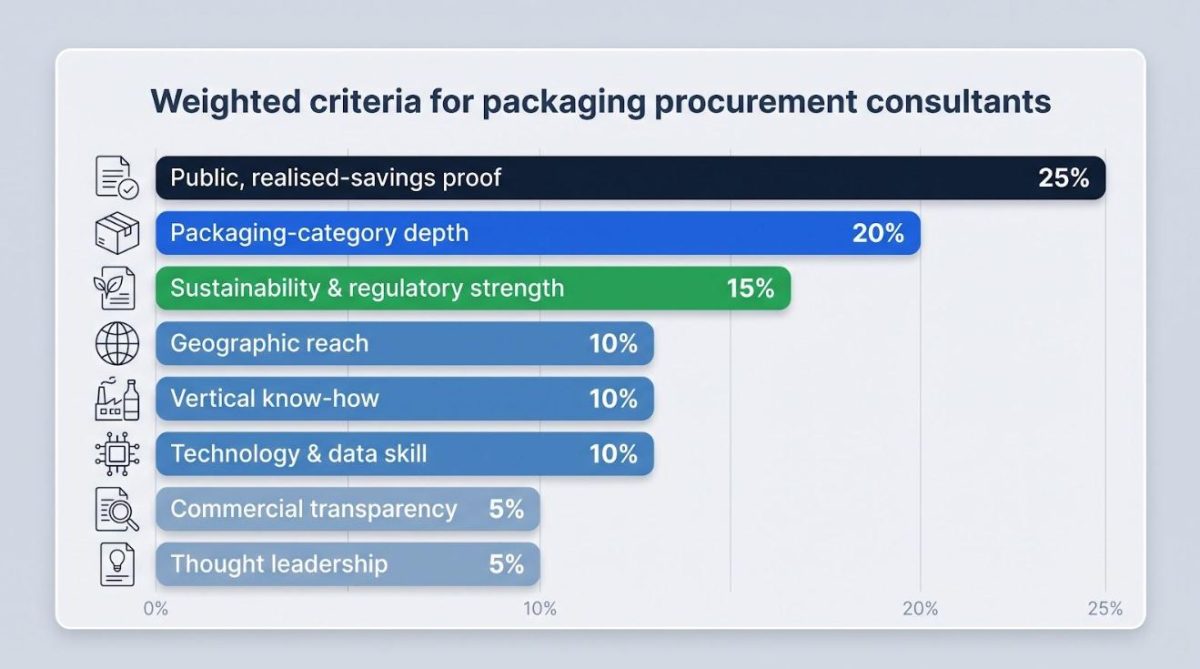
No single rank is published, because a number tempts readers to chase the “highest score” instead of the right fit. Each firm is introduced by the problem it solves best.
Commercial sanity check
The last filter reviewed fee triggers, tooling ownership, and any supplier-commission risk. Success-fee promises can fall apart if “savings” really means cost avoidance.
That is the filter your shortlist deserves. Here is each consultant.
1 Zenpack: Best for integrated packaging systems
Who Zenpack serves best
Zenpack is the partner you call when packaging complexity slows every launch. Think dozens of near-identical dielines, factories on two continents, and pallets that never quite cube out. For beauty, consumer-electronics, and other high-SKU brands, those frictions burn cash and time. Zenpack solves the entire knot in one engagement, blending strategy, structural engineering, manufacturing, and fulfillment into a single packaging system. Locking specifications, tooling, and QC before the first PO can shave weeks off a launch and curb freight, labor, and damage costs.
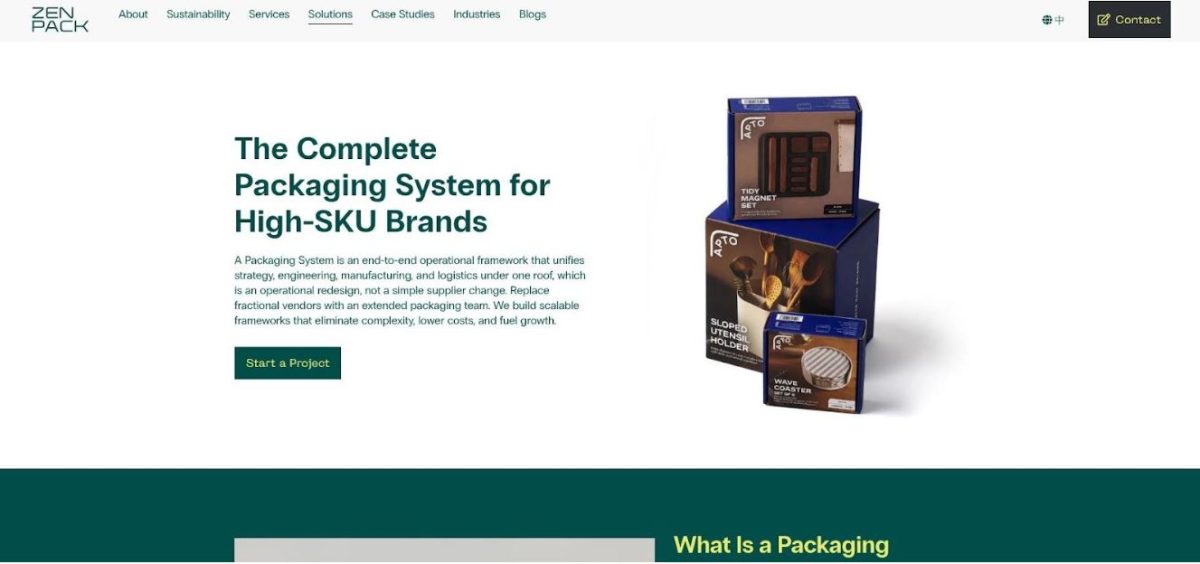
Zenpack integrated packaging system page screenshot
Why Zenpack made the cut
Managing the full value chain, from dieline to doorstep, lets Zenpack find savings a sourcing-only adviser misses. In the T3 Micro project, Zenpack standardised design files, process guidelines, and structural elements and consolidated the paper source across T3’s manufacturing network. Zenpack reports a 20 percent cut in packaging cost, a 30 percent saving on labour from standardised dielines, and new distribution with retailers like Costco that demand channel compliance.
Sustainability is audited, not self-declared: Zenpack holds an FSC Chain-of-Custody certificate and the Positive Luxury Butterfly Mark. A San Jose, California, headquarters, offices in Taiwan and mainland China, and a managed multi-factory production network give global reach without extra hand-offs.
Watch-outs, commercial model, and verdict
Because Zenpack also manufactures, insist on transparency around factory selection, conversion pricing, and any rebates that flow back. Clarify who owns tooling, colour standards, and master dielines so you can re-quote later if strategy changes.
Pricing is quoted per programme and runs from design through production. That structure can beat the total cost of hiring separate design, engineering, and sourcing vendors, but only if you track landed cost, damage, inventory, and labour after the switch.
Choose another consultant if you want a fast, vendor-neutral RFQ. Choose Zenpack if one accountable system is the quickest route to lower SKU, freight, and rework costs.
2 Packfora: Best pure-play global packaging consultancy
Who Packfora serves best
Packfora is built for brands whose packaging headaches cross borders and business units. Think multinational FMCG portfolios chasing Europe’s recycled-content targets, QSR chains budgeting for new US EPR fees, or pharma teams that need SKU-level material data for regulators and LCA dashboards. If you juggle dozens of contract manufacturers, ship to several continents, and field questions every day from sustainability, marketing, and finance, Packfora speaks your language.
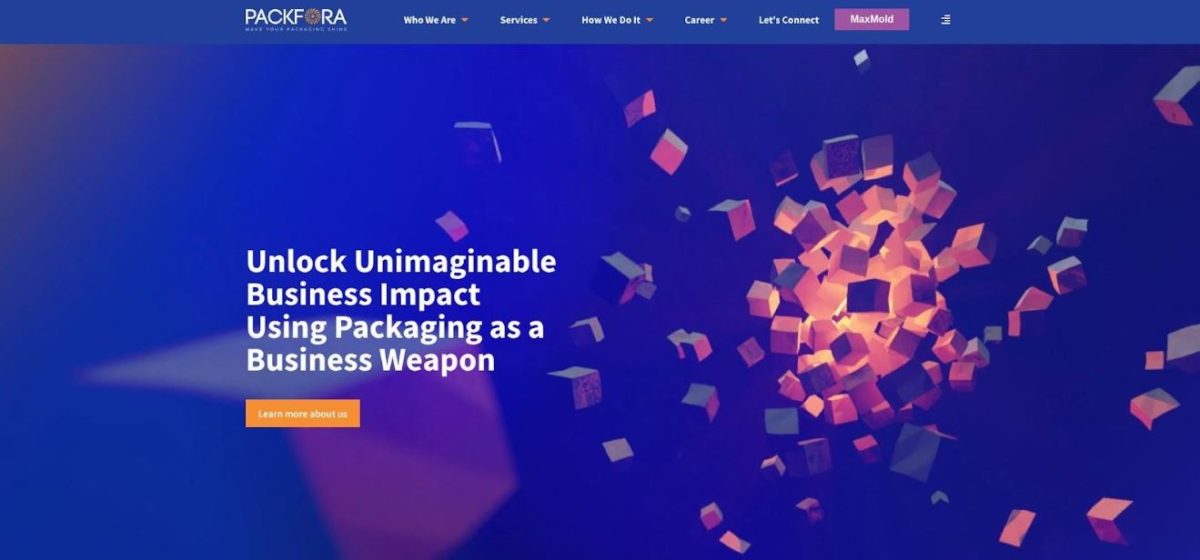
Packfora global packaging consultancy homepage screenshot
The firm is consultancy first (no production margin, no marketplace commission), so procurement teams get advice uncoloured by factory ownership or software quotas.
Why Packfora made the cut
According to a Packfora case study, an FMCG project cut packaging cost by 30 percent and moved from brief to commercial roll-out in four months. Across its engagements Packfora reports savings of 500 to 1,000 basis points, 150-plus experts, and work in more than 21 countries.
Sustainability is a named practice, sitting alongside should-cost modelling, specification management, supply-chain automation, packaging procurement, and MaxMold, its mould-lifecycle platform. Ask what deliverables the sustainability practice prices, for example SKU-level material data for EPR and PPWR filings, rather than accepting vague “support.”
Should-cost modelling and specification management let teams test lightweighting or mould changes before supplier RFQs go live, keeping negotiations tied to verifiable economics.
Because Packfora sells advice only, with no software licence tie-in and no factory margin, clients get a clear view of trade-offs. The flip side: you must execute the sourcing events the analysis recommends.
Watch-outs, commercial model, and verdict
Objectivity shifts implementation risk to you. Line up internal engineering time, budget for tooling tweaks, and guide suppliers through new specs, or add a second workstream to cover delivery.
Packfora does not publish its fee structure. Talent Flex places its specialists inside your team when capacity is the gap; ask for the commercial model for both routes in the first call.
Three questions to settle in kickoff calls:
- Can Packfora provide finance-signed references confirming realised, not identified, savings?
- How does it keep your specification data confidential across multiple clients?
- What hand-over milestones prevent a stall between design approval and first commercial order?
Get those answers, and Packfora delivers a rare mix of procurement rigour, engineering nuance, and regulatory foresight, ideal for multinationals that need one narrative from marketing deck to audit trail.
3 Procurepak: Best boutique for FMCG cost optimisation
Who Procurepak serves best
Procurepak is laser-focused on packaged food, personal-care, and household staples, categories where a few cents per unit can make or break the P&L. Brands with tight promotion cycles and sudden raw-material spikes call this Netherlands-based firm for focused fixes: spend mapping, specification review, and supplier negotiations that do not alarm marketing.
Why Procurepak made the cut
Speed and focus show up in the numbers Procurepak publishes: an average cost reduction of 10 to 25 percent, a typical three to six months to results, and more than 50 projects delivered for FMCG brands. Treat those as self-reported until a reference confirms them.
Specification review runs alongside sourcing, so material and format changes land in the same programme as the negotiations instead of in a separate R&D queue.
Commercial model and engagement options
- Audit: a structured assessment of packaging spend, supplier portfolio, and procurement processes
- Cost optimisation programme: end-to-end execution, from spend mapping and specification review to supplier negotiations
- Retained advisory: an extension of your packaging and procurement function
Pricing is not published. Confirm the fee basis and whether any supplier commissions apply before you sign.
Watch-outs and verdict
A boutique bench means capacity is finite, so lock key personnel into the statement of work and run weekly cadence reviews to keep momentum. Choose Procurepak if you want double-digit savings on a clock that ticks in weeks; look elsewhere if you need a broad, multi-category transformation.
4 NTT DATA: Best for packaging engineering and logistics savings
Who NTT DATA serves best
Pick NTT DATA when the invoice you dread is the freight bill, not the carton quote. Mixed pallets that never cube out, damage spikes during peak season, and ERP master data riddled with bad dimensions are its favourite problems to solve.
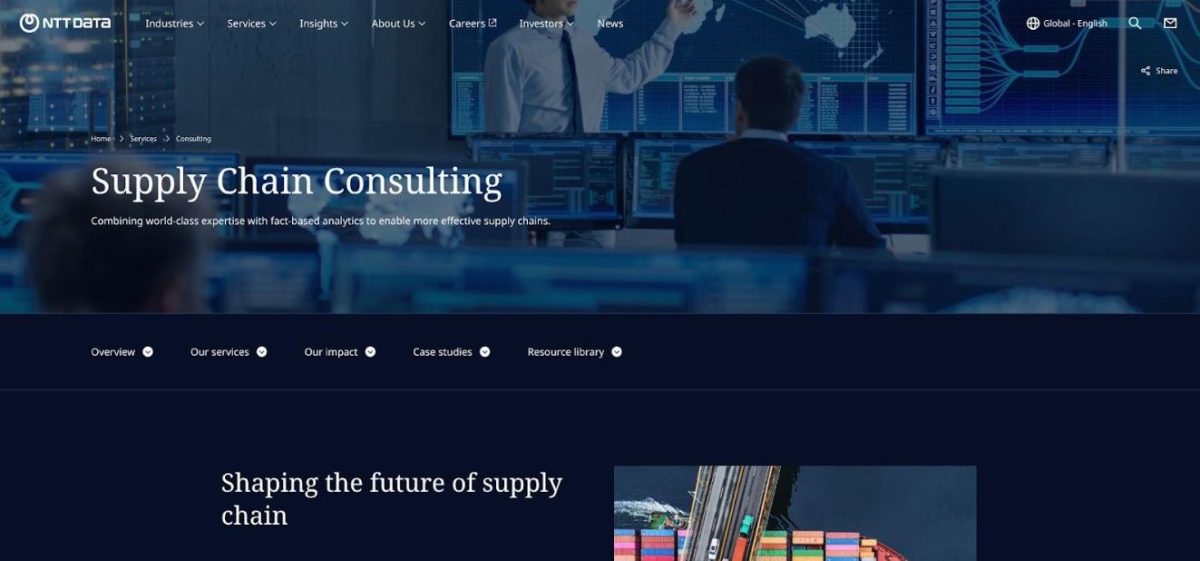
NTT DATA packaging optimization and logistics consulting page screenshot
NTT DATA reports that a frozen-pizza client cut 133 truckloads and saved more than $600 000 a year after the firm reduced primary-pack dimensions by just 4 percent. Another project identified $750 000 in annual material savings and freed 20 percent of line-side space by removing excess foam.
Why NTT DATA made the cut
NTT DATA treats packaging as a physics problem first and a sourcing problem second. Its packaging optimisation practice starts with the data, because bad dimensions inflate volumetric weight and blind TMS software to consolidation opportunities. Fix the data and cube utilisation often jumps without touching a supplier contract.
Next comes packaging redesign and testing. The Whisker project removed 180 000 cubic feet of foam and unlocked three-quarter-million dollars in savings. Finally, supply-chain designers recut pallet patterns and trailer mixes so SKU velocity matches slotting plans, eliminating 100 tons of CO₂ alongside that $600 000 cost reduction for the pizza brand.
Commercial model
NTT DATA does not publish packaging-project pricing. Expect scoped projects (data cleanse, pack-out redesign, line trials) rather than a percentage-of-savings model, and confirm that in the proposal.
Watch-outs and verdict
- Confirm whether supplier RFQs and should-cost negotiations are included; core strength is engineering, not commodity bidding.
- Validate on-site testing capacity in each geography.
- Make sure post-implementation monitoring is scoped; freight gains can slip as product mix changes.
Choose NTT DATA if cube, weight, and damage costs dwarf your carton price and you need hard engineering fixes more than a sourcing sprint.
5 Kearney: Best for enterprise strategy
Who Kearney serves best
Kearney is the call when packaging spend touches almost every business lever, from regional category strategy to board-level cost targets. Global CPG and pharma giants lean on its broad strategy bench to link packaging moves to marketing calendars, plant networks, and M&A models.
Why Kearney made the cut
Kearney’s procurement practice says its sourcing and optimisation programmes typically deliver 5 to 15 percent cost savings, and packaging sits inside that broader direct-materials work rather than in a standalone offer.
Breadth is the draw. Kearney pairs category strategy with analytics, so packaging moves are tied to plant networks, marketing calendars, and board-level cost targets instead of being run as a one-off bid.
Watch-outs, commercial model, and verdict
Kearney excels at board-level transformation, so smaller, tactical projects can feel pricey. Few packaging-only references are public, so ask for fresh, finance-signed proof before committing.
Projects run under classic management-consulting fee structures, often tied to broader supply-chain or digital-transformation mandates.
Pick Kearney if you need packaging savings woven into enterprise strategy, not a single-category sprint. Look elsewhere if you want recent, packaging-only case studies you can call tomorrow.
6 GEP: Best for tech-enabled sourcing
Who GEP serves best
Global procurement teams that want one platform to run sourcing events, track Scope 3 emissions, and manage supplier performance pick GEP. If your packaging spend sits inside a broader direct-materials programme and you need the same AI analytics your indirect categories already enjoy, GEP offers that single pane of glass.
Why GEP made the cut
A published GEP case shows a supermarket chain with more than 500 stores saving $25 million on packaging after analysing three years of spend data, consolidating a supplier base that ran past 100 vendors, and moving bids to reverse auctions on GEP SMART. ESG tracking and Scope 3 reporting sit in the same platform, so sustainability and finance can look at the same data without extra spreadsheets.
Technology advantage
The GEP SMART suite combines e-auctions, contract management, spend cubes, and supplier risk tools. For packaging buyers, that means you can run a corrugated bid on Monday, push contracts to the ERP on Tuesday, and monitor resin indices on Wednesday without exporting CSVs.
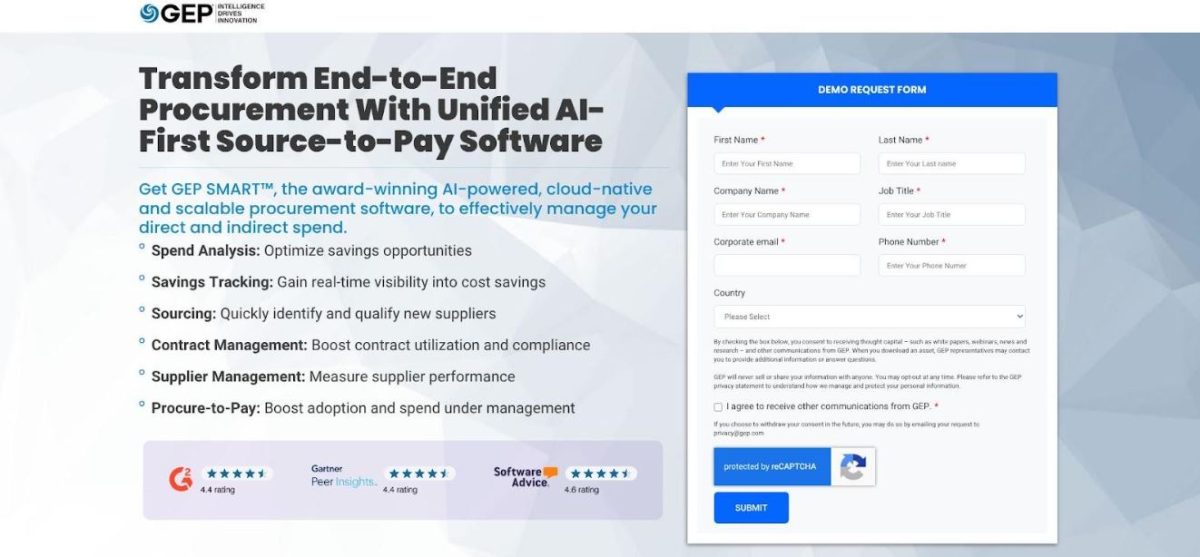
GEP SMART sourcing platform dashboard screenshot for packaging procurement
Commercial model and watch-outs
GEP sells consulting, SaaS, and managed services. Bundled pricing can be efficient, but ask for a line-item view of platform licence, advisory hours, and category-management retainers. Clarify service-level agreements for data feeds, user support, and roadmap features before signing.
Choose GEP if you want tech and talent in one contract and have the scale to justify an enterprise platform. Look elsewhere if you only need a stand-alone RFQ engine or prefer point solutions you can swap later.
7 ERA Group: Best for success-fee engagements
Who ERA Group serves best
ERA Group fits brands that want outside experts to do the heavy lifting yet pay only when savings hit the P&L. If your finance team likes contingency models and your packaging spend is spread across many plants or regions, this independent network brings local analysts and benchmark data in more than 50 countries.
Why ERA Group made the cut
ERA’s decade-long work with Camira Fabrics saved more than £2.8 million, most of it in logistics and marketing print; packaging was a small early category that built the trust for the larger projects. Read that as proof of the model, not of packaging depth. ERA’s SpendVue tool benchmarks spend against data from tens of thousands of projects, so local analysts can test board, resin, and print quotes against real market prices instead of global averages.
Commercial model
ERA typically works on a shared-savings basis: a pre-agreed percentage of the savings that drop to the bottom line, for a fixed period. Get the percentage, the baseline, and the period in writing.
Watch-outs and verdict
Savings audits live or die on baseline accuracy. Lock the starting volume, mix, and currency before launch, and agree on how market indices adjust the baseline over time.
Choose ERA Group if cash neutrality matters more than day-rate clarity and you can spare internal time to validate baselines and track benefits. Look elsewhere if you need a fast bid event without extended audit cycles.
Conclusion
Use this guide to map your biggest packaging pain points to the consultant best equipped to solve them, and you’ll spend less time chasing quotes and more time banking savings.
 Robotics & Automation Award Win for Synergy Logistics
 Sectigo Releases New Digital Certificate App for ServiceNow
 The Do’s and Don’ts of Managing Grants: Expert Advice
 Domino Demonstrates an Integrated Approach to Next-Generation Coding at interpack 2026
- What Families Should Know Before Transitioning Into Senior Care
 What to Know Before Adding New Tooling to Your Machine Shop