

Tech firms are changing how they view physical workspaces.
Remote work gave everyone a taste of flexibility, but modern offices offer something video calls cannot replace.
A physical hub gives teams a place to build culture, collaborate on complex software, and solve problems together.
Investing in upgraded corporate spaces helps technology businesses stay competitive in a fast-moving industry.
Upgrading Physical Workspaces to Drive Tech Innovation
Modern offices are no longer just rows of cubicles. They are flexible environments built to support dynamic tech teams. Open layouts allow developers, designers, and project managers to swap ideas quickly. Quiet zones provide space for deep coding sessions without constant noise.
Having an adaptable office layout makes daily operations smoother. Companies can easily rearrange desks for new sprint teams or client visits. High-tech meeting rooms with seamless video integration keep remote and in-person employees connected during daily standups.
Creating spaces for spontaneous conversations often leads to major breakthroughs. A quick chat in the breakroom can resolve a bug that might have taken days of email back-and-forth to solve.

Elevating Property Value and Protecting Structural Health
Buying or upgrading commercial real estate provides long-term financial stability for tech firms. Owned assets build equity over time, giving businesses a stronger financial foundation. Upgrading a property protects that equity by keeping the building in top shape.
Every major infrastructure investment requires proactive care to prevent costly disruptions. Getting top-tier commercial roof repair services prevents water damage to sensitive hardware and keeps operations running without unexpected downtime. Regular inspections keep small issues from turning into expensive disasters down the road.
Building equity while maintaining real estate assets shields companies from volatile commercial rental markets. Property values in growing tech hubs tend to appreciate rapidly, adding significant strength to a corporate balance sheet.
Lowering Operational Expenses Through Green Upgrades
Energy costs make up a large portion of facility budgets. Modern corporate spaces incorporate smart materials and sustainable systems to lower monthly utility bills. Installing low-VOC paints and recycled materials improves indoor spaces while cutting down on environmental impact.
Implementing green strategies helps companies trim overhead expenses significantly. Sustainable designs reduce resource consumption while creating healthier places for staff to work each day.
- Solar panels that generate clean power directly on-site
- Smart thermostats that adjust temperature based on room usage
- High-efficiency LED lighting with motion sensors
- Cool roofing systems designed to reflect sunlight and cut cooling costs
- Low-flow plumbing fixtures that minimize water waste
These eco-friendly updates pay for themselves over time. Reduced utility costs mean extra capital can be redirected into core engineering projects or product development.
Predictive Maintenance and Smart Infrastructure
Modern facilities use intelligent systems to track building health in real time. Instead of waiting for a cooling unit or elevator to break, smart sensors flag potential issues before failure occurs.
IoT hardware tracks indoor conditions like temperature, humidity, and room occupancy throughout the workday. Facilities managers use this live data to adjust heating and cooling on the fly, saving energy when spaces are empty.
Predictive maintenance saves money by extending the lifespan of expensive equipment. Property managers using preventive approaches cut repair costs by up to 50 percent compared to basic break-and-fix habits.
Supporting High-Power Tech Infrastructure Needs
Tech companies require far more power and connectivity than traditional office tenants. Legacy commercial buildings often lack the electrical capacity to support modern server rooms, high-density workstations, and continuous cooling systems. Investing in modernized spaces ensures your hardware runs safely without tripping breakers or overheating.
Future-proof offices include robust digital infrastructure from day one. Spaces built for technology firms feature redundant fiber internet connections, heavy-duty backup power setups, and purpose-built server facilities.
Without proper infrastructure, tech operations risk costly downtime. Unplanned power outages or network drops directly hit software development timelines and client support operations.
Boosting Talent Attraction and Employee Retention
Top software engineers and tech professionals have high standards for where they work. Offering a clean, modern workspace serves as a strong recruitment tool in a crowded job market. Candidates compare workspace quality when deciding between competing job offers.
Employees appreciate comfortable environments equipped with ergonomic furniture, natural light, and modern amenities. A well-designed workspace shows staff that the leadership team values their daily comfort and well-being.
- On-site fitness centers and wellness rooms
- Fully stocked kitchens with healthy snack options
- Ergonomic sit-stand desks for every worker
- Dedicated quiet areas for focused, distraction-free work
- Outdoor patios or rooftop spaces for breaks
Providing a premium workplace increases overall job satisfaction. Workers who enjoy their physical environment stay with companies longer, reducing hiring and training costs.
Enhancing Brand Image for Partners and Clients
Your office space reflects your company’s identity and financial health. Visiting investors and potential enterprise clients judge a business by its physical footprint. A state-of-the-art office communicates stability, professionalism, and forward-thinking leadership.
Hosting prospective enterprise clients in a modern, high-tech space builds trust instantly. It proves that your company invests in quality, security, and long-term growth.
An impressive physical presence helps attract strategic business partnerships. Companies prefer working with tech providers who demonstrate clear stability through their real estate and operations.
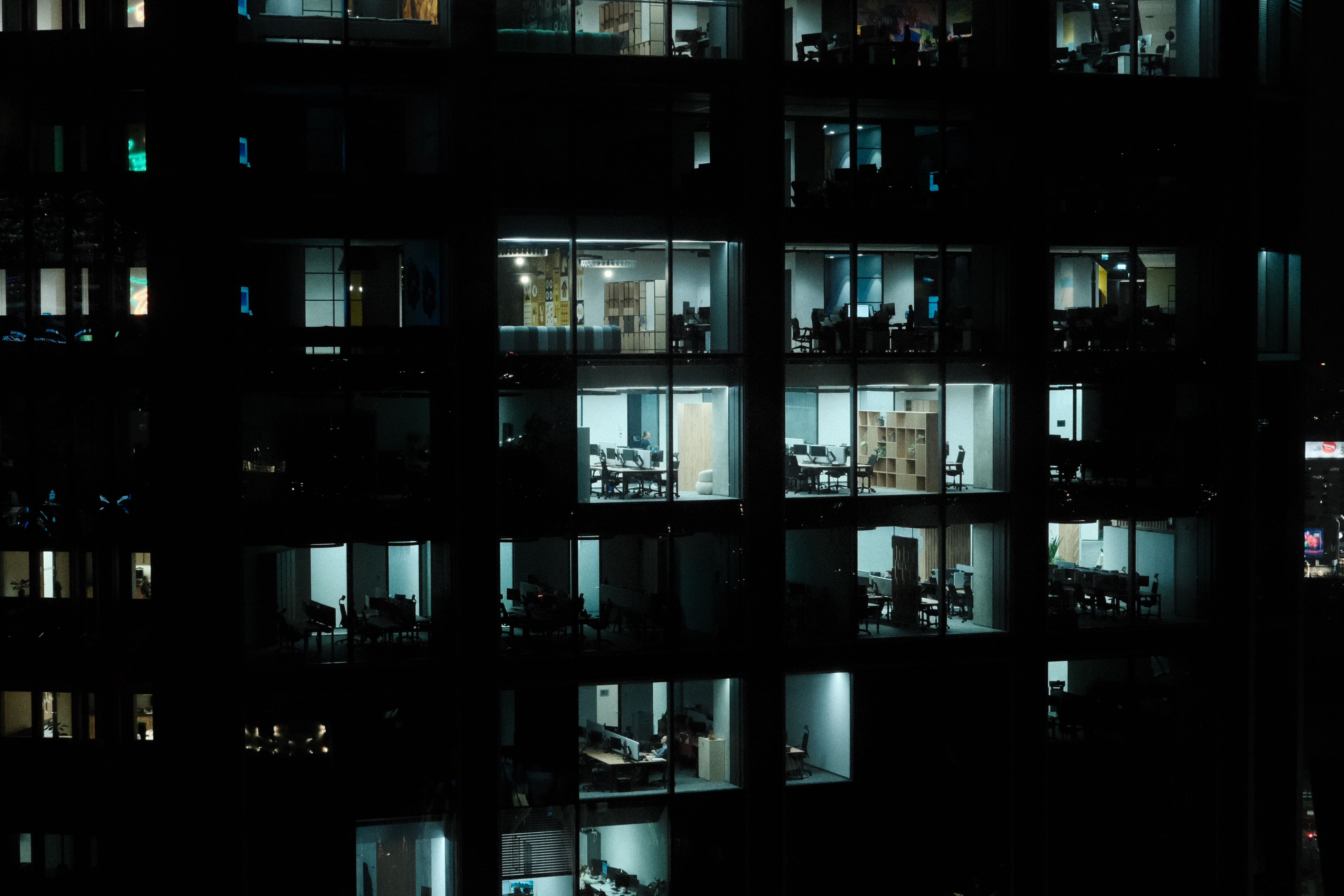
Smart real estate decisions lay the foundation for sustainable tech growth. Upgrading commercial property safeguards digital hardware, lowers daily operating costs, and creates an inspiring environment where teams thrive. Real estate investments keep tech firms grounded, resilient, and prepared for future industry shifts.
 Mindtree Accelerates Cloud Business Through Global Microsoft Azure Experience Centre & New Skills Academy
 Gartner Announces Rankings of the 2019 Supply Chain Top 25
 Oxford Direct Services partners with Webfleet Solutions to spearhead Oxford City Council’s drive to fleet electrification
 Why invest in supply chain control towers
 YILPORT Has Implemented Navis Smart Compass Across Five Terminals Following a Successful Pilot Program
 Real Estate Investment Strategies for More Consistent Profitability