

Winter weather brings serious challenges for building and home upkeep, especially when cold conditions threaten schedules. Freezing temperatures, ice, and unpredictable snowstorms can pause construction projects if crews lack a clear strategy.
Roofing work must continue through these cold months to keep properties safe and dry. Staying on track requires smart planning, specialized materials, and rigorous site safety protocols.
Contracting teams use proven techniques to handle severe winter conditions efficiently while preserving construction quality.
Through careful scheduling and modern winter methods, crews finish work on time, protecting structural integrity and keeping project budgets stable throughout the coldest months.
Advanced Weather Tracking Strategies
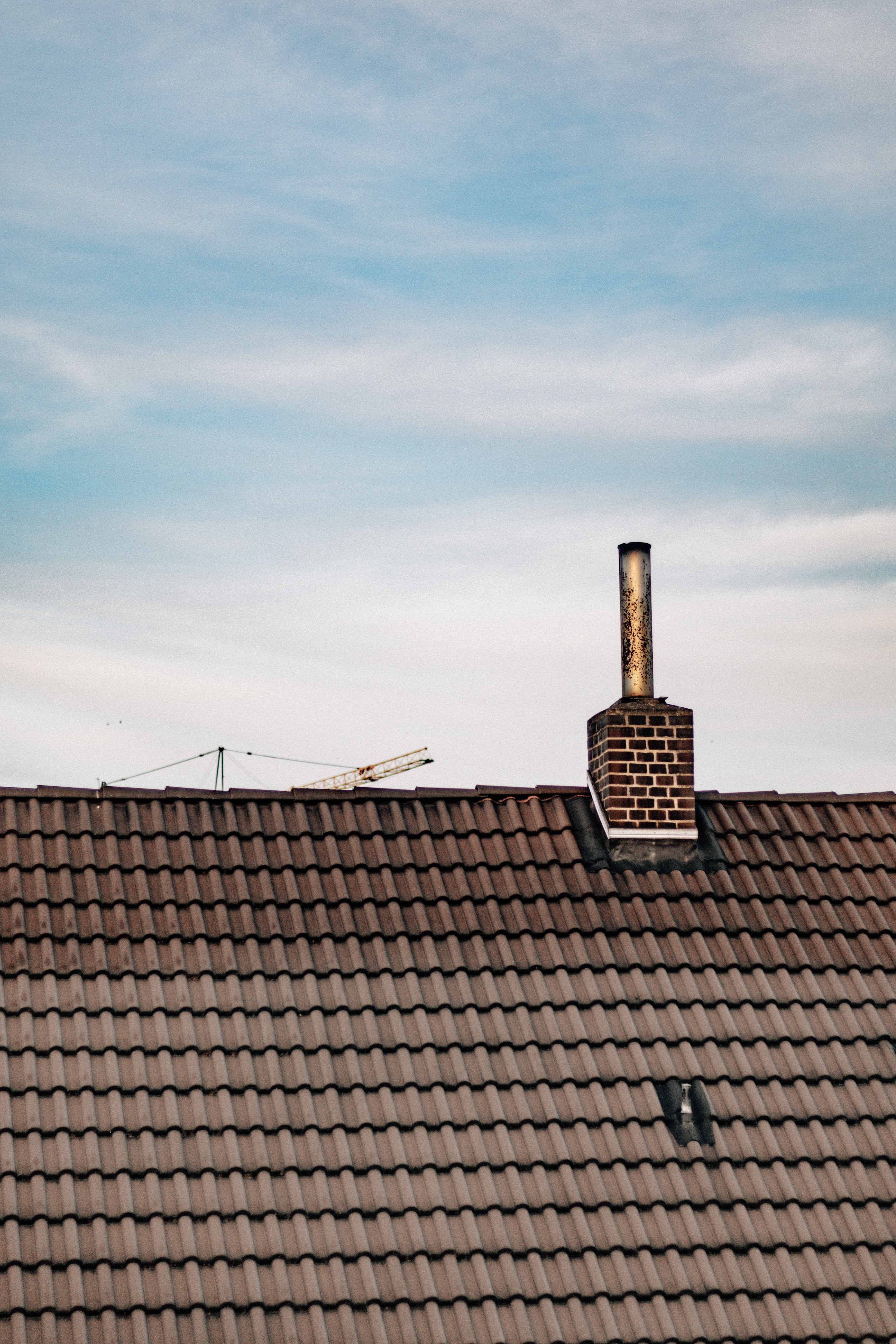
Roofing crews monitor local weather reports days in advance to manage upcoming project schedules effectively. Digital tracking apps give teams real-time radar data, helping managers spot narrow weather windows for active work. Cold shifts can quickly turn safe roof surfaces into hazardous ice zones. Early warnings allow site managers to shift work routines before bad weather arrives.
Shifting labor tasks around changing forecasts helps project leaders avoid major downtime. When severe winter conditions hit, teams focus on indoor staging, tool maintenance, or off-site prep work. These flexible schedules prevent crews from standing idle on frozen job sites.
Detailed forecast tracking allows companies to order site materials with higher precision. Deliveries arrive right when weather conditions permit installation, avoiding unnecessary outdoor storage. Proper timing keeps critical materials dry and ready for immediate application.
Site Safety Protocols and De-Icing Prep
Ice and snow create severe safety hazards that can halt roof work immediately if left unmanaged. Safe job sites require daily clearing routines before any installation starts. Crews use specialized plastic tools and non-corrosive melters to clear roof decks safely.
For property owners planning winter roofing work in the region, Northern Iowa roofing specialists can identify hidden deck damage beneath old materials and address structural concerns before they interfere with the project. Early identification of structural defects prevents cascading delays across the entire project schedule. Spotting problem areas early protects worker safety while preserving project momentum.
- Full roof deck snow and ice removal prior to daily work
- Installation of padded safety netting and harness anchor points
- Application of non-damaging, slip-resistant deck treatments
Proper safety equipment remains mandatory, with harnesses, guardrails, and textured foot pads used constantly. Taking time for thorough safety setups prevents accidents that cause extended site shutdowns. A safe workforce is a productive workforce throughout severe winter weather.
Material Temperature Management Techniques
Cold conditions directly change how many traditional building materials behave during installation. Asphalt shingles get brittle in freezing air, making proper handling crucial to avoid material damage. Single-ply membranes also lose flexibility when exposed to sub-zero conditions.
Adhesives, sealants, and primers require careful temperature control to bond correctly during winter work. Storing these liquid products between 60 °F and 80 °F until application keeps them smooth and easy to dispense correctly[cite: 1]. Warm storage preserves appropriate coverage rates and ensures complete surface adhesion.
Contractors set up temporary heated supply hubs on job sites using insulated blankets and portable heating units. Keeping materials warm right up to installation prevents premature cooling. This extra care protects structural integrity without slowing crew pace.
Daylight Optimization and Daily Timetables
Winter brings shorter daylight hours, cutting down available project time on outdoor jobs. Teams must adjust daily shift structures to make the absolute most of sunlit hours. Early morning prep work happens in controlled, illuminated spaces before roof access begins.
Planning daily work purely around daylight hours helps maintain consistent progress and safety on site. Ending high-elevation work by a 1 pm cutoff time during December prevents crews from working in hazardous, low-visibility conditions. Setting hard afternoon deadlines avoids the cold drops that happen as the sun goes down.
- Morning prep completed in warm staging areas before sunup
- Primary roof tear-off and installation executed during peak sunlight
- Daily site weatherproofing finished before afternoon temperature drops
Specialized Cold-Weather Materials
Selecting products engineered for low temperatures prevents many common winter delays. Many modern roofing systems feature advanced chemical formulas designed specifically for cold-weather installation. Using the right products eliminates the need to wait for spring thaws.
Certain materials handle freezing conditions better than standard asphalt choices. Options like metal panels and polymer shingles can be installed in temperatures below 40 degrees without compromising quality or voiding manufacturer warranties. Selecting these durable options keeps winter projects moving forward seamlessly.
Streamlined Supply Chain Logistics
Material delays cause severe disruptions during cold-weather construction projects. Securing prompt delivery of roofing materials is essential for staying on schedule during tight winter installation windows. Close communication with suppliers guarantees items arrive exactly when needed.
Logistics managers coordinate delivery trucks to match daily site capacity and weather forecasts. Staging materials directly on the roof deck reduces manual handling and exposure to ground moisture. Strategic placement speeds up installation while protecting products from winter dirt.

Temperature-controlled material storage and protective site enclosures preserve product performance and work quality. Working with experienced professionals keeps projects moving smoothly regardless of winter conditions. Proper preparation, strong supply chains, and strict safety standards ensure durable, high-quality results year-round.
 How to maximise your virtual communications for effective team meetings
 Predictions for the technology industry in 2025
 Modular working in R&D labs
 Are Stablecoins Good Crypto Investments?
 Audi Chooses Camunda to Boost Operational Efficiency
 Noname Security’s API Security Report Reveals API Security Incidents are Rising