

A self-custody crypto wallet is one where you hold the private keys yourself, usually backed up by a recovery phrase. It gives you direct control of your funds without relying on a company.
The trade-off is responsibility: if you lose the recovery phrase, nobody can restore the funds. Many players keep only what they plan to use on any platform balance.
“Not your keys, not your coins” is one of the oldest sayings in crypto. It sounds like a slogan, but it describes something very practical about who controls your money.
For anyone playing with crypto, understanding it is a simple way to stay safe.
Custodial vs non-custodial wallets
A crypto wallet doesn’t hold coins the way a leather wallet holds cash. It holds keys, secret codes that prove you’re allowed to move the coins recorded on the blockchain.
With a custodial wallet, a company holds those keys for you. It’s convenient, a bit like a bank account, but you depend on that company to keep your funds safe and let you withdraw them when you ask.
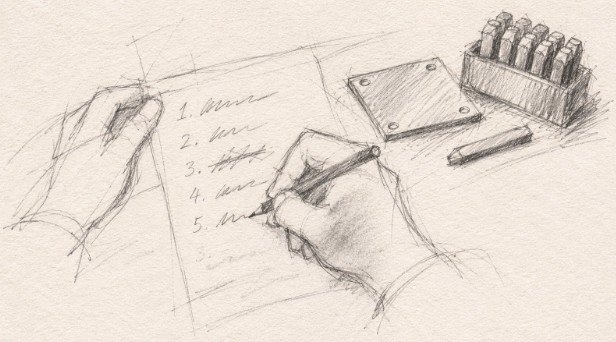
With a non-custodial wallet, you hold the keys yourself. That’s self-custody. Nobody can freeze your funds or block a withdrawal, but nobody can rescue you if something goes wrong, either.
Many people start with a custodial wallet because it’s easy, then move to self-custody as they learn more. Either choice can be reasonable, as long as you know which one you’re using.
What a recovery phrase is
When you set up a self-custody wallet, it usually gives you a recovery phrase: a list of 12 or 24 ordinary words in a specific order. That phrase can rebuild your wallet on any compatible device, even if your phone is lost or broken.
The words come from a standard list, and the order matters as much as the words themselves. Write them down exactly as shown, numbered, and check them twice.
Think of it as the master key to everything in the wallet. Anyone who has it can take your funds, from anywhere in the world. If you lose it and your device fails, your coins are gone.
That’s why the recovery phrase matters more than any password you hold.

Why self-custody fits a privacy mindset
Self-custody keeps control, and information, in your hands. A company holding your keys usually also holds your account details, your transaction history and often your identity documents. Every one of those is a record someone else controls.
Holding your own keys means fewer third parties involved in your money. Paired with a no KYC or KYC friendly gaming platform, it keeps your financial life more private by default.
It also means you decide when funds move. There’s no waiting for a company to approve a transfer or process a request. For many players, that’s the point: the money is theirs, in every sense.
The responsibility that comes with it
Freedom comes with real responsibility. There’s no undo button in Bitcoin. If you send funds to the wrong address or lose your recovery phrase, no one can reverse it or restore your coins.
Leaving coins with any third party, including a gaming site, creates counterparty risk. You’re relying on that party’s security, its finances and its policies. A sensible middle ground is to keep only what you plan to play with on any platform balance, and move the rest back to a wallet you control.
A good way to build confidence is to practise with a small amount. Send a little to the wallet, restore it from the recovery phrase on another device and confirm the funds are there. It’s a quick test that can prevent a very bad day.
Control and care go together.
That’s the trade-off in a sentence. You gain control and privacy, and you take on the job of protecting both.
Backup basics in plain words
Bitcoin.org’s wallet security guide sets out the core habits, and none of them are complicated:
- Write your recovery phrase on paper or metal, never in a screenshot or cloud note.
- Keep copies in more than one safe physical location.
- Encrypt any digital backup you can’t avoid making.
- Use a strong password on the wallet itself, and don’t forget it.
- Keep your wallet software up to date.
For larger amounts, many people use an offline device, often called a hardware wallet, so the keys never touch the internet. It’s also worth thinking about what happens to your crypto if something happens to you, and leaving clear instructions for someone you trust.
Before you play anywhere, check the local rules on online gambling and crypto where you live. Gaming is for adults 18 and older, or the higher legal age where you are, so set a budget and a time limit and treat it as entertainment.
Tonight, find your recovery phrase and check that it’s stored somewhere safe. If you can’t find it in five minutes, that’s your first job.
This information was prepared by the Daler Crypto Casino team. Daler is KYC friendly.
 Turn Online Shopping Experience Delightful with these Amazing Chrome Web Store Extensions
 Doosan launch NX Plus low-cost range of IC engine forklifts
 How supply chain issues impact the housing market
 Improve Your Business Model
 Fewer than 1 in 3 cybersecurity professionals say threat data they receive is accurate & relevant
 Haribo Sweets Supply Chain Success