


Climate patterns are shifting rapidly across the globe. Warehouses must now withstand extreme weather events that were once considered rare.
This change forces companies to rethink how they build their storage spaces to avoid major financial losses.
Structural glazing offers a way to balance aesthetics with rugged durability. Glass systems provide a shield against wind and rain since they let in natural light.
High-quality glass keeps the interior safe without blocking the view of the outside world or ruining the building design.
Modern Warehousing Faces New Storms
Industrial spaces are no longer simple metal boxes in a field. Designers search for ways to make the structures last through the next century. A recent report on the building envelope market valued the industry at over $117 billion in 2024. The massive investment proves that modern businesses care about the strength of their exterior walls.
Heavy rains and intense winds put immense pressure on every wall and window. A single point of failure can lead to millions in lost stock. Companies are finding that basic aluminum siding is not enough to stop water damage anymore.
Logistics centers need to maintain a constant temperature to protect sensitive goods. Choosing the right materials makes it easier to keep operations running during a heatwave. Modern glass allows for better insulation than old-school brick or wood walls.
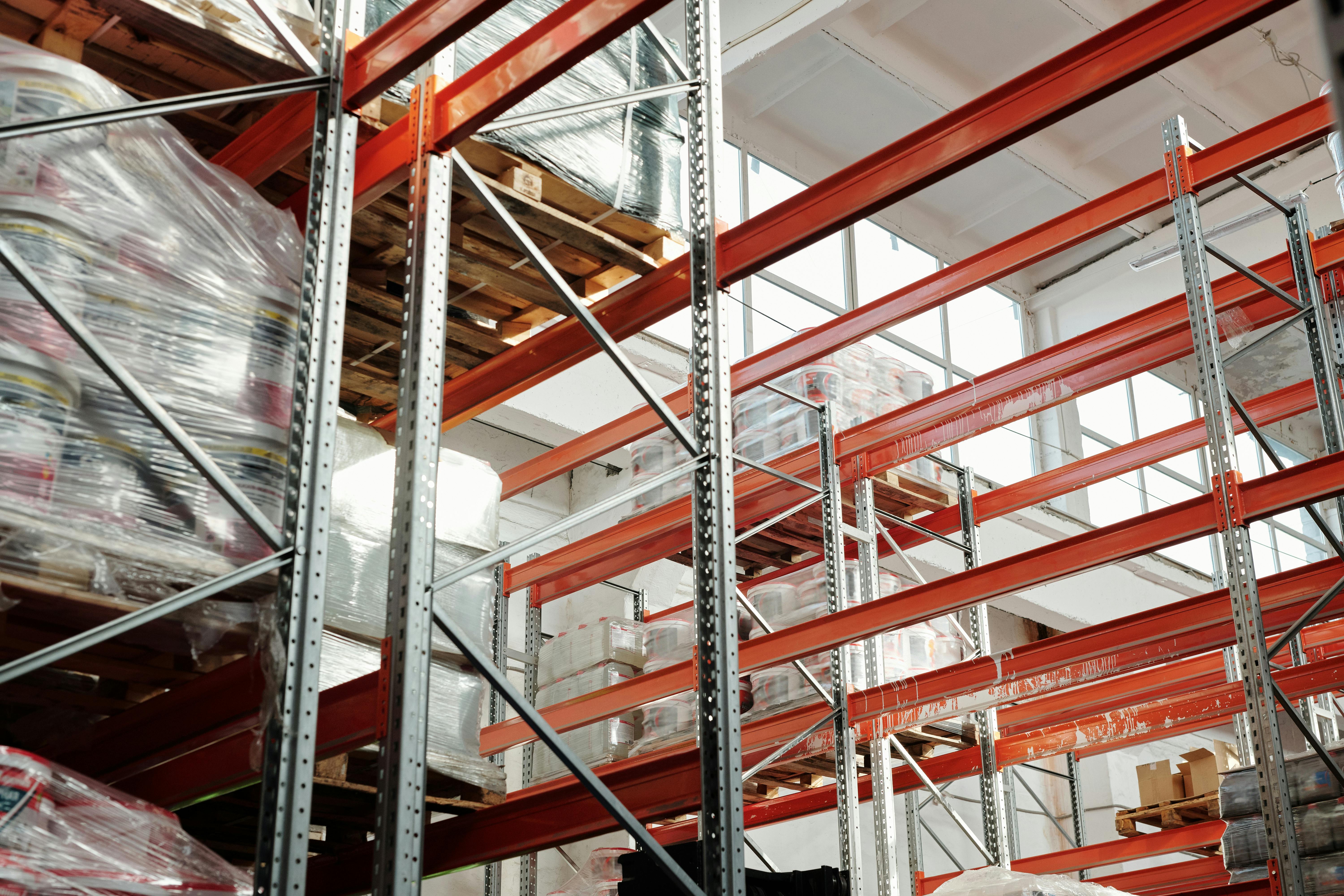
Strengthening The Building Envelope
The outer layer of a facility serves as the primary barrier against the elements. It must be strong enough to withstand the weight of water and the force of flying objects. Investing in the exterior is the best way to prevent long-term damage to the foundation and the roof.
Maintaining a secure perimeter is the first step in protecting inventory. Since safety is a priority, installing Miami hurricane impact windows and doors provides a layer of defense against high wind speeds. The choice helps prevent pressure changes that could lead to roof failure during a storm. It is a smart move for any facility located in a high-risk zone.
Strong frames and laminated glass keep debris from penetrating the interior. The setup keeps the building intact when the outside environment turns hostile. It serves as a shield that remains functional for many years without needing major repairs or constant care.
Structural Glazing As A Modern Solution
Structural glazing uses silicone sealants to bond glass to a building frame. The method creates a smooth surface that distributes wind loads evenly across the structure. Engineers prefer this approach since it eliminates the need for bulky metal covers that trap moisture and cause rot.
Using technology offers several advantages for large-scale storage facilities:
- Reduced weight compared to traditional masonry walls.
- Better resistance to seismic vibrations.
- Improved resistance to water infiltration.
- Lower maintenance costs.
Modern adhesives allow for massive glass panels that can withstand incredible force. It creates a seamless look without sacrificing the safety of the staff inside and gives the warehouse a sleek look that matches modern business standards and attracts high-end clients to the park.
Efficiency Meets Resilience
Energy costs are a major concern for any warehouse manager today. One study highlighted that 65% of new commercial projects in North America used energy-efficient glazing solutions by 2026. The trend highlights the move toward greener industrial designs across the continent to save on power.
Glass panels with special coatings reflect heat away from the building during the summer. It reduces the load on cooling systems and lowers monthly power bills. Owners save thousands of dollars each year by simply keeping the sun out of the main loading areas. It makes the entire operation more sustainable for the long haul.
Properly sealed units prevent drafts and air leaks that waste energy. Keeping the internal environment stable is easier when the walls are built to high standards. Consistent temperatures are a must for storing food or medicine safely for long periods without the risk of spoilage.
Adapting to High-Rise Logistical Needs
Urban areas are seeing an increase in vertical warehouses to save on land space. An industry report found that 67% of skyscrapers over 200 meters now use structural glazing as a primary design feature. High-rise storage needs materials that can handle the extreme wind speeds found at higher altitudes near the city center.
Vertical logistics centers benefit from glass by offering better views for office staff located in the same building. Facades require lower maintenance than other exterior types like painted steel or concrete. Natural lighting is increased for upper-floor sorting zones, which helps workers see their tasks clearly throughout the day.
Towers require specialized installation techniques to remain safe for decades. Structural glazing allows buildings to flex slightly without the glass cracking or falling out. Flexibility is a must when dealing with the sway of a tall building during a storm or high wind event in the city.
Future Proofing Industrial Investments
Building a warehouse is a long-term commitment that requires careful planning. Selecting resilient materials today prevents expensive repairs after a major storm hits. Managers prefer to get it right the first time to avoid downtime that ruins the shipping schedule. It is better to spend more on construction now than to pay for a full rebuild later.
Owners look for ways to keep insurance premiums low by proving their buildings are safe. Robust glass systems often qualify for better rates in coastal regions where storms are common. It pays to invest in the strongest materials available on the market today to protect the bottom line.
A strong exterior protects the technology and robotics used in modern logistics. Keeping the expensive tools dry and safe is a top priority for every owner. Reliable windows mean fewer interruptions in the shipping schedule throughout the year, regardless of the weather.
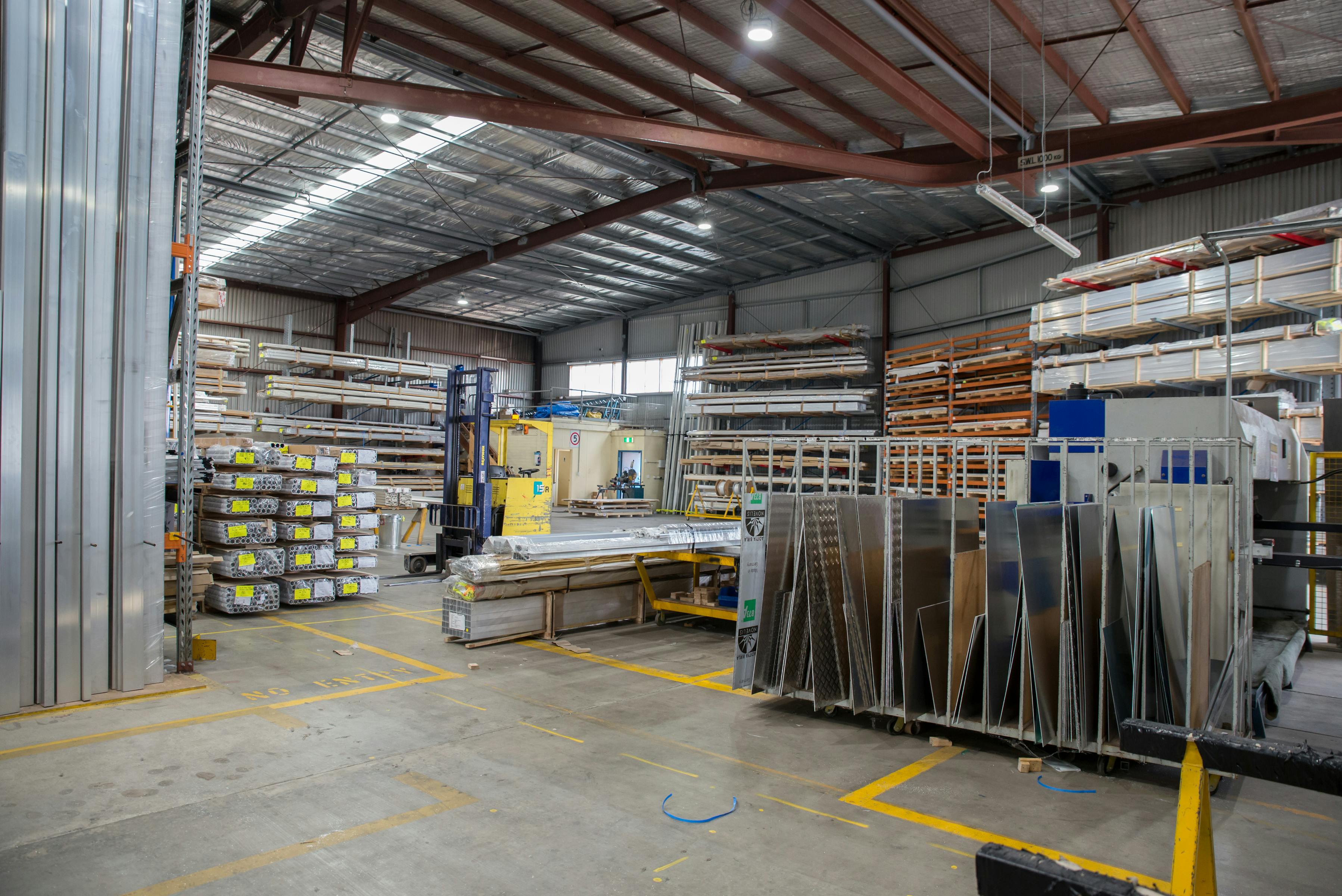
Climate change demands new ways of thinking about industrial construction. Structural glazing is a smart choice for companies that want to stay productive and profitable. It provides a long-term solution for a world that is becoming more unpredictable each season.
Glass systems offer the strength needed to face the elements. Investing in high-quality materials keeps the supply chain moving no matter what the weather brings. Safe buildings mean safe workers and a healthy future for the entire logistics industry.
 Get Ready for CDS
 XPO Logistics Expands UK Partnership with Glen Dimplex Consumer Appliances as Preferred Supplier for Single-Source Distribution & Logistics
 Optimizing Inventory Is About Improving Service While Lowering Inventory. Wait, What?
 A Guide To Using Digital Solutions To Combat Eating Challenges
 Aptos Completes Acquisition by Affiliates of Goldman Sachs Merchant Banking Division
 Digital twins: The key to factory optimization?