

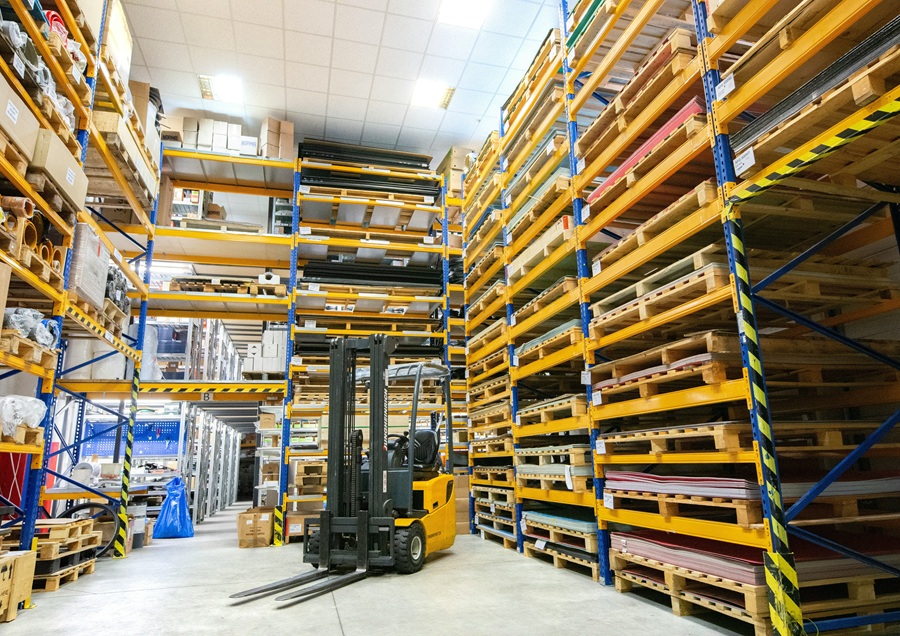
By 2030, Gartner predicts 50% of new warehouses in developed markets will be robot-centric, human-optional facilities. With labour costs rising and workers increasingly unwilling to perform manual tasks, organisations can no longer rely on hiring alone – accelerating the adoption of robotics and other smart technologies.
Gartner recommends early integration of digital twin and simulation models to validate layouts before construction, scalable software-defined robotics platforms to reduce obsolescence risk and long-term vendor partnerships to support future integration and expansion.
Iain Davidson, Head of Product Marketing, Wireless Logic, says that in these environments, it’s important remember that every decision is only as reliable as the infrastructure supporting it:
“While Gartner’s prediction sounds bold, it won’t surprise anyone close to the space. Labour pressures, shifting workforce dynamics and more capable AI orchestration mean this was always the direction of travel. The real question now is what it takes to make it work in practice.
“As the report highlights, organisations with mature, AI-ready data and analytics are seeing significantly better outcomes. The gap isn’t in the models, it’s in the data and how it’s governed, contextualised and made accessible. On a warehouse floor, that’s critical. The autonomous environment Gartner describes – which is constantly rerouting, reallocating and optimising in real time – relies entirely on a live, trusted data layer.
“This is where digital twins move from planning tool to operational nervous system. Used early, they can stress-test layouts and optimise performance before construction. But the facilities that truly reach human-optional operations will be the ones that keep those twins continuously fed with real-time data long after the concrete has been poured. Without that, they’re just very expensive visualisations.
“With fewer humans to step in, the margin for failure is also shrinking and that means resilience must be baked in from connectivity to failover and monitoring. The warehouses that get this right won’t just deploy smarter robots – they’ll support LiDAR-led mapping and video-based safety systems with the uptime and connectivity needed to keep operations moving.”
 Improving Industrial Climate Control for More Sustainable Supply Chains
 Avetta Names Arshad Matin Its New President and Chief Executive to Drive Next Stage of Growth
 Roehm Partners with FourKites to Offer Customers Unprecedented Real-Time Visibility into Shipments
 Delinea Bolsters Sales Leadership with New Chief Revenue Officer David Castignola
 4 Ways Improved Employee Satisfaction Can Boost Your Supply Chain Productivity
 10 Proven Strategies to Grow Your Kick Followers and Maximize Earnings