


Sun protection used to mean heavy lotions and awkward, heat-trapping layers. Today, fabric science and smart design are changing that story with lighter weaves, cooler touches, and pieces you actually want to wear. Tech is stepping in too, from cooling textiles to UV awareness tools, so staying covered no longer feels like a chore.
Why Sun Protection Is Getting A Makeover
Designers now see sun safety as part of everyday style, not just beachwear. Many are building protection into familiar silhouettes so you can move from workouts to errands without a wardrobe change. You can even upgrade basics – consider Long Sleeve Sun Protection Shirts for men – and still keep the look clean and minimal. Brands are pairing UPF fabrics with modern cuts and colors so coverage feels like part of your style, not a compromise.
Venting panels, smooth flat seams, and quick-dry knits help you stay cool and comfortable from commute to training. Labels are getting clearer too, with simple care notes that make it easy to keep performance and fit over time.
What Makes Modern Sun Fabrics Different
The biggest upgrade is fabric engineering. Tighter knits, special yarns, and thoughtful color choices help block more UV without adding weight. Instead of feeling like gear, these pieces aim to feel like your favorite tee or training top.
- Look for clear UPF labels with numbers you can compare
- Check stretch and breathability so coverage does not trap heat
- Prioritize soft handfeel and seam placement to reduce rub points
A dermatologist-reviewed explainer notes that UPF 50+ is the highest rating commonly shown on labels, which signals that very little UV passes through. While rating is not the whole story, it is a simple way to judge whether a shirt or hoodie is built for serious sun.

Wearable Tech Meets Everyday Style
Cooling innovations are also reshaping how sunwear feels in hot weather. Some textiles are tuned to reflect solar heat while releasing body warmth, aiming to keep skin temps down even under direct sun. That opens the door for long sleeves on bright days without the usual tradeoff.
UV Sensors On Skin Or Fabric
Early consumer devices can nudge better habits by making UV more visible in the moment. Paired with practical pieces and a hat, they turn guesswork into feedback. The fashion goal is simple – keep the tech invisible so your outfit still feels like you.
A recent science feature reported that a radiative-cooling fabric tested outdoors kept simulated skin about 5 to 13 degrees Celsius cooler than cotton in full sun. That kind of performance target pushes brands to blend technical yarns with cuts that still look sharp at brunch or on a trail run.
Fit, Comfort, And Real-World Use
Fit matters as much as fabric. A trim shoulder and relaxed torso helps sleeves stay put without pulling at the neck, and raglan cuts reduce seam rub under backpacks. If you sweat a lot, prioritize quick-dry knits that do not cling and that release moisture fast between efforts.
Think about how you move. Cyclists want longer rear hems, hikers benefit from gusseted underarms, and beach players prefer knits that do not grab sand. The more a shirt supports your routine, the more you will actually wear it when the UV index spikes.
Care, Durability, And Environmental Notes
Follow the tag so the fabric keeps its structure. Skip fabric softeners that can coat fibers and reduce breathability, and wash cool to protect stretch. Hang dry when possible to preserve handfeel and size.
Durability starts with construction. Flatlock seams cut down chafe and often last longer, and higher denier sleeves resist abrasion from straps. If you care about footprint, look for recycled yarns and mills that publish water and energy data.
How To Build A Smarter Sun Routine
Start with a reliable long sleeve you enjoy wearing, then add a brimmed hat and lightweight sunglasses. Pack a compact mineral sunscreen for hands, ears, and any gaps your clothes do not cover. Reapply after sweat sessions or swims even when the fabric does most of the work.
Set a time rule. Aim for shade breaks around midday, plan runs or rides earlier or later, and track the UV index on your phone so choices become automatic. The goal is not perfection – it is layering small habits that make strong protection feel easy.
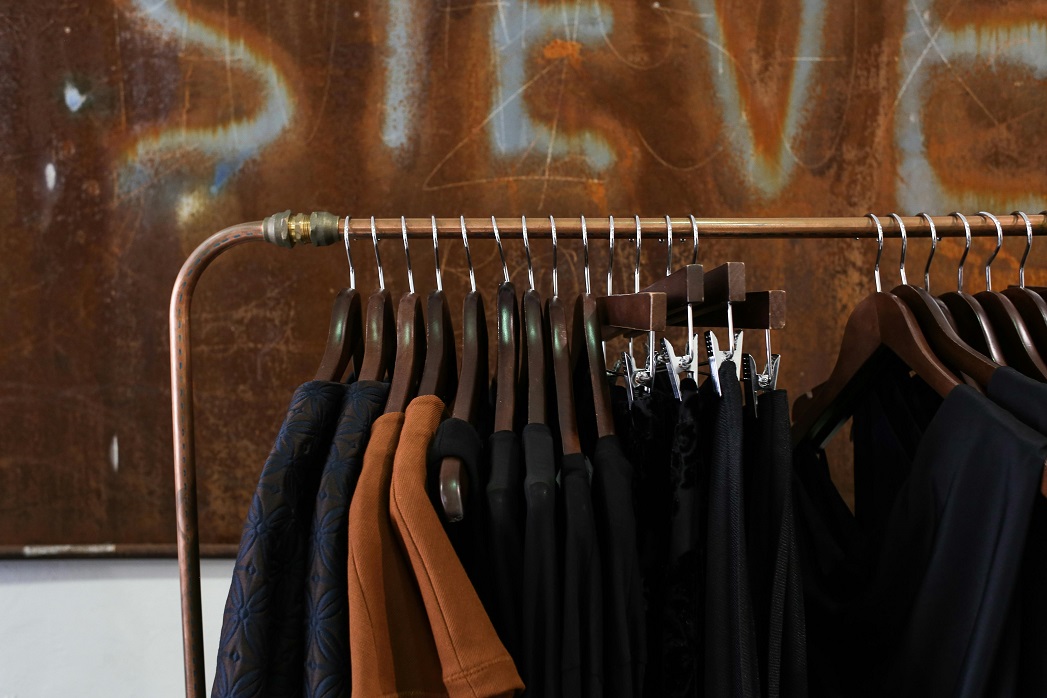
Clothing that blends science and style is making sun safety more natural. By choosing pieces that fit well, breathe well, and work with your day, you get quite protection without compromising comfort. Build a few go-to outfits now, and you will be ready when bright days roll in.
 Amazon vs Visa – compromise most likely before Jan 19
 How Can Servers Help with Data Management and Analytics?
 7 Amazing Social Media Optimization Strategies in 2024
 Exploring the Future of Supply Chain in 2025
 Ransomware attack on Blue Yonder underscores the critical importance of securing supply chains
 Without leaving a trace