Evidence from the manufacturing, utilities, logistics, and construction industries is sufficiently consistent to be considered established rather than theoretical regarding the association between formal workwear programs and workplace incident rates.
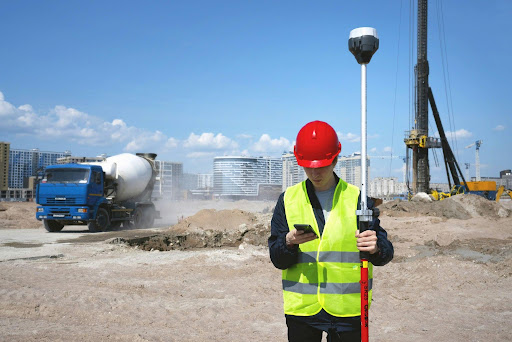
Hard hats, construction wellies, hi-vis clothing, and role-specific safety gear are not just things bought to meet a regulatory checklist. They result in quantifiable decreases in incident frequency when arranged into a cohesive program with appropriate specification, maintenance, and compliance infrastructure, which immediately translates into operational and financial gains.
The Specification Foundation
Incident reduction begins with accurate specification. Protective equipment that is not matched to the actual hazards present on a specific site or in a specific role cannot perform the protective function it was designed for, regardless of its individual quality. A well-structured programme starts with a systematic hazard assessment that identifies the specific risks workers face in each role and selects equipment with rated performance that addresses those risks. Generic specification, applying the same protection across all roles regardless of the actual hazard profile, leaves some workers over-protected in irrelevant categories and under-protected in the ones that matter.
Construction Environments and Foot Protection
A significant percentage of lost-time events in the construction industry are caused by foot and lower-leg injuries. Footwear that simultaneously addresses multiple risks is necessary due to hazards such as penetration from below, impact from above, slippage on wet or uneven surfaces, and immersion in wet ground. Construction wellies provide this multi-hazard coverage with steel midsole penetration protection, impact-resistant toecaps, and slip-resistant soles that are comfortable for an entire working day on a wet site. Real protection is provided by footwear that employees actually wear, as it is practical and comfortable. Technically stated, things that are physically accepted for as little time as possible aren’t.
The Compliance Infrastructure
A program is created on paper rather than in actuality when equipment specifications lack compliance infrastructure. Accessible storage for protective gear at the point of use, supervision systems that reliably detect and resolve non-compliance, replacement procedures that allow employees to swap out worn or damaged equipment without bureaucratic obstacles, and a leadership culture that exemplifies the conduct expected of the workforce are all necessary infrastructure for true compliance. Every one of these components is essential. Regardless of how well the specification was created, the absence of anyone leaves a gap that allows non-compliance to enter the system.
Near-Miss Reporting and Programme Improvement
Reactive workwear programs cannot establish continuous improvement cycles, whereas those that produce real near-miss reports can. Information on where the program needs improvement can be found in near-miss incidents involving protective gear, such as a boot that deflected a penetrating object, a garment that was not worn during an incident, or a situation in which specific equipment would not have provided adequate protection under the actual conditions. Instead of staying stagnant until the next major event necessitates a review, companies that actively promote near-miss reporting and use the resultant data to enhance their PPE requirements create programs that continuously improve.
Logistics and the Visibility Imperative
Workers’ conspicuity is a direct predictor of incident frequency in logistics environments where pedestrian workers share operational space with heavy goods vehicles, reach trucks, and forklift trucks. Inadequate worker visibility is consistently identified as a contributing factor in logistics incident investigations, often in conjunction with poor traffic-control design and driver inattention. The conspicuity variable is directly addressed by a workwear program that guarantees all pedestrian workers in a mixed-traffic environment wear appropriately specified, well-maintained, high-visibility clothing. This addresses most of the contributing variables for the most prevalent serious event type in logistics operations, when combined with traffic control enhancements.
Manufacturing and the Role-Specific Challenge
Because the danger profile varies greatly across production areas, maintenance activities, and materials-handling functions within the same facility, manufacturing environments pose some of the most challenging workwear specification challenges. A program based on a single universal specification will unavoidably overspecify workers in lower-risk zones while underprotecting those in higher-hazard areas. Because workers wearing equipment that is truly appropriate for their specific tasks are less likely for it to interfere with their work, role-specific workwear specifications that reflect the actual hazard profile of each function in the manufacturing environment yield better protection outcomes and higher compliance rates.
Utilities and the Environmental Exposure Factor
A multi-layered workwear program is necessary because workers in the utilities sector, which includes water, gas, electricity, and telecom infrastructure, face a combination of traffic hazards, ground-level hazards, and prolonged exposure to outdoor environments. Thermal mid-layers for cold weather, appropriately rated hi-vis coverage throughout the body, and waterproof outer layers that protect for an entire working day in inclement weather are all part of a program that addresses the realities of utility fieldwork rather than its administrative description. Employees who are physically comfortable and adequately protected during a challenging outdoor workday work more safely and efficiently than those whose equipment breaks down by midmorning.
Measuring the Reduction
Incident frequency rate, calculated as incidents per hundred workers or per hundred thousand hours worked, provides a baseline against which workwear programme improvements can be measured over time. Businesses that establish this baseline before implementing programme changes and track it systematically afterwards accumulate evidence of the causal relationship between programme investment and incident reduction. This evidence serves multiple purposes simultaneously, supporting the business case for continued investment, providing data for regulatory compliance demonstrations, and building the institutional knowledge about what works in the specific operational context that generic benchmarking cannot provide.