


Shipping costs represent a major portion of logistics expenses, influenced by factors like fuel prices, driver wages, carrier rates, and administrative tasks. To stay competitive, companies must find smarter ways to manage these costs without compromising delivery performance. A transportation management system (TMS) provides that solution by automating and optimizing every step of the shipping process. From route planning and load consolidation to freight mode selection and real-time tracking, a TMS transportation management system enhances efficiency, reduces waste, and improves visibility across the supply chain. By leveraging advanced analytics and automation, businesses can make data-driven decisions that cut unnecessary spending and increase profitability. Below, we’ll explore how implementing a transportation management system software can significantly lower shipping costs while streamlining logistics operations.
Automated Route Optimization Cuts Fuel and Time Costs
Fuel and time are two major cost drivers in logistics. Modern tms system platforms use AI-powered routing to determine the shortest and most efficient delivery paths. By analyzing data such as traffic, weather, and delivery windows, these systems minimize unnecessary mileage and idle time.
AI-driven route optimization also enables dynamic rerouting when conditions change. If a highway accident or weather delay occurs, the system can instantly adjust routes to avoid bottlenecks. This reduces driver hours and fuel consumption while ensuring on-time delivery.
With automated routing, businesses experience:
- Reduced mileage and fuel costs through optimized routes
- Lower driver overtime and improved resource utilization
- Faster deliveries and enhanced customer satisfaction
In essence, tms logistics capabilities turn every delivery route into a cost-efficient, data-backed operation.
Load Consolidation and Mode Optimization Reduce Freight Spend
One of the smartest ways to cut transportation expenses is through load consolidation and mode optimization. A transportation management system automatically combines multiple small shipments going to nearby destinations into one consolidated load. This ensures trucks run fuller and reduces the number of trips required.
Additionally, tms providers offer systems that compare the cost and efficiency of different shipping modes—LTL, FTL, rail, or air—in real time. The transportation management system software evaluates carrier rates, transit times, and service levels, allowing logistics managers to choose the most economical option without compromising delivery performance.
Key benefits include:
- Higher truck utilization and fewer empty miles
- Reduced per-shipment freight costs
- Smarter use of intermodal and backhaul opportunities
Advanced tms transportation management systems even support pool distribution strategies, which streamline last-mile deliveries by moving consolidated shipments to regional hubs before final distribution. This further reduces freight spend while maintaining service reliability.
Real-Time Visibility Prevents Costly Delays and Disruptions
A lack of shipment visibility often leads to delays, detention fees, and poor customer satisfaction. A robust tms logistics platform delivers real-time visibility into shipment status, helping companies proactively manage potential disruptions.
Using predictive analytics, transportation management system software provides predictive ETAs and delay alerts, so teams can take corrective action before additional costs arise. When a shipment is at risk of being late, the system notifies managers and customers, allowing rescheduling or alternate arrangements to prevent penalties.
This proactive visibility also reduces accessorial fees such as demurrage, detention, or reconsignment charges. Instead of reacting to problems after they occur, logistics teams can handle exceptions in real time.
With complete shipment visibility, companies benefit from:
- Fewer late deliveries and accessorial charges
- Enhanced customer satisfaction without excessive follow-up calls
- More accurate delivery forecasts and resource planning
Real-time data ensures that the cost of transportation management system implementation quickly pays for itself through reduced delays and operational savings.
Automated Documentation Cuts Administrative Costs
Manual paperwork remains a hidden drain on logistics budgets. A transportation management system automates all documentation processes, from generating digital Bills of Lading (BOLs) to creating invoices and customs forms. This reduces administrative workload and minimizes human error.
Automation also guarantees auto-compliance with government regulations and carrier requirements. When documents are correctly formatted and digitally submitted, companies avoid costly fines, delays, and reprocessing fees.
A centralized digital document repository makes record-keeping effortless. Instead of managing piles of paper, logistics teams can instantly retrieve shipment records, proof of delivery, and payment confirmations from one secure platform.
Advantages of automated documentation include:
- Reduced administrative labor and paper costs
- Faster billing cycles and improved cash flow
- Lower compliance risk through automatic validation
By digitizing and streamlining workflows, a tms system significantly cuts operational overhead while improving audit readiness.
White Label TMS Solutions Help 3PLs Scale Without Extra Overhead
For freight brokers, logistics providers, and third-party logistics (3PL) companies, scalability is crucial. A white label TMS allows them to offer advanced transportation management system capabilities under their own brand—without the expense of developing software from scratch.
These rebrandable TMS platforms provide the same advanced functionality as enterprise-grade solutions, including shipment tracking, load booking, rate management, and analytics. By embedding these capabilities under their own logos, 3PLs enhance customer trust and retention while keeping technology costs low.
TMS providers such as Agistix offer white label TMS options that seamlessly integrate with existing systems. This enables freight brokers to scale their operations, manage more clients, and deliver full visibility without adding IT overhead.
Key benefits for 3PLs include:
- Rapid scalability without investing in custom development
- Strengthened brand identity and customer loyalty
- Access to enterprise-grade logistics features under a private label
With white label TMS solutions, logistics providers can compete with larger players while maintaining lean operations. It’s a cost-effective strategy for growth in a competitive market.
Conclusion
Reducing shipping costs doesn’t have to mean cutting corners—it’s about working smarter. A transportation management system streamlines every stage of the shipping process, from route optimization to documentation. By automating tasks, improving visibility, and enhancing resource utilization, businesses can significantly reduce fuel, labor, and administrative expenses.
Whether you’re a manufacturer, distributor, or 3PL, investing in modern transportation management system software delivers measurable ROI. Solutions like Agistix’s Transportation Management System provide the automation, analytics, and flexibility needed to optimize logistics performance while keeping shipping costs in check.
When implemented strategically, a tms transportation management system isn’t just a tool—it’s a long-term competitive advantage that helps companies achieve operational excellence and financial efficiency.
 Google Cloud & C3 AI Create Industry-First Alliance to Accelerate Enterprise AI
 How to Study for the CompTIA Security+ Certification
 Adflex simplifies & secures remote B2B transactions with Pay by Link service launch
 Technologies that Can Help Save the Environment
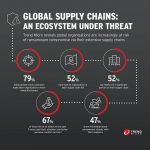 Over Half of Global Firms’ Supply Chains Compromised by Ransomware
 Thomson Reuters unveils AI-powered Audit Intelligence solutions to reimagine auditing practices