

Modern work often treats the body like a machine in a vast logistics network. We focus on efficiency and output but forget the physical toll on the human components. Taking time to care for your frame is just as important as meeting a deadline.
Daily tasks can lead to lingering pain that affects every part of life. Understanding how to manage wear and tear is key to staying healthy for the long haul. A proactive approach keeps you moving without pain for years to come.
Spotting The Signs Of Physical Burnout
Physical fatigue is more than just feeling tired after a long shift. It shows up as stiff joints or muscles that never seem to relax. You might notice your range of motion starts to decrease.
Ignoring the signals can lead to long-term mobility issues. If you need to find an orthopedic surgeon to address chronic joint pain, it is best to act early. Expert help can prevent a small ache from becoming a permanent limitation. Finding a specialist early can make a world of difference for your recovery.
Rest and recovery must be part of your professional routine. Taking breaks helps the body reset and prevents cumulative damage. Think of your physical health as an investment in your future career success.
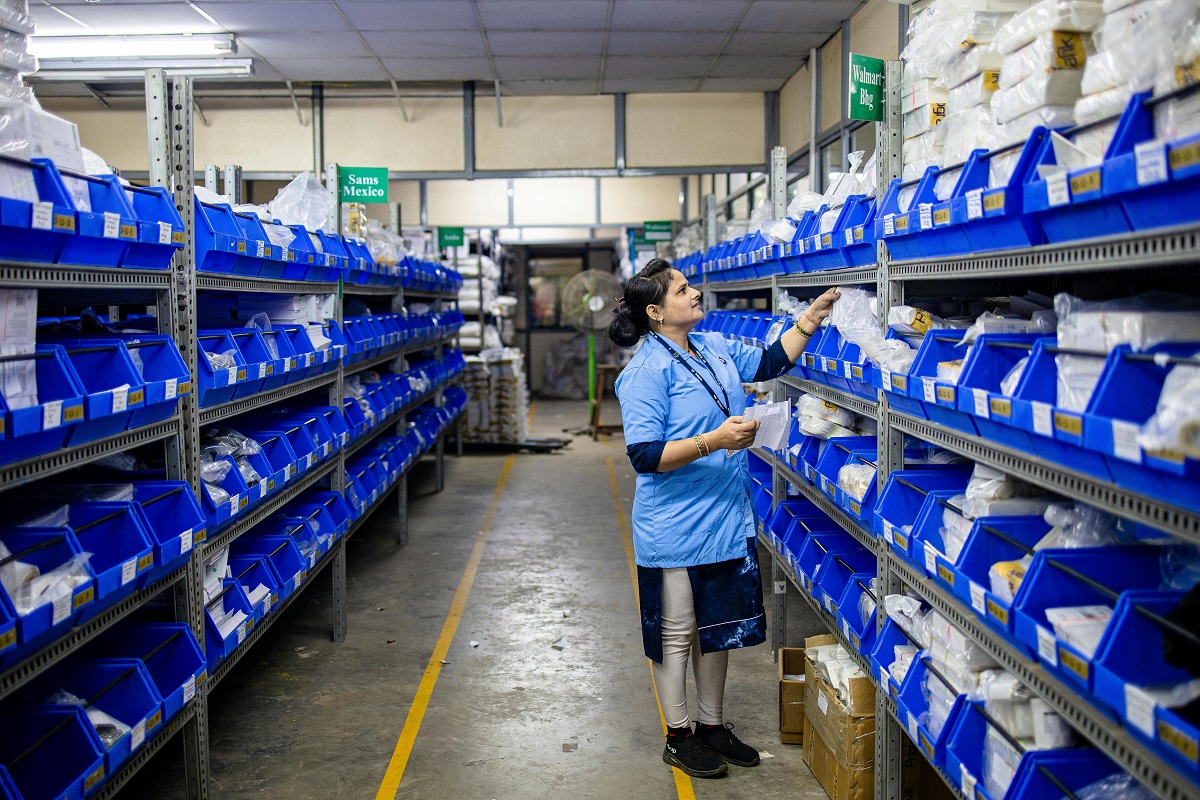
The Financial Impact Of Workplace Harm
Safety in the workplace is a massive economic factor for everyone involved. Unsafe conditions lead to medical bills and lost productivity for companies and employees. All parties suffer when safety protocols are not followed correctly.
A safety report found that the total cost of work injuries hit $181.4 billion. These figures include medical expenses and the wages lost when people cannot perform their duties. High costs show how much a single accident can impact the economy.
Investing in better equipment and ergonomic setups saves money. High costs highlight why keeping the human supply chain healthy is a smart business move. Managers should prioritize employee health to keep the business running smoothly.
Managing Repetitive Strain Risks
Repetitive motions are a common cause of hidden damage in the human body. Doing the same task thousands of times a week creates tiny tears in the tissue. Micro-injuries often go unnoticed until they become a major problem.
- Set reminders to stretch every hour.
- Adjust your chair height to support your back.
- Use tools that reduce the grip force required.
Health officials have noted that repetitive strain injuries develop slowly and can be painful. Small changes in how you move can stop the conditions from becoming debilitating. Early intervention is the best way to keep your body working properly for years.
Recovery Time In The Modern Era
When an injury happens, the clock starts on the recovery process. Getting back to full strength requires patience and the right medical guidance. Rushing the process often leads to setbacks that keep you out of work longer.
Labor statistics showed that the median days away from work for nonfatal injuries reached 8. This time allows the body to heal properly before returning to heavy tasks. Taking the time seriously is a critical part of your health plan.
Returning to work too soon can trigger a second, more severe injury. Following a structured healing plan is the fastest way to get back to 100 percent. Your long-term ability to work depends on your willingness to heal correctly.
Creating A Sustainable Work Culture
Company culture plays a huge role in how we treat our bodies. Leaders who value health encourage their teams to speak up about physical discomfort. A supportive environment makes it easier for everyone to stay safe on the job.
Open communication prevents minor strains from turning into major medical claims. When workers feel supported, they are more likely to use safety gear and follow protocols. Trust between management and staff leads to fewer accidents in the workplace.
Sustainable work means balancing high performance with long-term physical health. A healthy team is more stable and productive.
Using Technology To Protect Movement
New tools are helping people track their physical stress levels during the day. Wearable tech can alert you if your posture is putting too much pressure on your spine. Innovations provide real-time feedback that helps you stay safe.
Gadgets provide data that helps you adjust your workspace for better alignment. Using tech as a partner in health makes it easier to stay active. Monitoring your movements allows you to identify habits that might cause future pain.
Advancements in ergonomics mean we no longer have to suffer for our jobs. Modern solutions provide a path toward a pain-free career. Embracing new tools helps maintain the human supply chain for the modern world.

Protecting the human supply chain is about valuing yourself as much as your work. Making small adjustments today leads to a much better quality of life in the future. You deserve a career that does not come at the expense of your mobility.
Listen to what your body tells you every day. Staying proactive about your health keeps you ready to enjoy your life in and out of the office. Taking care of yourself is the most productive thing you can do.
 World of Warcraft Boost. The wild highway to progress with Boostmatch
 WALLIX strengthens its business strategy to accelerate growth in the IT and Cloud Service Providers market
 Lucketts go the distance with TruTac’s compliance software
 Savvy Brits use subscriptions to navigate cost of living
 How to Buy Pamp Suisse Bullion Online?
 Hotel Alhambra Palace Checks in with Infor for World-Class Customer Service