
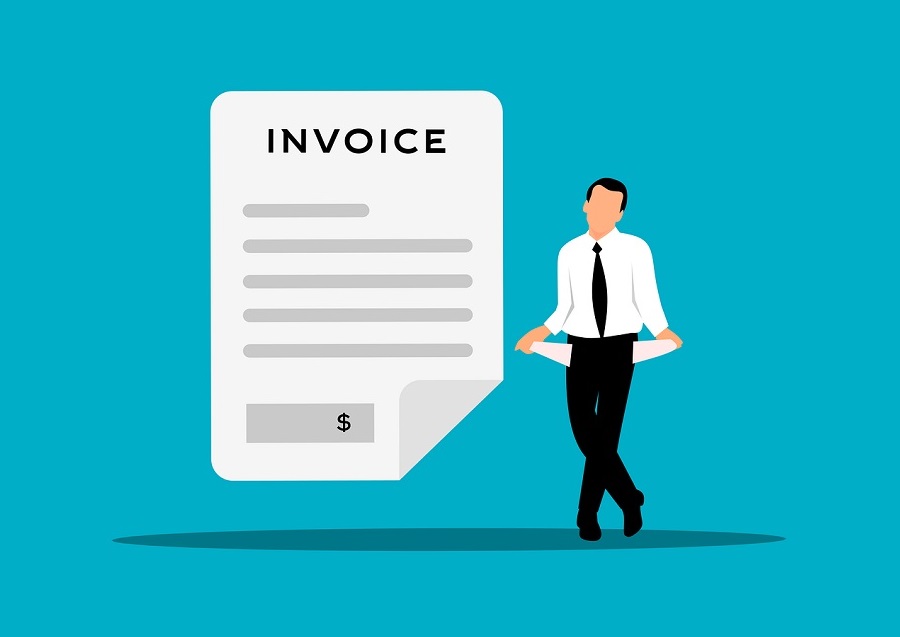
The Small Business Commissioner has issued new to help SME owners find mental health support and practical help when late payments are affecting their wellbeing. The guidance highlights how persistent payment delays are placing significant psychological strain on SME owners, including prolonged stress, burnout and anxiety.
But while it’s encouraging to see recognition of the mental strain caused by delayed payments, the conversation risks focusing on coping mechanisms rather than solving the systemic issues driving the problem.
The Small Business Commissioner is right to recognise the mental health toll late payments takes on SMB leaders. But they are stopping short, treating the symptoms and not the cause.
UK SMEs don’t just need mental health support to cope with late payments. They need legislation and enforcement to stop delays in the first place. Late payments aren’t an unavoidable fact of life; they are a failure of governance, accountability and outdated payment processes from those making the payments.
Delayed payments are often driven by poor spend control, including fragmented procurement and finance teams, shadow spending, and manual, paper-based processes that give little visibility of cashflow or supplier commitments. The impact goes far beyond admin frustration – it disrupts supply chains, strains trusted relationships, and in extreme cases, pushes smaller suppliers to the brink. Research shows 36% of UK businesses say suppliers have gone out of business due to cost pressures.
The government must urgently publish its response and proposal following last year’s late payment consultation, making sure it implements rules that ensure SMEs are paid on time. Continued delay sends the message to large organisations that poor payment practices will be tolerated, while SMEs are left carrying the risk.
 Technology will light the path to recovery from recession
 Speedy Freight sees 200% increase in the movement of medical consignments
 How Amazon’s data led insights are pioneering industry-leading personalisation
 Advanced Support Major Application Modernisation Milestone Success in Central Government
 Siemens successfully implements just-in-time freight handling platform for dnata Cargo
 Handheld strengthens Management Team by Appointing Stefan Rundberg as New Director of Purchasing