

The way Sri Lanka’s cricket identity was developed is through the use of slow bowlers, good captains and conditions that are conducive to defensive cricket.
Over the past 20 years and across several generations of cricketers, Sri Lanka has established a cricket culture that emphasises spin rather than treating it as an auxiliary skill.
The Spin Ecosystem: Pitches, Conditions, and Talent Pathways
In terms of climate and geology, Sri Lanka creates ideal conditions for developing very poor, fast surfaces that can be expected to break down rapidly after one to four days of test cricket. In many cases (e.g., R. Premadasa Stadium and Pallekele International Cricket Stadium), ground staff create surfaces that begin cracking and turning severely on the second day of competition. Teams that are able to provide high-quality left-arm orthodox and off-spinner bowlers will benefit from these types of surfaces.
At the National Academy in Colombo, there are specific training programs for off-spinners and left-arm orthodox bowlers, unique to Sri Lanka’s development system. These programs reflect the emphasis placed by Sri Lanka Cricket on the development of slow-bowling talent.
A large portion of fans who follow Sri Lankan sports—including those who engage in cricket betting and explore the best online casinos Sri Lanka while watching home international competitions — understand that preparing pitches to favour spinning bowlers is the most obvious demonstration of competitive advantage. The success of Muttiah Muralitharan, whose 800 test wickets remain the world record, serves as the benchmark for evaluating and developing slow bowlers at every age level throughout Sri Lanka.
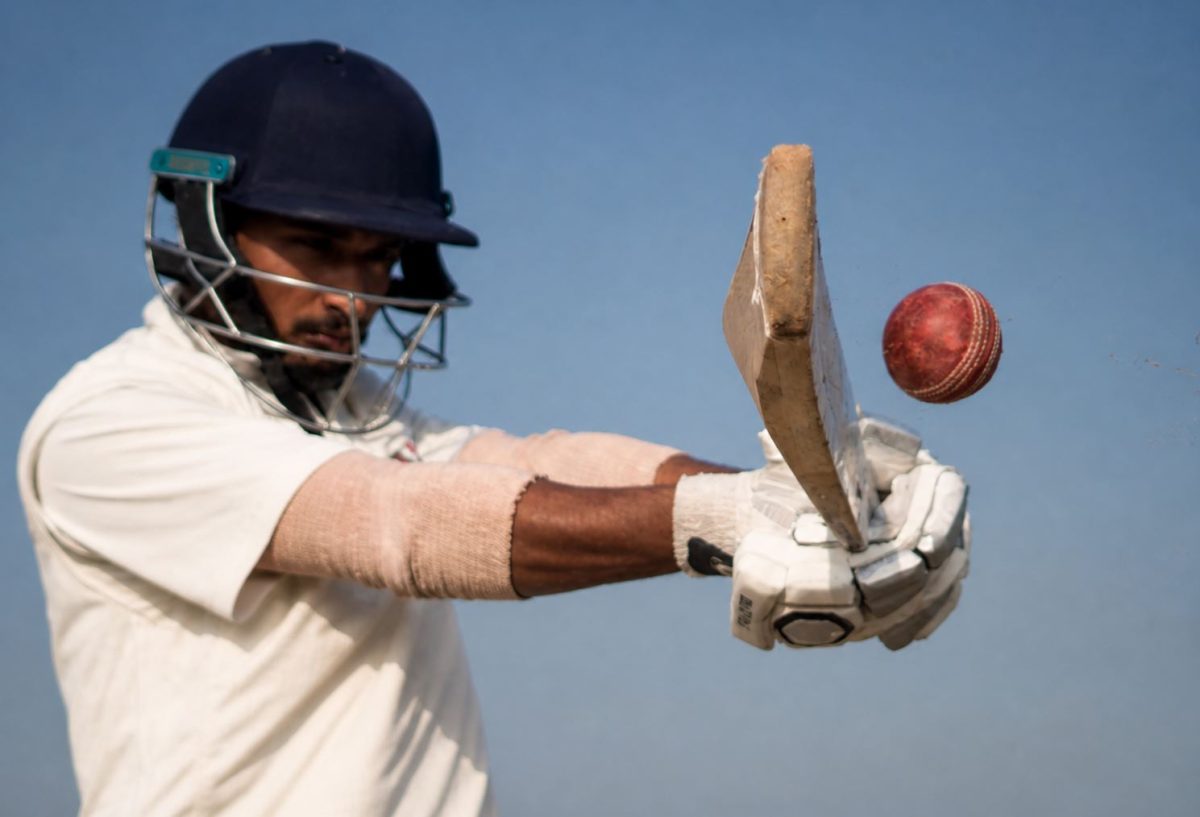
Tactical Frameworks: Field Settings and Bowling Rotations
Sri Lanka’s spinners are capable of much more than just bending the ball. For example, with his use of flight, varying speed, and purposeful drifting of the ball (that is intended to be unplayable), Prabath Jayasuriya has become the quickest Sri Lankan to achieve 50 Test wickets; thus, he builds dismissals from the bowling end rather than relying on sharp turn. Melbet is a popular sportsbook throughout South Asia that offers a range of cricket markets (pre-match as well as in-play), and it lists ‘spin’ among its most frequently accessed search terms during Sri Lanka’s home Test series, which can serve as an indicator of how the local audience engages with Sri Lanka’s spin-based strategies.
A common experience for visiting batsmen playing away from their home grounds is that they will develop revised tactics for their second innings of play: increased aggression with the sweep shot, planned action when facing slow bowlers, and intentional left-right combination batting to disrupt consistent field placements.
The Lanka Premier League and Tactical Innovation
The Lanka Premier League (LPL) has served as a genuine testing ground for tactical experimentation since its inaugural edition in 2020. The 2023 and 2024 editions both highlighted a recurring franchise strategy: building spin-heavy bowling attacks for home conditions while signing overseas pace bowlers whose specific skill sets — sharp bounce on dry, low surfaces — complement rather than duplicate the local spinners.
Jaffna Kings and Kandy Falcons have both used LPL campaigns to trial bowling unit combinations that national selectors later adapted for bilateral series.
Perhaps the most significant structural shift the tournament has driven is a renewed investment in wrist-spin — leg-break and googly bowling — which Sri Lanka Cricket had long treated as secondary to its finger-spin tradition. The LPL’s compressed T20 format also encourages captains to use spinners in the powerplay, a tactic increasingly mirrored in Sri Lanka’s limited-overs approach at the international level, where the conventional wisdom of reserving spin for the middle overs has been regularly challenged.
Key tactical patterns that characterise Sri Lanka’s home cricket setup:
- Opening with swing bowlers during early-morning moisture, then transitioning to spin once the pitch dries and softens
- Deploying at least two specialist spinners from the first session on tracks expected to deteriorate
- Setting attacking infield positions — short leg, forward short leg — to left-arm spin to capitalise on bat-pad edges
- Using lower-order batters trained in the sweep and reverse sweep to extend competitive totals on turning surfaces
- Prioritising slip-catching training to convert the elevated edge-behind dismissal rates generated by off-spin on rough patches

Reading Conditions: The Captain’s Influence on Spin Management
The Sri Lankan team has made one decision that is far and away the most important when they are on the pitch. That is the choice of which way to flip the coin after their opponent makes theirs. The choice of which direction the ball would bounce was the deciding factor in what happened during the first Test. The surface became increasingly difficult to bat on as the days went by. As the third day came to a close, Sri Lanka had bowled out nearly all of India’s batting lineup for less than half of the total runs scored.
Sri Lanka also used similar tactics to knock out the top-order batsmen from India during the last three hours of play on the fourth and final day of the test. Spin bowling accounted for almost all of the dismissals of Indian batters in the second inning of both games. De Silva’s decisions as the captain were praised for his use of discipline in rotating his spinners into action, as well as making aggressive field placement choices at key moments in time.
The table below illustrates the general split between spin and pace bowling in Sri Lanka’s home Tests across a four-year period.
| Period | Spin Wickets (%) | Pace Wickets (%) | Home Series Result |
| 2021–2022 | 67% | 33% | 4W – 1L |
| 2022–2023 | 60% | 40% | 3W – 2L |
| 2023–2024 | 71% | 29% | 5W – 0L |
| 2024–2025 | 64% | 36% | 3W – 1L |
The data reflects a consistent pattern: Sri Lanka’s home win rate rises sharply when spin accounts for over 60 per cent of wickets taken. When pace exceeds 40 per cent — usually a sign that surfaces did not break down as anticipated, or that visiting batters neutralised the turning ball effectively — results become less predictable. Under head coach Sanath Jayasuriya, who took the role in 2024, the national setup has reinforced this spin-first philosophy while simultaneously trying to develop a pace attack capable of contributing on flatter tracks abroad.
 INSIGHT, Inc. Appoints Jenny Sweatt as President to Lead Next Phase of Growth
 o9 Solutions & project44 accelerate their partnership to support businesses with supply chain planning
 Credit-Building Tips for People Who Struggle to Build Credit
 Hermes UK delivers the goods with smartphone barcode scanning technology from Scandit
 Multimodal 2024
 KB Event expands Krone fleet with 60 bespoke Dry Liners