

Large industrial facilities require systematic upkeep to maintain operational efficiency. Wall and floor coatings play a major role in organizing these massive commercial spaces – a key factor for productivity. Choosing the right industrial coatings keeps logistics operations running smoothly.
Proper maintenance protects both the physical building structure and the inventory stored inside.
Clean environments support a more productive workforce. Planning a painting project requires careful attention to safety regulations and facility layout.
Hiring Painters For Large Facilities
Warehouse managers often struggle with large-scale facility maintenance. Hiring professional interior painters helps businesses maintain a clean look. Experienced crews understand the unique needs of industrial spaces. They bring specialized tools to complete jobs safely.
Commercial projects require heavy equipment and tight operational schedules. Specialists manage these demands without disrupting daily shipping schedules. They protect expensive inventory from overspray during the application process. Dedicated teams work during 2 shifts to minimize disruption.
Choosing expert application teams guarantees that industrial coatings dry properly under particular humidity levels. Experienced teams complete large square footage within tight deadlines. This approach minimizes operational downtime for logistics companies. Business owners save money by avoiding costly application mistakes.

Safety Standards For Flammable Coatings
Industrial environments utilize various chemical mixtures on a daily basis. A government safety standard indicates that certain precautions are necessary when flammable paints or vehicles are used.
These rules prevent dangerous chemical reactions in enclosed storage spaces. Adhering to federal rules keeps employees safe from unexpected workplace hazards.
Storage areas must meet strict environmental guidelines to avoid fire risks. Proper ventilation keeps the air clean during the application process. Workers need appropriate safety gear when handling solvent-based products. Facility managers should monitor air quality levels constantly.
Facility managers must review safety data sheets before starting any coating project. Mixing chemicals requires dedicated spaces away from open flames.
Following these protocols protects the entire workforce during major building renovations. Safety compliance reduces liability risks for the corporation.
Color Coding Schemes For Hazard Visibility
Visual cues prevent accidents on the busy warehouse floor. Federal safety regulations state that yellow represents the basic color for designating caution and marking physical hazards.
This includes areas where employees might trip or fall. Clear color definitions prevent serious workplace injuries.
Bright paint highlights certain zones to protect workers from accidents. Particular locations need clear markings:
- Structural steel columns
- Storage rack corners
- Main pedestrian walkways
Proper application makes these danger zones visible from a distance.
Bright markings guide forklift traffic through narrow aisles. Clear boundaries keep pedestrians safe from heavy machinery. Consistent color application across the facility creates an intuitive safety network. New employees learn layout hazards much faster with visual aids.
Manufacturing Quality And Health Guidelines
The types of paint selected can impact long-term air quality inside the facility. National health archives share that clear guidelines exist for health and safety in the manufacture of paints, varnishes, lacquers, and enamels.
Understanding these manufacturing processes helps managers select safer products. Quality mixtures perform better under harsh industrial conditions.
Low-emission options protect warehouse workers from breathing harmful chemical fumes. High-quality coatings withstand constant scrubbing and industrial cleaning. Selecting durable mixtures reduces the frequency of repainting cycles.
Eco-friendly coatings lower the presence of volatile organic compounds in air distribution systems. Safe chemical compositions prevent long-term respiratory issues for staff members. Facilities maintain better air quality metrics by choosing verified products.
Durability Requirements For High Traffic Floors
Concrete floors bear the brunt of daily logistics operations. Constant forklift traffic creates severe wear on unprotected concrete surfaces. Heavy pallets scrape against the ground throughout the week. Unprotected floors crack and create dust under heavy loads.
Protective floor coatings seal the concrete against chemical spills. Clean surfaces reflect light better, which improves facility brightness. Well-maintained floors decrease long-term maintenance expenses. Businesses notice fewer machine maintenance issues on smooth floors.
Epoxy applications provide a thick barrier against impact damage from dropped tools. These coatings prevent concrete dust from rising and settling on stored products. Clean facilities experience fewer inventory damage claims. Durable floors increase the property value of the facility.
Lighting Optimization Through Strategic Paint Choices
Dark ceilings absorb artificial light and increase utility bills. Glossy white paint reflects light back down to the work floor. This simple change reduces the number of light fixtures needed by 20%. Energy efficiency improves immediately after application.
Better visibility reduces picking errors among warehouse staff. Workers can read product labels faster from a distance. Bright spaces improve employee alertness during late-night shifts. Proper lighting reduces eye strain for floor staff.
Reflective walls maximize the output of existing LED setups. Energy consumption drops when facilities utilize natural reflectivity. Lower utility costs improve general operational budgets. Companies hit sustainability goals faster with smart paint choices.
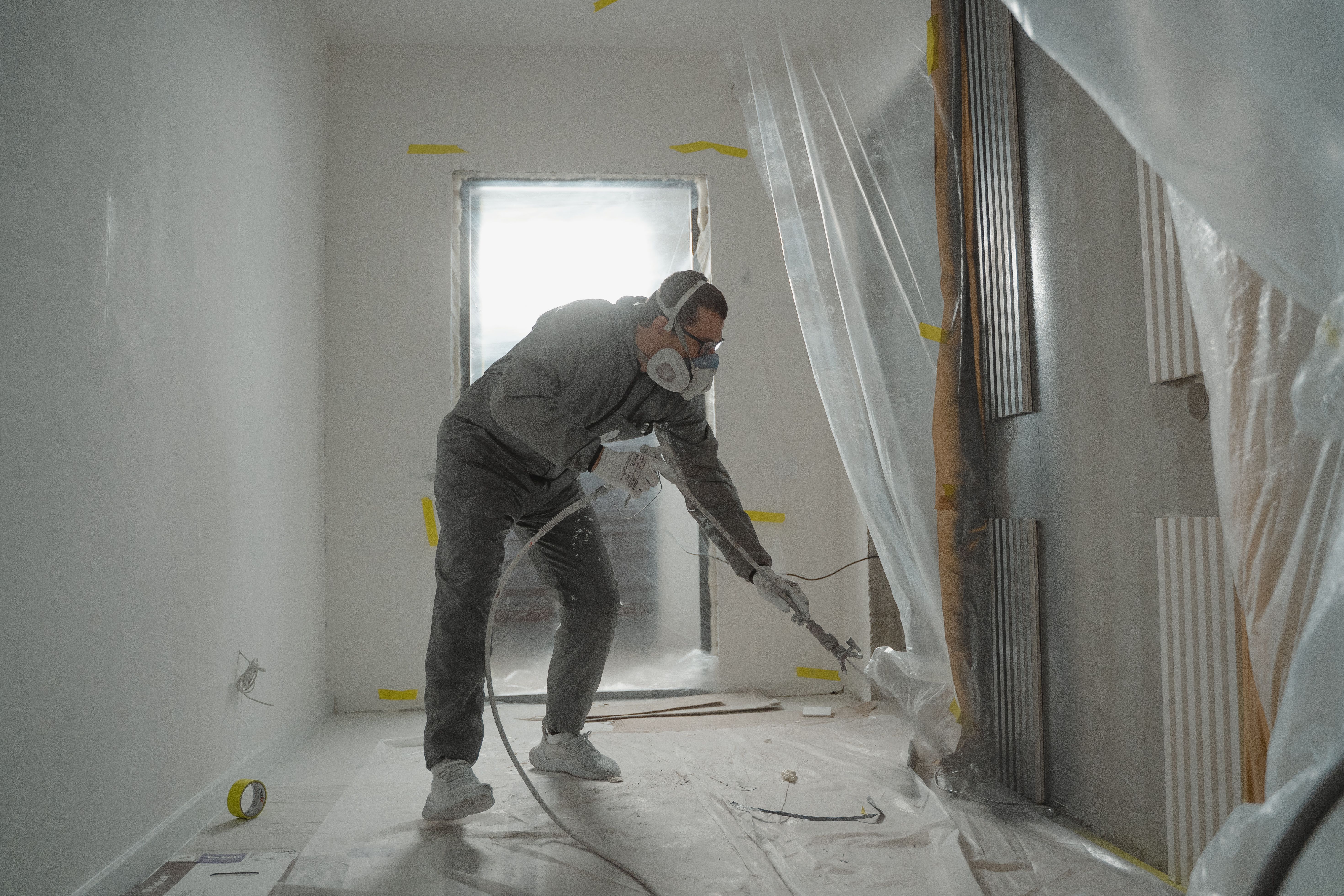
Weather Protection For Loading Docks
Exterior elements impact interior warehouse conditions. Loading bays face constant exposure to rain, wind, and temperature shifts. Unprotected steel doors rust quickly under wet conditions. Damaged doors compromise facility security.
Specialized exterior coatings seal out moisture to prevent structural rot. Maintaining the exterior envelope keeps water from seeping into inventory zones. Strong sealants shield the building from harsh climate changes.
Rust-inhibitive primers extend the lifespan of metal bay doors. Regular inspections catch peeling paint before moisture damages the underlying steel. Proper exterior upkeep protects the financial investment in the facility. Well-kept buildings project a professional corporate image.
Managing a modern warehouse requires balancing safety, efficiency, and property maintenance. Implementing strict facility painting standards helps achieve these goals. High-quality coatings protect assets and keep workers secure.
Evaluating the particular needs of each zone determines the best coating strategy. Consistent upkeep prevents costly structural repairs later. Clean, bright, well-marked industrial spaces support superior logistics performance.
 SmoothOperator – Ongoing campaign trojanises 3CXDesktopApp in supply chain attack
 Josam Cam-aligners from AES UK are cost-saving “no-brainer” for major bus operator
 The Impact of AI Data Analytics on Business Decision-Making
 Technology Investment on the Rise to De-Risk Supply Chains, According to Latest FourKites Research
 M&S closures due to supply chain crisis; is this the start of a wider trend?
 Is the LockBit takedown really a victory for law enforcement