

Over the past few decades, manufacturing has dramatically changed. We have technology to thank for that. One of the biggest developments has definitely been the growth of additive manufacturing. It has once been used mainly for prototyping, but it is not playing a major role in all kinds of industries, ranging from automotive and aerospace to healthcare and consumer products. Here is an overview of what it is.
Companies are nowadays using additive manufacturing to create not only prototypes, but also custom parts, tools, and even finished products. So, if you are considering this technology for your business, you want to first understand what it is and why it may be the right option for you. Then, you also want to know how to choose the right additive manufacturing company to be your partner in the process. That is just as important as understanding the actual process.
In short, you have some important questions on your mind. And we are now going to answer them for you below. Keep on reading to find out what additive manufacturing is and why you may need it, as well as to learn how to choose the right company to do the necessary work for you. Without much more ado, let us start answering those questions for you right away.
What Exactly Is Additive Manufacturing?
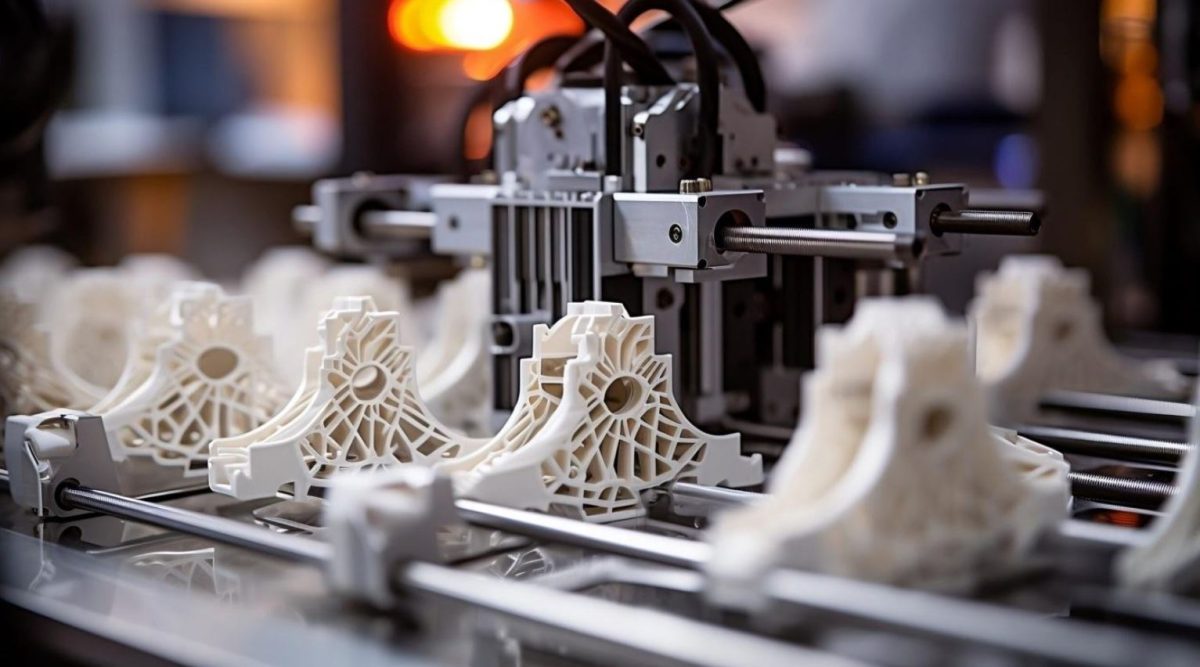
We are going to begin with the very basics here. So, to cut right to the chase, additive manufacturing is a production process that is used to create parts by adding material layer by layer, based on a digital design. Traditional manufacturing methods remove material through cutting, machining, drilling, or other methods. But this type works in the opposite way, building the parts gradually until they reach the final shape.
As you can probably understand already, since the material is added instead of removed, this particular approach reduces waste. At the same time, it allows for highly complex geometries that may be quite difficult, or even impossible, to produce through those conventional methods. The term ‘additive manufacturing’ is often used interchangeably with ‘3D printing’, but this process generally refers to industrial applications involving advanced equipment and engineering-grade materials, as well as production-quality components.
How does it all work, though? Well, every project starts with a digital 3D model. Then, the manufacturing system builds the item one layer at a time, using the selected printing technology and material. If you take a look at Norra AM, you will realise that you can undeniably print pretty much anything you need, as long as you have the right partner on your side. The exact workflow will depend on factors like the printing technology, the materials, and the intended use of the finished component.
Why Use It to Your Advantage?
Before we get to talking about how you can choose the right company to be your partner in this process, we have to make sure that you understand some of the benefits of this option. So, why should you use additive manufacturing in the first place? There are, clearly, some rather important benefits that come with this particular solution.
Those benefits include design flexibility, reduced material waste, as well as customisation for individual applications. Then, there is also the benefit of faster prototype development, as well as shorter product development cycles, and the production of complex geometries. And we also cannot fail to mention the lower tooling requirements and the efficient low-volume production. In short, these advantages can improve development time and production efficiency, and that is clearly important.
How to Choose the Right Company for You?
Okay, now that you understand what additive manufacturing is and why using it may be a good idea, you have one more question on your mind. Basically, you want to know how to choose the right company for you. And, well, you will definitely have to consider some important things in that process.
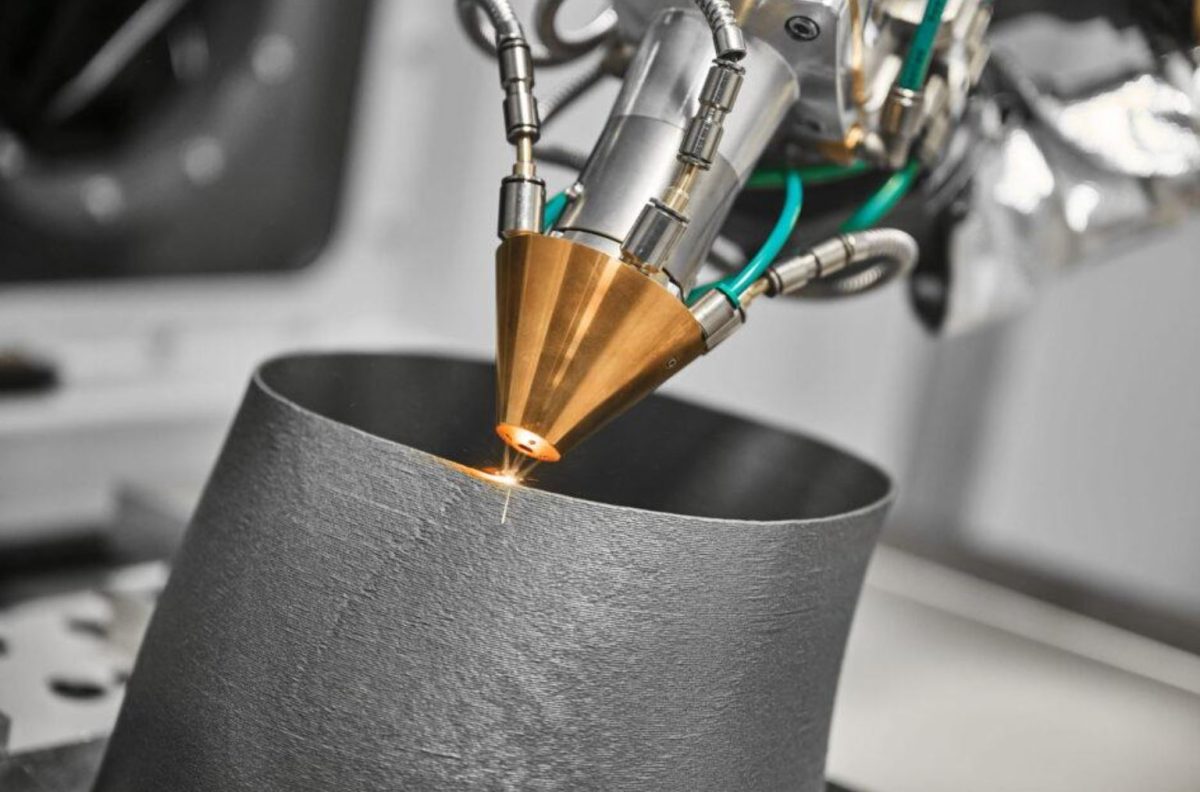
For one thing, you will have to define your project requirements and objectives. Think about what you need, including the materials, the mechanical properties, and the printing types, as well as the production timeline and similar. Keep in mind that there are different additive manufacturing methods available, each suited to different applications, and you can see at https://www.engadget.com/hitting-the-books-cosplay-a-history-andrew-liptak-saga-press-150038986.html just how useful it can be for all kinds of purposes when done correctly.
Moving on, check the engineering expertise of the companies you are considering. This kind of expertise and experience will help you maximise the advantages of technology. Make sure, therefore, to inquire about it before going any further.
Apart from all of that, you should also inquire about quality control. Consistency in quality matters. Then, also inspect reputation. And, of course, don’t forget to check and compare the prices while keeping all the other factors mentioned in mind. In the end, make your choice and start using this method to your advantage.
 Epicor Launches Industry’s First ERP AI Agent with Outcomes-Based Pricing to Accelerate Supplier Decisions
 How Real-Time Manufacturing Operations Drive Competitive Advantage in Volatile Markets
 ERP at the heart of evolution – Carrs Tool Steels & Priority Software
 Addressing Burnout in Supply Chain Management
 What To Look For When Buying A New Gutter Machine
 Apple iOS update