

Industrial facilities face sudden disruptions when severe weather or grid failures hit.
Keeping crews fed and ready to work during crises demands fast planning and secure supply lines.
Off-grid dining setups keep major plants running without sacrificing safety or worker morale.
Strategic preparation makes a significant difference when standard food services go dark.
Rapid Response Supply Networks
Industrial sites need immediate food support when power outages or natural disasters strike. Staging pre-packed non-perishable goods near primary plants shortens mobilization timelines. Mobile units arrive ready to serve hot meals within hours of a callout.
Facility managers coordinate with specialized providers long before storms or hurricanes threaten regional infrastructure. Operations teams rely on strong Houston catering capabilities to maintain complete nutritional support during extended facility lockdowns. Coordinated networks bring high-volume food preparation directly to remote field sites.
Fast delivery relies on dual-sourced transport routes and secondary power generators. Having backup fuel reserves keeps refrigeration systems running without interruption. Crews receive hot dishes regardless of surrounding grid status.
Mobile Kitchen Infrastructure
Self-contained kitchen trailers form the backbone of field dining operations. These vehicles house commercial-grade cooking gear, clean water storage, and independent generators. They operate completely disconnected from municipal utility lines.
Industry reports project the global emergency catering services market to reach $4.2 billion by 2033. Advances in mobile cooking tech drive much of this rapid market growth. Modern trailers feature rapid-deploy prep stations that process thousands of portions daily.
Sanitation protocols remain strict even inside temporary field structures. Integrated handwashing stations and greywater containment systems keep working areas fully compliant with health standards. Clean cooking spaces prevent widespread illness among key plant staff.
Nutritional Planning for High-Demand Labor
Industrial workers perform physically demanding tasks during emergency recovery operations. Diets must contain balanced proteins, complex carbohydrates, and hydration supplements to prevent exhaustion. Proper meal planning maintains steady physical performance throughout long shifts.
Field menu design focuses on sustained energy rather than heavy, sleep-inducing options. Feeding large teams requires distinct dietary categories:
- High-protein entrees designed to rebuild stamina after 12-hour shifts.
- Electrolyte replacement beverages to maintain proper hydration levels.
- Pre-packaged allergen-safe meals stored in separate containers.
Serving schedules match rotating shift patterns to guarantee every worker gets fresh food. Staggered meal times prevent long queues and keep site operations moving smoothly. Continuous food service supports continuous plant recovery.
Cold Chain Security and Food Safety
Temperature control remains a main concern during extended power disruptions. Industrial food logistics teams use refrigerated trailers with automated sensors to track temperature changes. Remote monitoring systems alert coordinators before food spoils.
Market research indicates the disaster relief logistics market reached $7.6 billion in 2025 and may reach $13.4 billion by 2035. Expanding supply chains help secure climate-controlled storage across high-risk regions. Investing in reliable cold storage protects massive food investments.
Rigorous inventory tracking maintains proper stock rotation during long events. First-in, first-out inventory systems reduce waste and keep ingredients fresh. Certified health inspectors oversee food handling from delivery trucks to serving lines.
Scalable Meal Distribution Models
Scaling up meal counts quickly depends on flexible logistics frameworks. Facilities often start with 50 emergency workers and expand to 500 within 24 hours. Modular catering setups allow operations to expand seamlessly without service delays.
Data forecasts show the disaster relief logistics industry expanding from $15.24 billion in 2025 to $31.36 billion by 2035. Growth in logistics technology helps field teams manage sudden population spikes during crises. Digital tracking apps monitor meal counts in real time.
Distribution points must remain accessible to crew vehicles throughout the day. Strategic placement near main access roads cuts travel time for workers taking quick breaks. Smooth traffic flow keeps shift handoffs on schedule.
Vendor Contracts and Pre-Event Preparedness
Setting up advance service contracts protects industrial facilities against sudden price spikes. Preparedness agreements outline guaranteed response times, meal quantities, and equipment delivery conditions. Clear contracts eliminate confusion when emergency situations arise.
Annual drills test emergency feeding protocols before real disasters hit. Mock deployments reveal bottlenecks in site access, power hookups, and waste removal. Refining logistics plans during peacetime saves valuable hours during actual emergencies.
Strong partnerships between plant managers and feeding specialists build long-term operational resilience. Clear communication channels line up resource ordering during chaotic situations. Trusted relationships keep facilities running when disaster strikes.
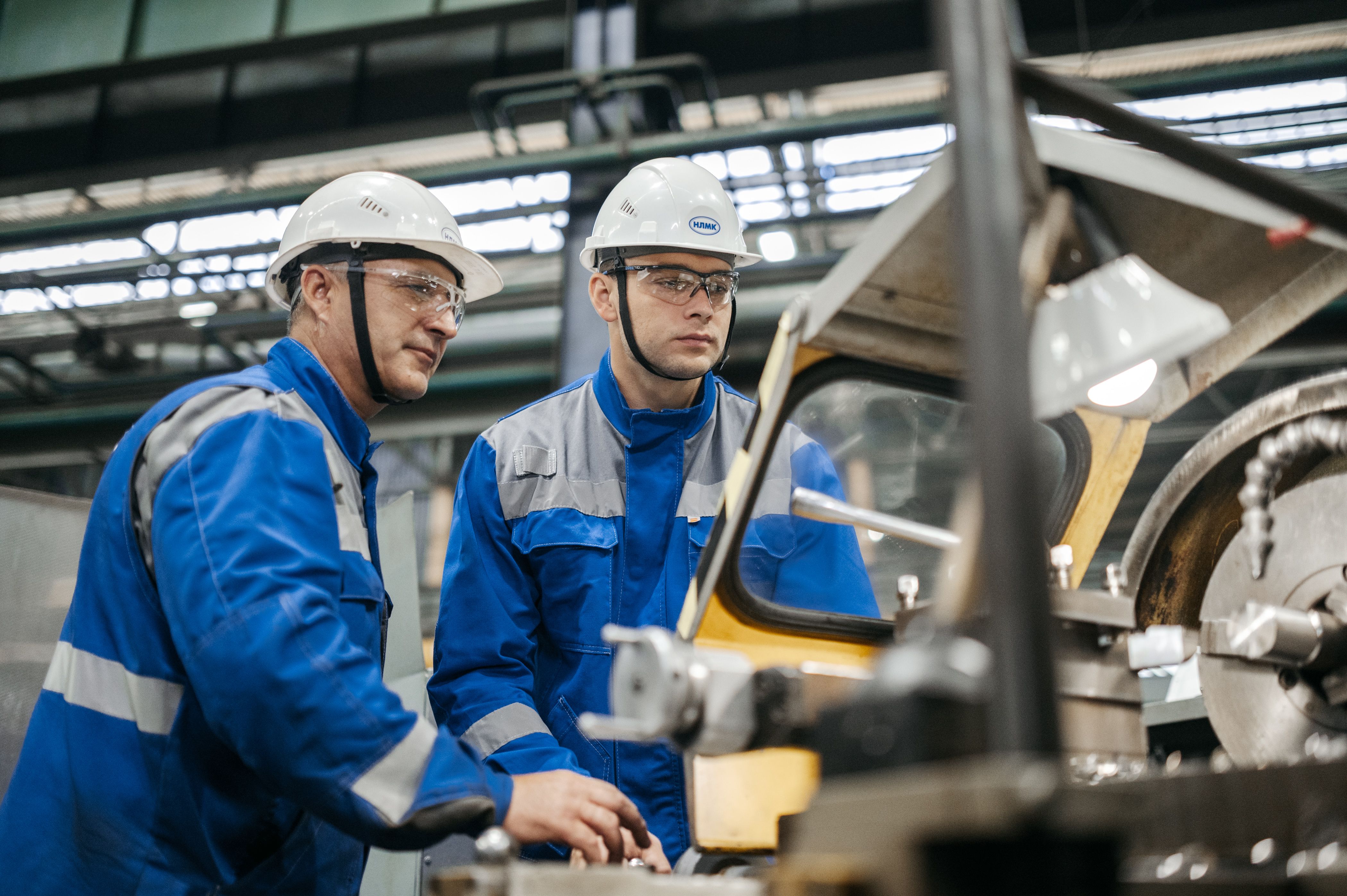
Industrial emergency feeding requires clear coordination, reliable equipment, and rapid supply networks. Preparing for grid failures guarantees crew health and operational stability when standard services collapse.
Investing in mobile kitchen infrastructure and pre-event contracts protects business continuity. Well-fed recovery teams work safely and efficiently to restore plant operations.
 The advantages of starting a business in the UAE
 German Live Commerce Expert HSE Deploys Aptos’ Next-Generation PLM Solution
 Advanced boosts operational excellence with COO appointment
 Gartner Supply Chain Planning Summit 2023
 Study Finds 50% of SMBs Have Experienced a Website Breach & 40% Are Being Attacked Monthly
 How Emerging Technologies Are Improving Construction Supply Chains