

Managing roofing expenses across supply chain facilities requires a clear strategy to keep operational costs low.
Commercial facilities, such as distribution centers and warehouses, depend heavily on sturdy roofs to protect goods from environmental damage. Ignoring early signs of wear leads to massive structural headaches and budget deficits later on.
Facility managers must balance daily operations with active maintenance plans. Roof repairs represent major recurring expenses for long-term logistics networks.
Smart budgeting ensures that sudden damage will not halt critical supply chain operations unexpectedly.
Budgeting for Industrial Roof Maintenance
Planning an operational budget starts with predicting maintenance schedules across all properties. Routine checks help managers spot small leaks before they compromise stored inventory. Facility directors who plan annual inspections avoid budget surprises during storm seasons.
When updating older physical assets, working with reliable regional specialists like a roofing company for homes and businesses can help lower long-term structural costs. Local professionals bring deep knowledge regarding regional weather patterns and seasonal building needs. Choosing trusted experts ensures every facility stays safe and compliant.
Industrial properties need clear funding allocations for unexpected roof repairs each year. Keeping a dedicated emergency repair reserve prevents sudden operational stops across distribution hubs. Spending funds on small upkeep projects protects the financial health of the supply chain network.
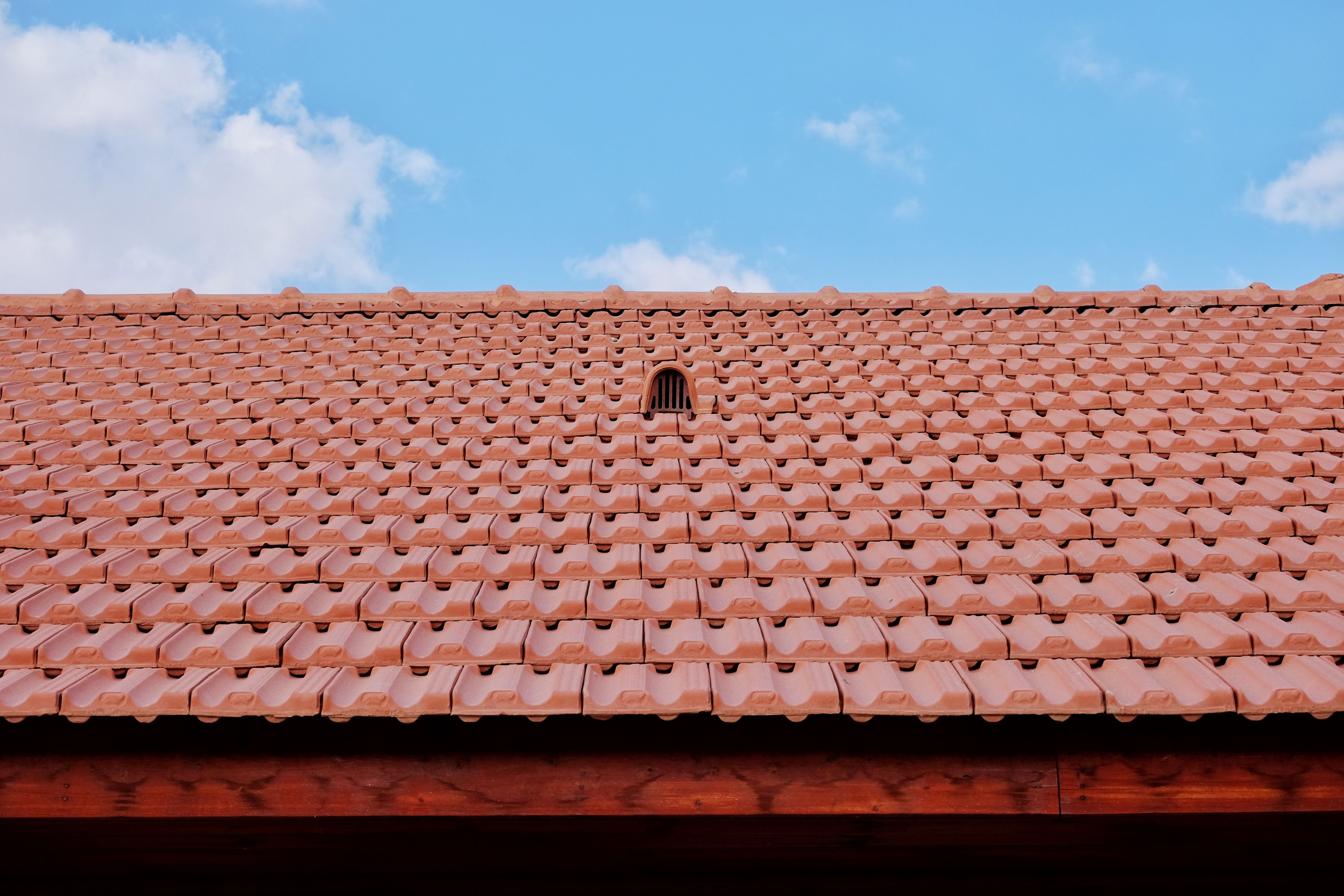
Factoring in Replacement Costs
Every physical building structure reaches a point where continuous repairs become inefficient. Reroofing projects account for more than 70% of total commercial roof spending due to aging building stocks. Scheduling full replacements during off-peak logistics seasons reduces structural downtime.
- Material choices like single-ply membranes or durable metal panels
- Total square footage of the industrial facility footprint
- Labor rates within specific regional commercial zones
- Disposal costs for removing existing degraded roofing materials
A new commercial flat roof installation ranges from $3.50 to $13.50 per square foot. Supply chain leaders use these clear metrics to build accurate long-term expense models. Accurate cost planning helps keep corporate capital expenditure predictions realistic.
Choosing Energy Efficient Roofing Materials
Modern commercial roofs offer energy advantages that cut daily utility costs significantly. The global roofing market continues to transform through innovations in eco-friendly roofing materials. Selecting reflective surface coatings helps regulate internal warehouse temperatures without overworking HVAC units.
Green choices reduce thermal stress on the building structure itself over time. Cooler roof surfaces lower peak electricity demand during hot summer months. Lower utility bills free up operational budget dollars for other core logistics needs.
Eco-friendly upgrades often qualify commercial properties for regional energy tax incentives or rebates. Taking advantage of these financial programs lowers total project installation costs. Smart material choices ultimately serve both environmental and financial organizational goals.
Selecting Metal Solutions for Durability
Metal installations are becoming a top choice for major industrial properties. The metal roof market is projected to grow at a revenue CAGR of 4.7% due to long-term performance benefits. These systems withstand severe storm conditions far better than traditional asphalt alternatives.
Metal roofs require less frequent repair interventions over their long operational lifespan. Lower lifetime upkeep requirements make them a strong investment for warehouse network operators. Durability keeps long-term operational costs stable over several decades.
Nonresidential Building Upgrades and ROI
Upgrading nonresidential facilities directly improves overall asset values across logistics portfolios. Nonresidential applications represent a major segment of overall commercial building upgrades. Upgraded roofs increase property resale value and attract higher-quality tenant contracts.
- Lower annual maintenance costs over extended timeframes
- Improved protection against sudden inventory loss or product damage
- Better structural rating scores for corporate property insurance reviews
- Enhanced overall building insulation that cuts monthly utility bills
Property updates provide a steady operational return on investment through reduced emergency risk. Safe buildings help logistics networks run smoothly without costly surprise delays. Strategic capital investments keep individual property nodes working efficiently within global supply networks.
Timely Inspections to Prevent Major Leaks
Preventative maintenance makes all the difference in extending the useful life of a commercial roof. Catching minor membrane tears early prevents moisture from penetrating secondary structural layers below. Timely patch jobs cost a fraction of full roof replacement projects.
Seasonal weather shifts bring heavy rain, snow loads, or intense thermal expansion cycles. Facility managers should schedule thorough structural evaluations after severe storm events pass. Catching small problems early stops water from reaching sensitive inventory below.
Managing Contractor Relationships Effectively
Building strong partnerships with certified commercial roofers guarantees fast emergency response times. Supply chain managers who negotiate multi-property service agreements secure better labor rates. Standardized maintenance agreements keep repair practices consistent across all facilities.
Contractors should provide clear timelines and project scopes before any structural work begins. Clear contracts protect supply chain operators from unexpected fees mid-project. Transparent communication keeps projects on budget and on schedule.

Proactive roof management keeps supply chain properties operating at peak efficiency. Strategic material selection, routine inspections, and strong contractor partnerships control ongoing facility costs effectively. Protecting physical structures keeps inventory safe and operational budgets on track.
 Understanding the Process of Setting Up Banking for Freelancers
 Why Analytics is Changing Peak Season for Digitally Savvy Retailers
 The New One-Stop Shop for Learning Apache Kafka
 Littlefish makes strong start to 2021 with three key senior appointments
 Pegasus to manage workforce safety compliance at Barangaroo Station
 Essential Features to Consider in Amplifier Series for Industrial Automation Systems