

Recovering from physical injury or managing persistent body pain looks completely different today than it did a decade ago.
Physical therapy clinics adopt modern digital tools that change how patient movement is measured and treated across every stage of recovery.
Patients no longer rely solely on basic stretches or manual exercises performed inside a clinical room.
Advanced medical hardware and intelligent software systems now guide personal recovery paths with clear performance
Smart Sensors Tracking Movement
Precision motion sensors track joint angles and muscle activation during active exercise sessions. Patients see immediate movement feedback on digital display screens, making each individual motion far more deliberate. Visual indicators help individuals adjust body position directly on the spot.
Clinicians rely on precise movement metrics to design tailored exercise programs. Booking specialist services allows individuals to receive personalized recovery plans based on precise physical metrics. Patients achieve better biomechanical balance when quantitative movement data guides their daily exercise routine.
Tracking rehabilitation progress digitally keeps patients motivated throughout long recovery journeys. Clear visual indicators highlight small physical improvements week after week. Therapists adjust movement targets quickly as patient strength improves.
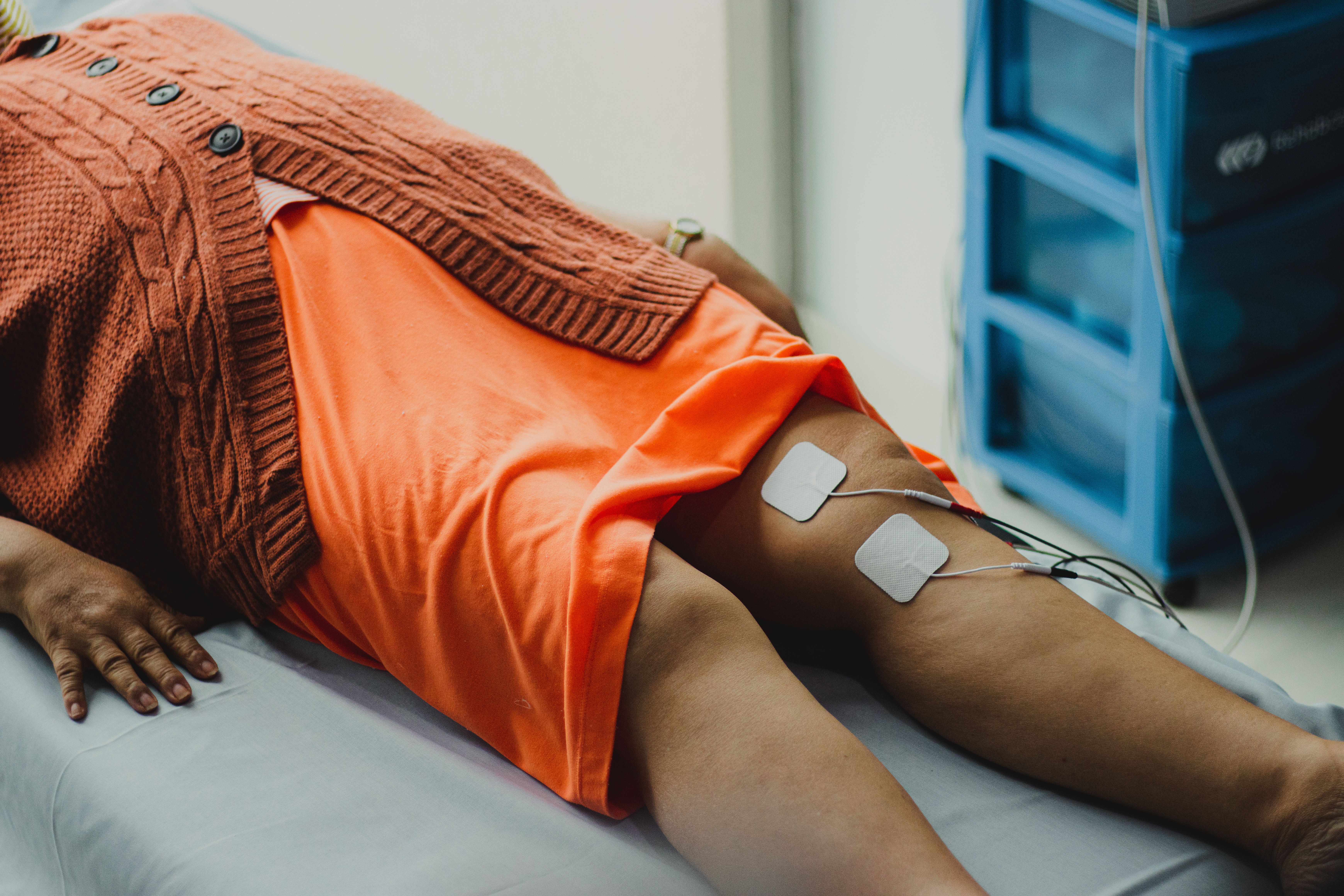
Virtual Reality Immersive Training
Virtual reality environments transform routine rehabilitation exercises into interactive movement challenges. Market intelligence from 360iResearch showed the virtual reality rehabilitation sector stood at $1.03 billion in 2025 before rising toward $1.13 billion. Interactive digital worlds encourage patients to move further without noticing physical fatigue.
Stroke survivors and balance patients gain valuable confidence from simulated movement environments. Stepping over virtual obstacles builds real-world spatial awareness in safe surrounding spaces. Gamified exercise routines keep individuals returning consistently for their daily training sessions.
Clinicians monitor movement patterns directly from a central control desk. Real-time software alerts therapists when a patient favors one leg or compensates improperly during reps. Immediate movement corrections prevent poor movement habits from forming early in recovery.
Remote Telehealth and Digital Monitoring
Living far away from physical therapy clinics used to delay patient recovery timelines. GHP News highlighted research proving remote therapies achieve comparable outcomes to in-person sessions, keeping quality care accessible anywhere. Video consultations allow movement specialists to review patient exercise forms directly inside home environments.
Digital home platforms send automated reminder prompts for daily rehabilitation homework. Patients log daily discomfort levels and complete prescribed movement reps on mobile tablets. Therapists review uploaded digital logs between weekly appointment times.
Direct communication channels keep recovery consistent across extended rehabilitation schedules. Quick text check-ins clear up user questions regarding proper exercise technique. Patients feel supported without traveling across town for simple checkups.
Robotic Exoskeletons Aiding Mobility
Robotic walking suits assist individuals in relearning fundamental gait mechanics after major trauma. Motorized joint supports carry the user’s body weight and guide legs through natural walking strides. Patients complete hundreds of proper steps per session without risking dangerous physical falls.
Neural pathways rebuild faster through repetitive motion under controlled weight-bearing conditions. Individuals recovering from severe spinal injuries regain confidence standing upright during sessions. Clinical teams adjust walking speed and motor assistance levels using simple touch screens.
Exoskeleton hardware continues to get lighter and easier for patients to put on. Compact equipment designs allow smaller therapy facilities to house advanced mobility frames. Early gait retraining shortens total hospital stay duration significantly.
Artificial Intelligence Treatment Planning
Intelligent algorithms analyze thousands of anonymized patient records to identify recovery patterns. Smart software suggests optimal exercise progressions based on patient age and injury type. Clinicians review automated suggestions to craft effective treatment paths.
Predictive models flag patients who face higher statistical risks of re-injury. Software programs adjust exercise intensity automatically when recovery speed slows down. Smart adjustments keep physical stress within safe physiological boundaries.
Data platforms combine clinical test scores with daily wearable tracker logs. Hardware tools assist therapists during weekly evaluations by capturing instant physical readings:
- Force plates measure ground reaction forces during dynamic jumps.
- Electromyography patches record muscle firing patterns during heavy lifts.
- Digital goniometers output accurate joint angle readings instantly.
Wearable Biofeedback Tools
Wearable sensor straps attached to limbs deliver tiny vibration cues when joint alignment slips. Patients correct their back posture or knee positioning mid-exercise. Instant vibration feedback stops improper joint stress before injuries occur.
Compact physical sensors monitor heart rate, step counts, and muscle strain throughout the day. Continuous recovery data flows directly into clinic software dashboards for ongoing analysis. Users track daily physical progress goals on mobile smartphone apps.
Smart clothing incorporates woven electronic circuits that measure muscle exertion continuously. Athletes wear specialized compression garments to monitor physical fatigue during intense workouts. Continuous data collection prevents overtraining injuries before symptoms appear.
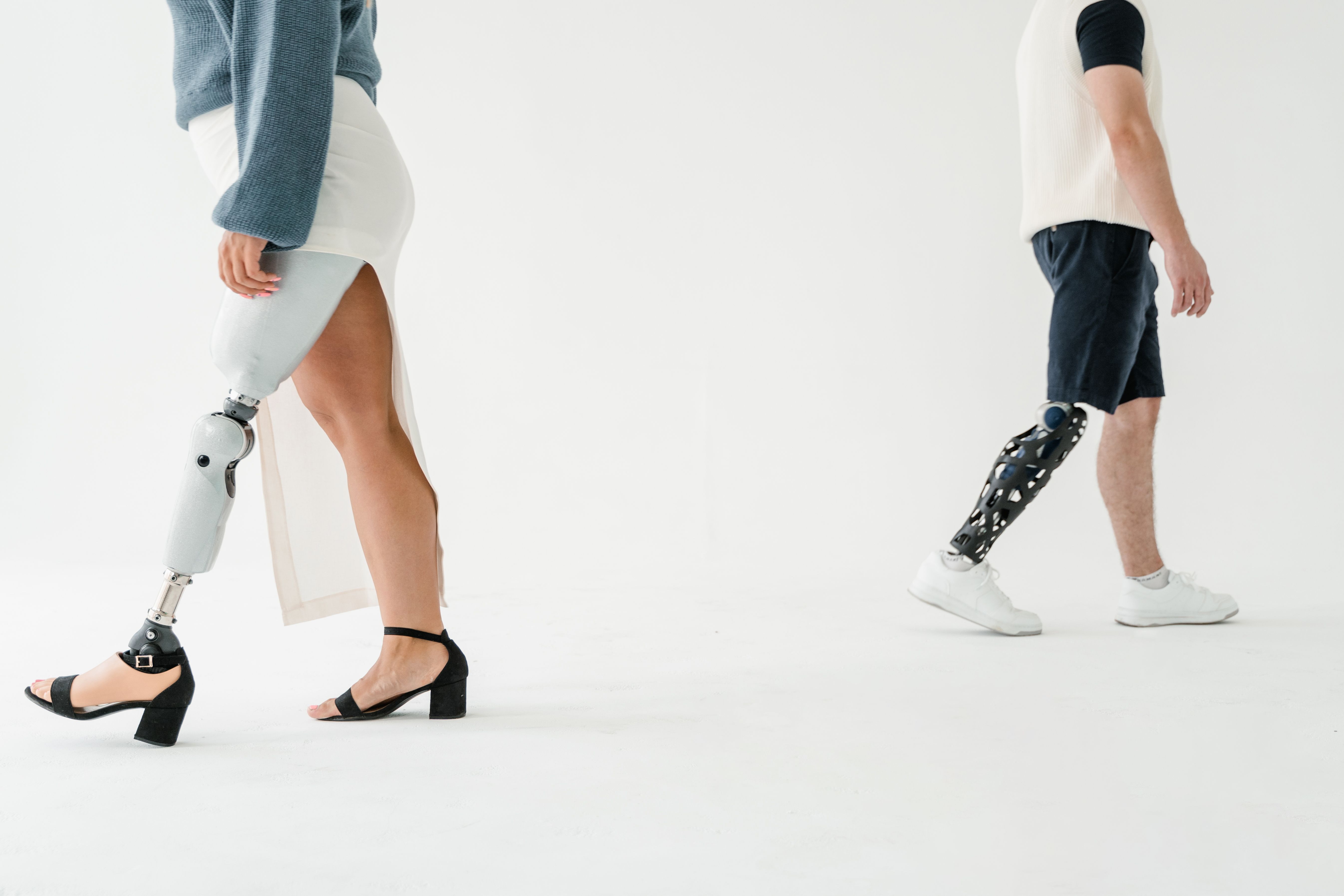
Advanced technology gives patients greater control over physical recovery goals across every stage of healing. Digital measurement tools provide clear proof of progress and keep training sessions engaging and safe.
Modern clinic technology will continue making physical rehabilitation faster, safer, and more precise. Embracing advanced tools supports long-term mobility and better health outcomes for every patient.
 World Quality Report 2019: Security practice is the biggest challenge for IT teams; 59% report deficiencies in controls that ensure compliance
 Real Estate Investment Strategies for More Consistent Profitability
 How to Fix Fuel Supply Planning in Just 4 Weeks
 BMW Group Revs Up iFACTORY Plants with SAP S/4HANA and Supply Chain Logistics
 All sectors need to embrace new technologies and improve digital literacy
 European businesses believe 2028 could mark the ‘tipping point’ when tech generates more revenue than workers