

Your distribution center moves fast, but sluggish manual barriers create friction every time a forklift stops to clear a pathway.
When your drivers pause at unyielding entry points, that minor hitch ripples across your entire delivery schedule while treated air escapes into the yard.
Modern automated access hardware solves this persistent bottleneck by turning busy portals into smooth transit corridors.
Upgrading your building with high-cycle operators protects interior climate conditions, shields mechanical parts from premature wear, and keeps your daily throughput right on target.
Which Actuator Assemblies Deliver Dependable Mechanical Balance?
Industrial facilities demand robust mechanical linkages that absorb continuous stress without rattling neighboring workspaces. Selecting engineered drive assemblies for sectional and tilt doors pairs high-tensile torsion springs with reinforced belt tracks so heavy panels glide smoothly along overhead rails. This balanced configuration minimizes motor strain during initial acceleration, delivering reliable motion throughout peak operating hours.
Your maintenance team avoids frequent cable realignment while preserving a quiet environment for adjacent offices. Choosing between chain drives and belt systems comes down to traffic intensity and acoustic tolerance.
Heavy sectional panels running hundreds of cycles daily benefit from continuous-duty direct-drive openers that bypass noisy gearboxes and minimize mechanical vibration across structural steel supports.
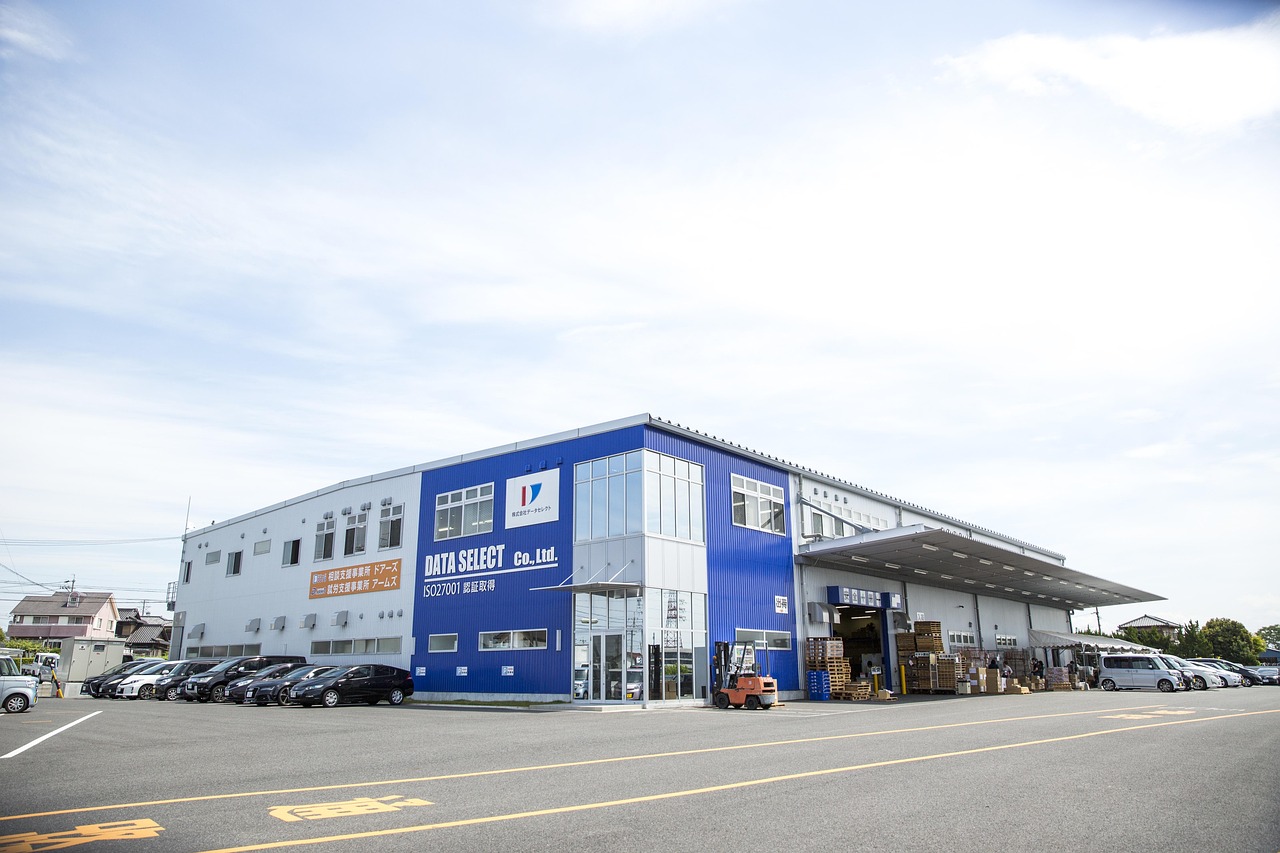
How Does Fast Door Cycling Act as an Operational Catalyst?
Fast-moving logistics hubs cannot afford manual delays at interior partitions. Reporting from Mexico Business News highlights how warehouse automation raises facility output by trimming unnecessary movements and speeding up repetitive tasks, allowing distribution centers to move freight without expanding their physical footprint. When you replace sluggish chain hoists with automated operators, you eliminate hundreds of daily vehicle stops across every shift.
Rapid cycle speeds protect your internal temperatures. High-speed openers seal loading bays right after a vehicle clears the threshold, preventing conditioned air from spilling into exterior zones. Your facility trims thousands of dollars from monthly utility bills while maintaining stable working environments for your floor staff.
Controlled access points keep interior logistics pathways predictable. Forklift operators travel through designated zones without dismounting to pull manual chains, which preserves steady vehicle momentum and prevents transit backups across primary traffic aisles.
Choosing the Right Counterbalance and Track Hardware
Every heavy commercial door relies on a balanced lifting system to offset panel mass during vertical travel. When your counterbalance matches door weight accurately, your motorized opener experiences minimal resistance, drawing less electrical current with every cycle.
Routine Spring Calibration Checks
- Inspect spring tension regularly: Schedule quarterly inspections to confirm your counterweight assemblies hold correct balance across all travel phases.
- Lubricate high-friction pivot points: Apply industrial synthetic lubricants to torsion shafts and track bearings to prevent premature metal fatigue.
- Monitor track alignment closely: Watch for uneven rail gaps that create physical drag and strain your motor gearbox.
Why Are Fail-Safe Sensors Critical for Facility Safety?
Busy loading zones present daily collision hazards when rapid traffic crosses open door paths. Equipping your automated doors with multi-beam infrared photo eyes and light curtains creates an invisible safety field across the doorway opening. If a pallet jack, cart, or worker breaks the perimeter beam during descent, the controller halts and reverses panel travel within milliseconds.
Emergency preparedness requires dependable manual overrides. When an unexpected power outage strikes your industrial park, your crew needs immediate access to secondary releases. Floor-level mechanical pull cables allow your operators to disengage motorized drives quickly, keeping critical shipping lanes open during municipal grid interruptions.
Integrated receivers connect entrance hardware directly with your broader facility management software. Your security team can track door cycles, restrict unauthorized entry into secure zones, and receive automated notifications if a bay door stays open beyond programmed time limits.
How Do Diagnostic Systems Prevent Costly Downtime?
Unscheduled door breakdowns bring loading bays to a standstill, leaving delivery trucks idling outside your docks. Research published by Control.com reveals that automated monitoring and smart diagnostic systems cut unscheduled operational downtime by 35% to 45% through predictive alerts and targeted service routines. By receiving early warnings about mechanical friction or motor heat spikes, your maintenance team fixes minor issues before hardware fails.
Digital cycle counters take the guesswork out of industrial maintenance intervals. Rather than relying on calendar dates, your staff schedules hardware replacements based on actual physical operations. Replacing worn bearings and drive belts right before their projected fatigue limit extends the service lifespan of your primary operator.
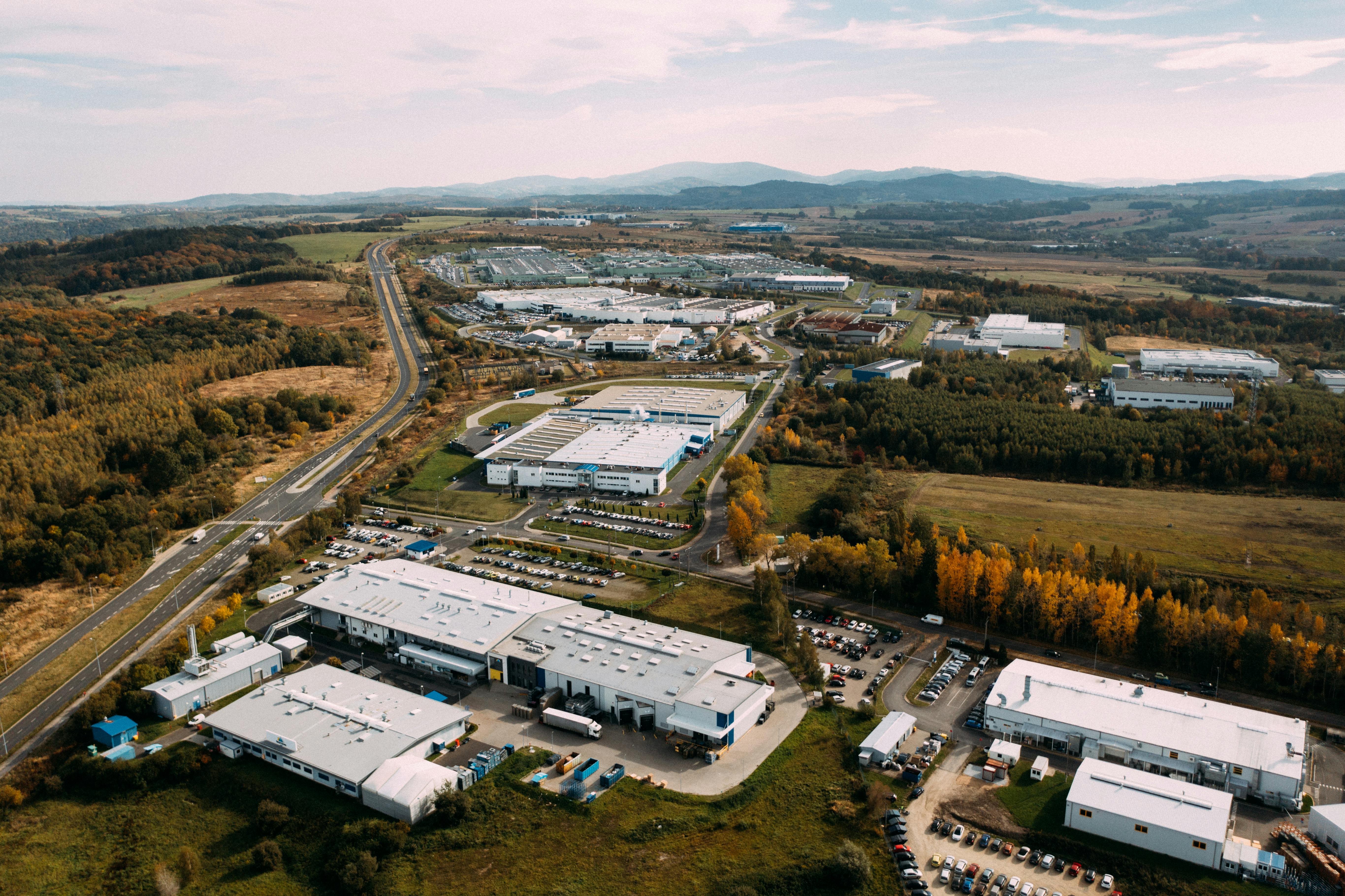
What Key Steps Upgrade Your Entrance Infrastructure Smoothly?
Modernizing your commercial entrance infrastructure requires careful coordination between structural capacity and daily traffic volumes.
You achieve the best return on investment when you evaluate opening dimensions, wind load ratings, and average hourly cycle counts before purchasing replacement hardware. Partnering with certified commercial door technicians guarantees that your high-cycle operators integrate smoothly with existing building management networks.
Upgrading your entrance automation preserves mechanical longevity and optimizes facility access across high-volume distribution centers. Investing in reliable high-speed operators and dependable counterbalance systems protects your bottom line, keeps floor personnel moving efficiently, and secures the long-term productivity of your commercial facility.
 Most Pervasive Cyber Threats SMBs Should Know in 2023
 Prison sentences called for, & organisations should say ‘no’ to ransom demands, say three quarters of Security poll
 5 Ways B2B Cloud Integration Can Improve Supply Chain Resilience
 Packsize to Acquire Panotec, Further Increasing Global Automated Packaging Solutions’ Reach
 What You Need to Know About Mesothelioma and Its Risks
 ONS retail figures a big relief for retailers, despite ‘pingdemic’ impact