

Walk into an electronics store today, and you might notice something familiar about smartphones from different manufacturers.
Several devices feature flat metal frames, rounded corners, minimalist camera arrangements, large displays, and carefully simplified interfaces. Although these phones carry different brand names, some design choices resemble those popularized by Apple.
This similarity raises an interesting question: Why do competing smartphone manufacturers adopt design elements associated with the iPhone?
The answer involves more than imitation. Apple’s influence comes from its ability to establish recognizable design trends, shape consumer expectations, and demonstrate what premium smartphones can look and feel like.
Understanding this phenomenon also offers an interesting perspective on competition, originality, and strategic decision-making, concepts that can be explored through experiences such as Peryagame on GameZone.
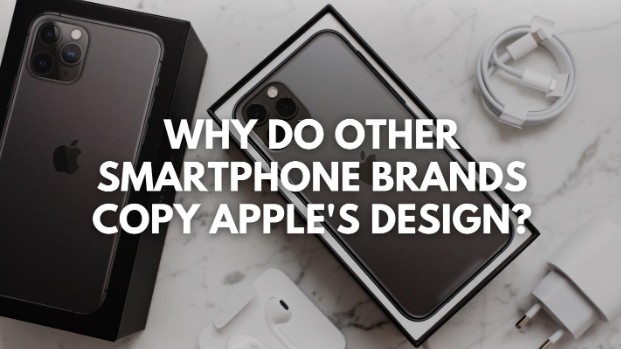
1. Apple’s Design Creates Strong Consumer Recognition
One major reason other smartphone manufacturers follow Apple’s design direction is brand recognition.
Apple has spent years developing a consistent visual identity. Its products often emphasize clean surfaces, recognizable camera arrangements, premium materials, and relatively restrained branding. Even without seeing the Apple logo, consumers can frequently recognize an iPhone through its physical appearance.
This recognition creates commercial value.
Other manufacturers understand that familiar design elements can make their products appear modern, premium, and appealing to consumers who already admire Apple’s aesthetic.
However, adopting similar visual characteristics does not necessarily mean copying an entire product. Manufacturers can introduce their own materials, software features, camera technology, and internal hardware while maintaining familiar exterior elements.
2. Minimalism Has Become a Smartphone Design Standard
Apple helped popularize minimalist product design across consumer electronics.
Instead of emphasizing unnecessary decorative elements, minimalist smartphones focus on clean lines, balanced proportions, simple controls, and carefully arranged components.
This approach appeals to consumers because it makes devices look sophisticated without appearing visually complicated.
Other manufacturers have recognized the commercial advantages of this approach. Brands such as Samsung, Xiaomi, OPPO, and Google have developed their own interpretations of modern smartphone aesthetics.
Minimalism also provides practical advantages. A cleaner exterior can improve visual consistency, simplify product branding, and make a smartphone feel more refined.
The result is an industry where different manufacturers sometimes arrive at similar design decisions, even when their development processes are independent.
3. Premium Materials Influence Consumer Perception
Materials play an important role in determining how consumers evaluate smartphones.
Apple’s use of aluminum, glass, and carefully finished frames has contributed to expectations surrounding premium mobile devices.
Consumers increasingly associate metal construction, smooth finishes, and precise manufacturing with quality.
Competitors recognize this relationship. Many manufacturers have introduced glass backs, metal frames, polished edges, and other premium finishes to make their products more attractive.
These similarities are not always direct imitations. They also reflect broader consumer demand.
When customers consistently prefer devices that look and feel expensive, manufacturers have a commercial reason to explore comparable materials and construction techniques.
4. Successful Products Influence the Entire Industry
The smartphone market is highly competitive. Manufacturers closely observe products that attract attention, generate strong sales, and establish new consumer expectations.
Apple’s iPhone is one of the industry’s most influential examples.
When a particular design direction becomes commercially successful, competitors often examine which elements contribute to that success.
This can influence decisions involving display proportions, camera placement, button arrangements, materials, and overall product presentation.
However, successful design trends do not belong exclusively to one manufacturer. Flat edges, rounded corners, and minimalist interfaces are broader industrial design concepts.
The challenge is determining where inspiration ends and excessive imitation begins.
Manufacturers must balance recognizable trends with enough originality to establish their own identities.
5. Consumers Sometimes Prefer Familiar Designs
Not every buyer wants a smartphone that looks completely different from everything else.
Familiarity can influence purchasing decisions, particularly when consumers upgrade from one device to another.
Someone accustomed to an iPhone’s flat edges and minimalist appearance might find a similarly styled Android smartphone visually appealing.
This creates an opportunity for competing manufacturers.
They can attract consumers through familiar aesthetics while offering different prices, operating systems, camera capabilities, charging speeds, and customization options.
For example, an Android smartphone might resemble an iPhone in its exterior construction while providing features that are unavailable or implemented differently within Apple’s ecosystem.
Ultimately, appearance can attract attention, but functionality and value help determine whether consumers complete a purchase.
6. The Difference Between Inspiration and Copying
Although Apple’s influence is undeniable, it would be inaccurate to assume that every smartphone with a similar appearance is copying the iPhone.
Smartphone manufacturers operate within the same technological environment. They work with similar display technologies, camera components, batteries, and manufacturing limitations.
These shared requirements can naturally produce comparable design solutions.
Nevertheless, there are situations where design imitation becomes controversial, particularly when companies reproduce distinctive visual elements or product characteristics too closely.
Intellectual property protections, design registrations, and patent disputes help establish boundaries between legitimate competition and infringement.
For consumers, the more important consideration is whether a manufacturer provides meaningful innovation rather than relying entirely on familiar aesthetics.
7. Innovation Still Matters More Than Appearance
A smartphone should offer more than an attractive exterior.
Battery efficiency, camera performance, software support, processing power, durability, privacy, and user experience are equally important when evaluating a device.
Some manufacturers differentiate themselves through faster charging, advanced photography, foldable displays, artificial intelligence features, or longer software support.
This demonstrates that the smartphone industry can share certain design trends while continuing to compete through technological improvements.
A useful parallel exists in competitive gaming. In Peryagame on GameZone, players encounter familiar game mechanics but still make individual decisions based on probability, timing, and risk management.
Similarly, smartphone manufacturers can operate within established design conventions while pursuing different strategies to distinguish their products.
The important distinction is that familiarity does not automatically guarantee success. Execution, quality, and the overall experience still matter.
Frequently Asked Questions
1. Why do Android phones sometimes look like iPhones?
Some Android manufacturers adopt similar design characteristics because minimalist styling, flat frames, and premium materials appeal to consumers. Shared manufacturing technologies also contribute to similarities.
2. Does Apple own minimalist smartphone design?
No. Minimalism existed long before the iPhone. Apple helped popularize particular interpretations of minimalist consumer electronics, but the broader design philosophy is not exclusive to Apple.
3. Do smartphone manufacturers intentionally copy Apple?
Some manufacturers may deliberately adopt successful design trends, while others independently arrive at similar solutions because of consumer preferences and technological requirements.
4. Is an iPhone-inspired smartphone necessarily inferior?
No. Design similarities do not determine overall quality. Performance, software optimization, durability, camera capabilities, and customer support are more meaningful evaluation criteria.
Final Thoughts
Apple’s influence on smartphone design demonstrates how one successful product can shape an entire industry. Its emphasis on minimalist aesthetics, recognizable styling, and premium construction has influenced how consumers evaluate modern mobile devices.
However, the smartphone market remains competitive because appearance alone cannot sustain a brand. Manufacturers must continue developing useful features, improving hardware, and delivering meaningful experiences.
Ultimately, the strongest smartphone brands are not necessarily those that look the most like Apple. They are the ones that understand successful design principles while developing an identity and technology that consumers can recognize as their own.
That balance between inspiration and originality remains essential in technology, business, and even competitive experiences such as Peryagame on GameZone.
 UBS Invests in Domino Data Lab to Advance Enterprise AI Innovation
 Marta Enguix appointed International Account Manager at TraXall International
 Transportation Industry Expert to Discuss Rule Changes and How They Impact Business
 Convergence Recap: Survey Says… It was a hit!
 BPER Banca Migrates Core Banking Services to LzLabs Software Defined Mainframe
 Vehicle Battery Market Awaits Upbeat Growth Prospects, Battery Technology to Remain Instrumental: New Study