

Twenty dollars doesn’t stretch very far today. It might cover a quick lunch for two, a tank of gas in a small car, or a couple of movie tickets. Most people wouldn’t think twice about spending it. It feels almost trivial.
Rewind about 150 years, and the picture changes completely. In the 1870s, a single $20 gold piece represented serious money. For many working families, it could cover weeks of wages, months of rent, or a mountain of groceries. It was not pocket change. Families handled it carefully.
That dramatic gap tells a fascinating story about how money, wages, and prices have shifted over time. Few objects capture that story better than a coin that once passed through the hands of bankers, merchants, and miners alike, the $20 Liberty Coin.
When Twenty Dollars Was Serious Money
Consider wages first. In 1870, a general laborer in New England earned about $1.56 a day. Farm workers often earned far less, sometimes under a dollar a day. At those rates, a single $20 gold piece equaled roughly two weeks of hard physical work.
Housing tells a similar story. In 1883, a railroad brakeman in Joliet, Illinois, reportedly supported a large family on $360 a year while renting a three-room house for $5 a month. For that household, one gold coin covered four months of rent.
Groceries make the comparison even more striking. In 1890, round steak sold for about 12 cents a pound in American cities, and six pounds of flour cost around 15 cents. Twenty dollars could stock a pantry for a very long time. Prices were tiny.
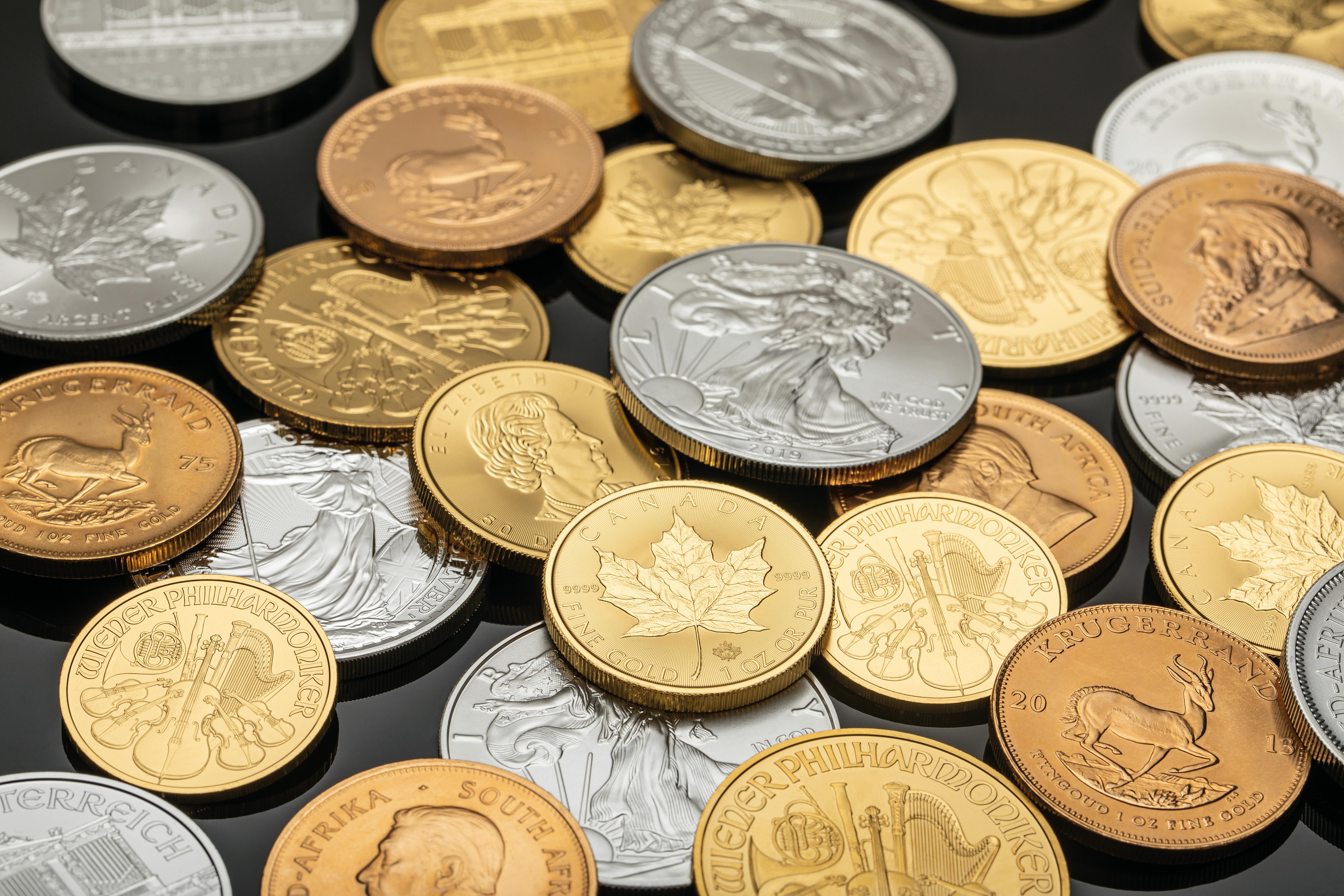
The Gold Rush Connection
The coin owes its existence to one of the most dramatic events in American history. After gold was discovered in California in 1848, a flood of the metal poured east. Suddenly, the country had far more gold than anyone had expected or planned for. The scale was staggering.
Congress responded by authorizing a new, larger gold coin. On March 3, 1849, lawmakers approved the $20 double eagle, which was twice the value of the existing $10 eagle. A bigger coin made it far more efficient to turn raw gold into money.
Chief Engraver James B. Longacre designed it, featuring Liberty wearing a coronet on the front and a heraldic eagle on the back. A single 1849 pattern survives at the Smithsonian. Regular production began in 1850 and continued until 1907.
A Coin That Traveled Through American History
The double eagle has often been described as a banker’s coin. Its large value made it ideal for settling big transactions between banks, businesses, and governments. Moving gold in twenty-dollar units was simply easier than counting out piles of smaller coins. Bankers appreciated that.
It also traveled widely across a growing nation. The coins were struck at Philadelphia, San Francisco, Carson City, New Orleans, and Denver. Each mint served a different region, reflecting how mining, trade, and settlement reshaped the American map throughout the century.
Large gold coins played a role in international trade as well, since gold was accepted around the world. Over the decades, small changes appeared, including the motto In God We Trust in 1866 and the words TWENTY DOLLARS in 1877. Otherwise, the design held steady.
From Spending Money to Collector’s Treasure
Today, surviving examples are prized for far more than their face value. Each coin contains 0.9675 troy ounces of gold in a 90% gold alloy, so its metal alone gives it substantial worth. Collectors, however, look much deeper than that. Much, much deeper.
Condition matters enormously. Coins that avoided heavy wear, scratches, and bag marks often command significant premiums, and professional grading services assign them a number on a scale from 1 to 70. A small jump in grade can change value dramatically.
Rarity and history matter too. Some dates and mints produced very few coins, and many double eagles were later melted. A coin struck at Carson City during the silver boom carries a story that collectors find just as valuable as the gold itself. Provenance counts as well.
Conclusion
A single gold coin can reveal how dramatically the world has changed. What once equaled weeks of labor or months of rent now buys a casual lunch when measured in paper dollars. That contrast says a lot about inflation and changing economic life. Times changed.
It also highlights something special about gold. While the purchasing power of a paper twenty dollars has steadily shrunk, the gold inside these historic coins has held real value. That difference helps explain why people still find them so compelling today. Paper money simply couldn’t.
Holding one is like holding a small piece of the nineteenth century. It connects the Gold Rush, westward expansion, and the growth of American banking in one heavy, glowing coin. Few objects tell the story of money quite so vividly.
 Descartes’ Study Reveals Tariffs & Trade Barriers as Top Concern of 48% of Supply Chain Leaders
 Nulogy Named Among Inbound Logistics’ Top 100 IT Logistics Providers for 2024
 6 Leading AI Contract Software for Businesses
 Nine Twenty Recruitment widens the search for top UK talent for Pelion as global IoT company sees growth soar
 ERIKS collaborates with Ultimaker to Scale Up 3D Printing Capacity for OEM and MRO Industries
 Data Capture Busters