

I have been buying and managing CS2 skins long enough to stop judging them by screenshots alone. A skin has to pass several checks for me now: exterior, float, stickers, pattern, liquidity, fee impact, and resale path.
My early buying was simple. I bought anything that looked clean in-game and then learned that two skins with the same exterior can feel completely different once float and stickers are checked. When I browse skins CS2 listings now, I treat the page as a trading tool, not just a catalog of weapon finishes.
How My Skin Habits Have Changed
I used to buy based on appearance first and price second. That worked for cheap playskins, but it failed once I started buying AKs, AWPs, M4s, knives, gloves, and StatTrak™ items. A good-looking skin at the wrong price becomes hard to move later. I stopped buying broad wear labels and started hunting tight float ranges.
Low Float Hunting
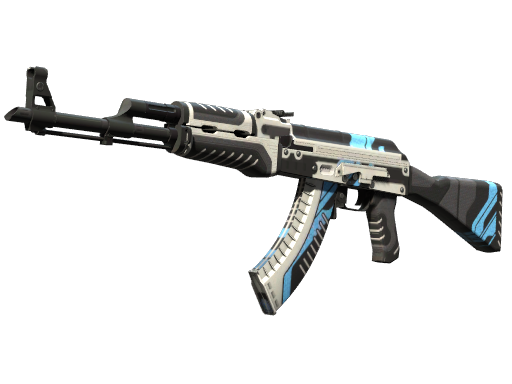
Low float hunting became part of my routine because clean examples sell better. A Field-Tested AK-47 | Vulcan around 0.16 usually looks fresher than one closer to 0.37, even though the exterior label stays the same. However, I do not chase the lowest number every time. I compare the visual gain against the price gap.
Sticker Crafts
Sticker crafts changed how I look at resale. I check the sticker name, placement, scrape level, and whether the build actually looks good on the weapon. A random expensive sticker does not make a weak base skin valuable.
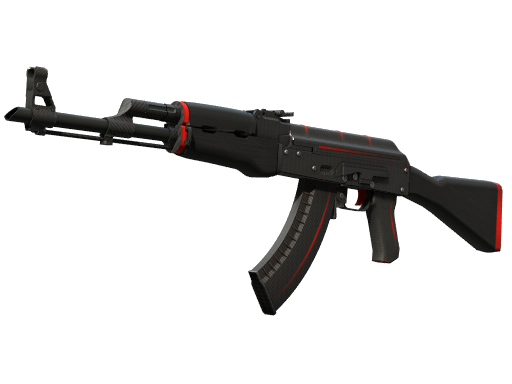
A clean AK-47 | Redline with matching red tournament stickers is the kind of craft I study more closely. The base skin already has demand, and the sticker theme supports the look instead of feeling contrived.
What I Check Before Buying
I check the exterior first, but it is never enough. Float gives the real exterior, stickers affect buyer interest, StatTrak™ changes the buyer audience, and pattern index matters on skins where a pattern creates a visible difference.
Exterior and Float
Exterior is my first filter because it removes bad matches quickly. After that, I narrow it by float. Low Field-Tested and clean Minimal Wear listings are usually where I spend the most time.
I avoid paying extra for labels when the float does not support the price. A Minimal Wear skin near 0.14 can look close to a clean Field-Tested one, so I compare screenshots and inspect views before buying.
Pattern Index and Applied Stickers
Pattern index matters on skins with visible variation, so I check it on finishes where the pattern changes the actual look. Applied stickers matter too because they can affect both appearance and resale value, but I only pay extra when the placement, rarity, and overall sticker combo are actually valued by the market.
Seller History
Seller history gives me a safety check before I commit. I look at activity, pricing behavior, and whether the listing fits normal market logic. Empty profiles and strange discounts make me cautious on higher-value items.
Where I Find Better Deals
Steam is useful for price checks, but its structure has limits. Steam lists the Counter-Strike 2 publisher fee at 10%, and the total market cut is commonly treated as 15% when the Steam fee is included. Steam Wallet funds also stay inside Steam, so I do not use it as my main exit path.
Third-party marketplaces help when I want real-money pricing, advanced filtering, and a cashout route. I still compare prices across platforms, but I care more about net return than headline price. A cheap listing is not a deal if fees make it pricey.
DMarket as My Main Hub
DMarket became my main hub because the tools match how I trade. I use precise float ranges when I want clean low Field-Tested or Minimal Wear skins. The filters save me from scrolling through dozens of listings that might match the exterior but fail visually.
Pattern Search
Pattern search is useful when I am checking skins where layout matters. I do not need it for every purchase, but it helps when the pattern affects demand, screenshots, and resale interest.
Applied Sticker Filter
The applied sticker filter is one of the tools I use most. It helps me find crafts without opening every listing manually. I still inspect the item before buying, but filtering by sticker saves the first round of work.
Daily Buying Routine
My daily routine is simple. I compare Steam references, check DMarket listings, narrow the float range, review stickers, inspect the item, and then decide whether the price still makes sense after fees.
My Final Buying Rule
The best CS2 skin is not always the rarest or flashiest one. For me, the best buy is a skin with a clean look, fair float, real demand, a safe seller record, and a resale path that does not depend on fantasy overpay. In 2026, I care more about filters, liquidity, and the ability to move an item when my inventory plan changes.
 Avetta Launches Cyber Risk Solution to Give Companies 24/7 Visibility of Cybersecurity Risks in Their Supply Chain
 Evergreen & Navis Enter into a New Partnership to Lift Stowage Operations to a New Level
 Navis Expands TOS Capabilities & Announces Navis Inspire Awards Winners
 Free car parking at IMHX 2022
 Beware of SCAMS as cost of living bites finances
 British businesses call for urgent Government action as Sage report reveals 1.4m SME jobs at risk