


In a world where consumers crave not only products but also experiences, the role of interior design in retail has never been more important. For luxury brands in particular, the visual and emotional journey through a store is just as critical as the quality of the items on display. Enter the curio cabinet—a timeless piece of display furniture that has recently experienced a design renaissance, thanks to a booming secondhand and vintage furniture market.
The demand for vintage furniture, including finely crafted display cases, is surging. In fact, the global market for secondhand furniture is projected to double over the next decade, reaching $87.6 billion. This trend is being driven by a combination of sustainability awareness, a desire for uniqueness, and the allure of craftsmanship from another era. For luxury retail brands, curio cabinets offer not just a display solution, but a powerful storytelling device—connecting the past and present in a way that resonates deeply with high-end clientele.
A Legacy of Rarity and Refinement
Curio cabinets date back to the 16th century, originally designed to house collections of rare and exotic objects. Aristocrats and collectors used these glass-fronted cases to display items that were too precious to be handled but too beautiful to hide—items like fine porcelain, minerals, and artifacts gathered from around the world.
Their purpose was dual: preservation and presentation. This duality makes them especially fitting for luxury retail, where exclusivity is paramount. The historical association with rarity and curation gives curio cabinets a built-in aura of sophistication. When a brand chooses to use one, it’s not just showing a product—it’s elevating it to artifact status.
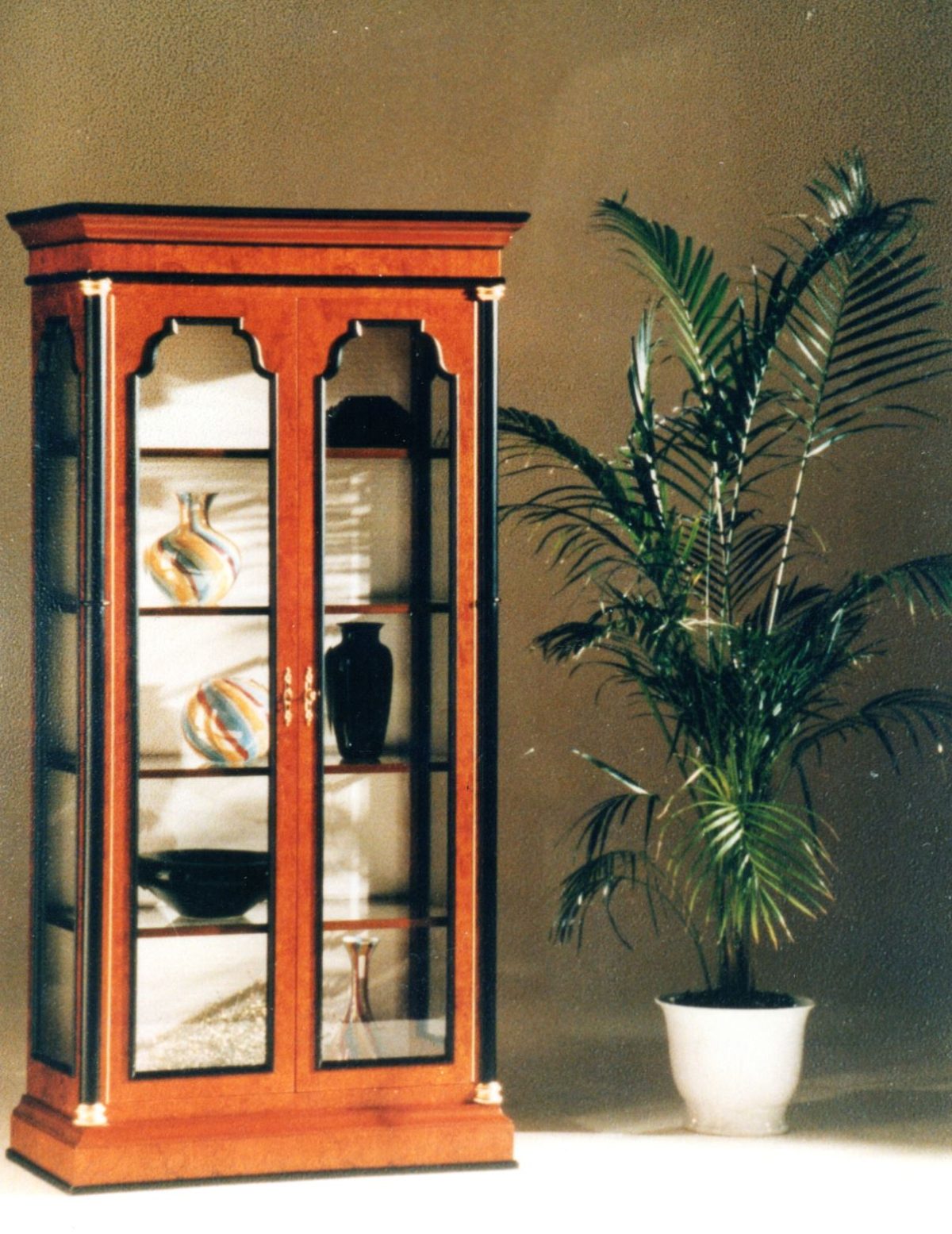
Image: Wikipedia
Elevating Exclusivity: Curio Cabinets in Luxury Retail Today
Modern luxury brands understand the power of perception. From flagship boutiques to pop-up installations, curio cabinets are being strategically used to:
- Highlight limited-edition releases
- Create a sense of rarity around even mass-produced items
- Encourage closer, slower viewing experiences
For example, Hermès has incorporated vintage curio-style vitrines in select stores to showcase silk scarves and enamel bangles, framing each as if it were a museum piece. Dior, known for its meticulous visual merchandising, has used bespoke glass cabinets with gold leaf trim to spotlight jewelry and small leather goods. These cases don’t just hold merchandise—they frame desire.
The Details That Matter: Design Tips for Effective Use
To fully harness the impact of curio cabinets in retail, designers must consider more than just the cabinet itself. Every detail contributes to the overall narrative.
- Lighting
Soft, focused lighting can draw attention to a specific item while creating shadows that suggest depth and exclusivity. Integrated LED strips, hidden within the cabinet frame, are a popular choice.
- Placement
A curio cabinet should feel like a destination within the store. Whether it’s placed near the entrance or in a quiet corner, it should invite discovery and linger time.
- Materials and Finish
The finish of a cabinet should match or intentionally contrast with the surrounding decor. Polished woods like walnut or mahogany suggest tradition and luxury, while a lacquered white cabinet might evoke modern minimalism. Some brands opt to custom-upholster the interior with velvet or silk to enhance the tactile appeal.
When thoughtfully integrated, curio cabinets don’t just display—they amplify the brand’s story.
Restoration and Maintenance: Craftsmanship Behind the Glass
The authenticity of a curio cabinet often comes with age—and age brings maintenance needs, especially when the piece is vintage or antique. One of the most delicate elements is the glasswork, which is often curved or beveled, requiring specialist artisans for cleaning, replacement, or restoration. Imperfections like scratches, fogging, or improper sealing can undermine the luxury effect. Curio cabinet glass restoration professionals can replicate the original glass dimensions and contours, resulting in a flawless restoration that not only revitalizes your curio cabinet but also maintains its authenticity and historical value. They may need to source period-appropriate hardware, refinish wood with hand-applied shellac, or reinforce fragile shelving for modern retail demands. This level of upkeep can be costly, but for luxury brands, the result is worth it: a one-of-a-kind display that elevates every product it holds.
Case Studies: Craft Meets Commerce
Gucci Garden, Florence
Located inside the historic Palazzo della Mercanzia, Gucci Garden has a significant influence on luxury brands and fashion today. The store uses custom display cabinets that blend vintage and contemporary aesthetics. Many resemble curio cases, with richly detailed frames, layered lighting, and compartments that tell stories from the brand’s archives.
The Row, New York
Minimalist luxury label The Row is known for its gallery-like boutiques. In its Upper East Side store, pieces of jewelry and accessories are often displayed in antique curio cabinets sourced from European flea markets—bridging the gap between art, fashion, and fine craftsmanship.
Aesop, Global
While not a traditional luxury fashion brand, Aesop’s design-led philosophy often includes restored cabinets and vitrines in its stores. Each one is site-specific, often designed with reclaimed wood and glass to reflect local heritage while aligning with Aesop’s ethos of quiet sophistication.
Final Thoughts
In an age of fast fashion and digital retail, luxury lies in the tactile and the timeless. Curio cabinets offer more than a beautiful way to display goods—they invite curiosity, elevate products to the level of art, and reflect a brand’s dedication to craftsmanship and narrative.
For luxury retailers looking to make a lasting impression, curio cabinets are more than vintage furniture—they are icons of intentional design and powerful tools for brand storytelling.
 72% of financial institution executives rank their ability to innovate as their top priority, new study reveals
 Transforming Automotive Time to Market – Now or Never
 Kyndryl & AWS Establish Strategic Partnership to Accelerate Cloud Adoption & Innovation for Customers
 WALLIX announces 4-year strategic growth plan with “Unicorn 2025”
 How Amazon’s data led insights are pioneering industry-leading personalisation
 How to avoid common VAT mistakes or problems