


In its earliest stages, the majority of websites were simple static sites that presented a single page of information that was unlikely to be updated by the site owner. The user’s role in this process was typically one of simply viewing the site information (reading), with little opportunity for interacting with the website in other ways. Users would download files from the internet, view images, browse articles and generally experience very little interaction beyond viewing.
Over time, as the speed of the internet increased, and as web development tools and technologies improved, more dynamic elements were incorporated into websites allowing users to interact with them in “real-time.” Streaming video, live chat applications and interactive dashboard elements have greatly impacted the manner in which users experience online entertainment.
Many modern digital gaming and sports platforms are examples of how much further online entertainment has evolved. For example, while browsing match schedules, team stats and analysis of betting markets for an international competition, many fans will use 1xBet sportsbook to view live odds updates and review sportsbook features using their mobile device, or computer browser. These sports book examples illustrate the trend towards continuous user interaction and live data.
The Rise of Real-Time Digital Experiences
The desire to provide users with real-time updates is at the forefront of online entertainment’s rapid development. Users no longer need to wait for information to be refreshed manually; instead, users expect platforms to update automatically and in real-time when new data is available or new content is uploaded. In turn, this rapid pace of updating enables fans and viewers to experience events as they are happening.

One of the best examples of how the rapid pace of updating content is transforming the way that fans engage with entertainment is sports entertainment. Some users will analyze the pre-match preview for a given event, compare betting odds for the various outcomes for an event. Or review team statistics across multiple competitions using online sportsbooks 1xBet Indonesia online to track their betting market and live match developments. The ongoing and continuous flow of information creates a dynamic environment where fans continually engage with content.
Real-time systems are now a mainstay of digital entertainment in general and several technologies played a part in that transition:
- Live streaming enables real time video on-line broadcasting of video content;
- Real-time data processing allows instant updates of score, statistics and other platform generated information;
- Interactive dash boards for user interaction with data as well as the ability to customize what is displayed;
- Mobile phones allow for access to these platforms from anywhere in the world.
All of these technologies help to keep digital platforms interactive and engaged.
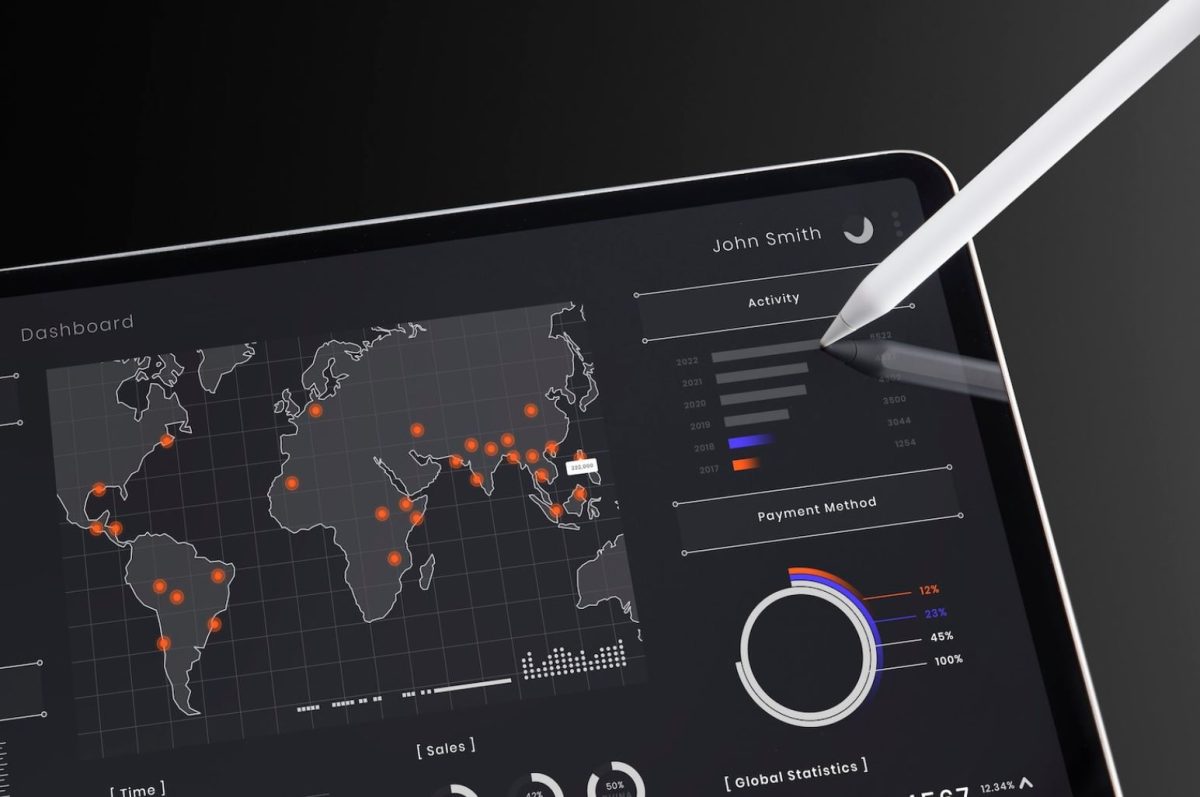
Interactive Design and User Engagement
The second factor that has driven the advancement in the field of Internet-based entertainment is interactive design. The early web was typically static, as well as being heavily based on text; today’s online entertainment systems are designed around responsiveness and ease-of-use. Responsive designs allow for easy exploration of a user’s desired content, while providing immediate feedback to the user through the system itself.
Responsiveness and interactivity, such as motion graphics, dynamic menu items, and responsive control elements, will provide a much more fluid and consistent experience for the user. For instance, if a user is looking at sports statistics or watching a live event, they can quickly move back and forth among different sections of an entertainment site without having to refresh the page. Providing this type of seamless experience will lead to extended user engagement.
| Platform Feature | Purpose | User Experience |
| Live Data Feeds | Provide real-time updates | Instant information |
| Streaming Media | Broadcast events online | Continuous viewing |
| Interactive Menus | Simplify navigation | Easy exploration |
| Mobile Integration | Enable access anywhere | Flexible engagement |
These features represent the modern standard for digital entertainment.
A New Era for Interactive Online Entertainment
The modern era of online entertainment has evolved dramatically from the static websites that made up the majority of the Internet’s first decade. The Internet today offers a variety of ways to access media (streaming) and interact with it (live updates and interactive features) providing an immersive experience for users to engage with as they view the content.
As web technology continues to evolve digital platforms are expected to become even more interactive and tailored to each user. Future applications of online entertainment; including online sports viewing, video game interactions and other forms of online entertainment will be driven by innovation that provides users with a connection to the event in real-time.
 Reveel Offers Free Impact Analysis to Help Shippers Manage FedEx &d UPS 2022 Rate Increases
 Solar Panels for Trucks: Boost Efficiency, Cut Costs, & Reduce Emissions
 5 Common Mistakes Companies Make When Responding to a Ransomware Attack
 Accenture granted US patent for quantum computing technology
 Increasing attention is being paid to AI as it becomes more embedded in our technologies
 Mindtree Achieves Google Cloud Partner Specialization in Application Development