

Supplier relationship management in IT supply chains is evolving rapidly as automation transforms traditional workflows. Companies are now moving beyond relationship-only management to adopt data-driven coordination across procurement and vendor operations. Automation can improve efficiency, but it also introduces challenges in data quality, security, and collaboration.
As supplier relationship management becomes more complex in IT supply chains, organizations are faced with increasing numbers of global vendors, heightened regulatory requirements, and rapid technological change. With advancements such as AI lead generation supporting improvements in supplier coordination, teams are shifting their focus from building relationships alone to utilizing automation for better decision making and operational consistency.
This transition is important for companies aiming to maintain resilient supply chains and achieve greater supplier value in dynamic environments where disruptions and changing customer needs can occur. Understanding how automation influences supplier relationship management will help organizations better assess both the advantages and the challenges within their own supply chains.
Integration of automation into supplier processes
Supplier relationship management in the context of IT supply chains involves coordinating activities like procurement, contract management, vendor performance, and compliance. Managing these processes requires careful attention to both operational efficiency and overall supplier collaboration. As demands grow, automation using platforms like Expandi is increasingly required to streamline repetitive tasks and enhance transparency between internal teams and external suppliers.
Automation is typically implemented in layers across the supply chain. Procurement suites, supplier portals, and integrated operations platforms often automate tasks such as supplier onboarding, data validation, and document exchange. By reducing the need for manual interventions, these systems support more consistent and accurate management of supplier interactions, as well as increased scalability during periods of high activity.
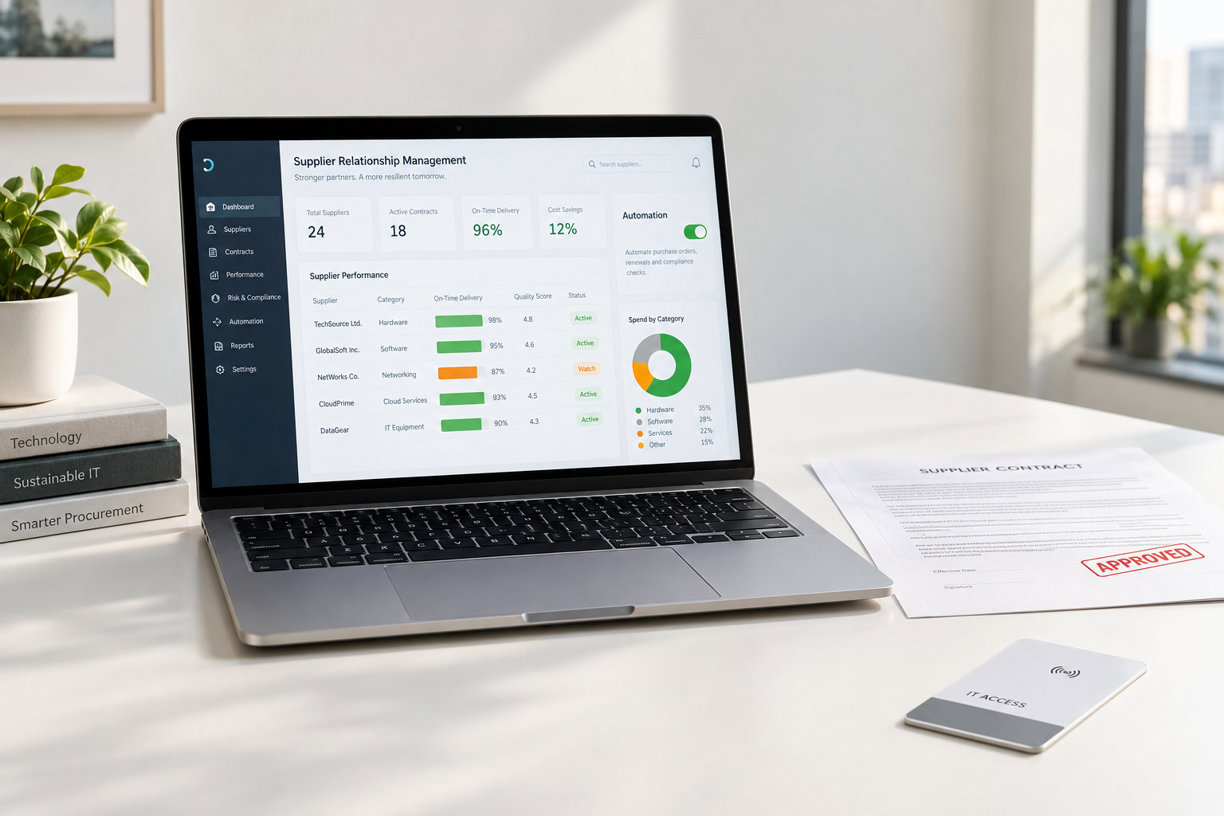
Automation across core supplier management workflows
Several core workflows in supplier relationship management benefit from automation. The onboarding process, which includes collecting supplier information and verifying credentials, is streamlined by automated data capture and master data management tools. These capabilities reduce errors and ensure that supplier data remains up to date throughout the partnership.
Automated systems also help manage compliance documentation, such as certifications, policies, and audit results. Tasks related to contract lifecycle management are more easily tracked, with automated renewal alerts ensuring expiring contracts are not missed. Alongside these capabilities, automation can facilitate exceptions management in purchase orders and invoice matching, reducing cycle times while decreasing disputes.
Supplier performance scorecards and reporting on key performance indicators are often generated automatically, supporting timely reviews and more objective assessments. Risk monitoring platforms may use both internal operational data and external signals to alert you to potential disruptions or vendor-related issues before they escalate.
Tangible benefits of automating supplier management
Process automation can lead to faster cycle times in activities such as procurement, invoicing, and contract management. Fewer manual handoffs reduce bottlenecks and support more responsive supplier communications, which is important during periods of disruption or component shortages in the IT sector.
Improved data accuracy is another potential benefit, as automation can enforce more consistent data entry and governance over vendor records. This accuracy can support better analysis of supplier performance and risk. As a result, organizations may see operational efficiencies and more reliable strategic planning based on better quality information.
Potential challenges and recommended mitigations
While automation can bring significant improvements, certain risks and limitations remain. Automated systems may amplify bad data or reinforce inconsistent supplier taxonomy unless data sources and rules are governed carefully. Over-standardization is another concern, as highly automated processes sometimes reduce opportunities for strategic collaboration with suppliers.
Security and access control are important when connecting supplier portals to internal platforms. Sufficient safeguards must be in place to prevent unauthorized access to sensitive procurement information. Teams should also maintain oversight, ensuring critical decisions involving relationship quality are not delegated entirely to automated systems.
By addressing these concerns, your organization can leverage the full potential of automation in supplier relationship management while sustaining accountability, data quality, and collaborative supplier partnerships.
Author bio: The author has experience in IT supply chain management and technology-enabled business process optimization, with a focus on digital transformation and procurement automation strategies.
 Amazon Business Reaches New Milestones
 JASCI uses latest Oracle database to speed retail operations
 How Technology & Wearables Are Shaping the Future of Workplace Injury Claims
 Leveraging Technology for Marketing Success: The Absolute Guide for Landscapers
 Babergh & Mid Suffolk District Councils Extend Totalmobile Deal to Drive Efficiency
 Industry 4.0: the DACH region risks falling behind