

Food supply chains only work when safety is controlled long before products reach store shelves. A single weak link during receiving, processing, packaging, storage, or transport can create problems that spread fast across the entire chain.
This is why critical control points (CCPs) matter so much. They help food businesses identify where hazards can appear, where they can be stopped, and how consistency can be protected at scale. In this article, we’ll outline ways CCPs strengthen food supply chain safety from production through distribution.
1. They connect food safety with the right production technology
Critical control points work best when teams have the right tools to monitor them. In food production, this can include metal detection, X-ray inspection, checkweighing, vision systems, seal checks, and rejection systems. These tools help producers catch physical hazards, packaging errors, weight issues, and product defects before goods move deeper into the supply chain.
Food manufacturers can strengthen these safety checks with support from companies like TDI Packsys. Their inspection systems, packaging automation, calibration, validation, and service support relate directly to how food producers manage critical points on the line. Better equipment does not replace food safety planning. It helps make that planning more consistent and measurable.
2. Catch problems before they become recalls
CCPs work like tripwires. They set critical limits, such as minimum cook temperatures, maximum cooler temperatures, metal detector sensitivity, or sanitizer concentration. If monitoring shows a limit is missed, the process triggers a predefined corrective action. This can mean rework, hold-and-test, equipment adjustment, or disposal.
The key is speed; problems are stopped close to the source, before they travel downstream and multiply. Strong programs also define who responds, how fast, and what proof is needed to release the product.
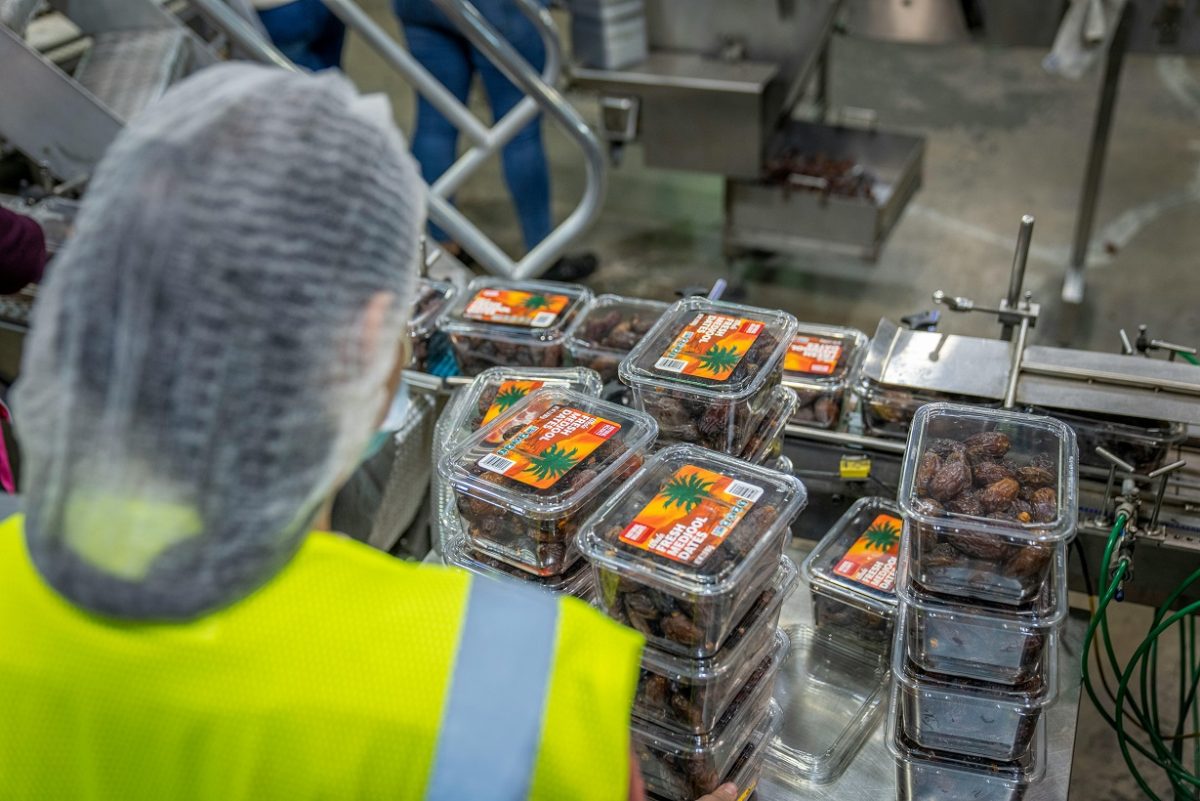
3. They make every batch more consistent
Consistency matters in food supply chains. Buyers need products that meet the same safety and quality expectations every time. Critical control points give workers a clear process to follow.
Teams know what to inspect, what limits matter, and when to take corrective action. This reduces guesswork. It also helps companies avoid depending on memory or casual checks. A strong process creates safer products and smoother operations.
4. Better records and traceability
When a food safety issue appears, speed matters. Companies need to know which batch was affected, where it went, and what happened during production.
Critical control points create useful records. Temperature logs, inspection results, calibration records, rejected product reports, and corrective action notes all help build a clear product history. This history supports traceability. It also helps teams prove that controls were followed.
5. They reduce the risk of recalls and lost trust
Recalls are expensive. They can disrupt inventory, damage relationships, and weaken customer trust. Critical control points help lower that risk by catching problems early.
When unsafe products are held inside the facility, the wider supply chain stays protected. Retailers avoid pulling shelves, distributors avoid handling questionable inventory, and customers avoid exposure to preventable hazards.
Endnote
Critical control points are not only a requirement for food production; they are supply chain safeguards. They help companies control hazards, improve consistency, strengthen traceability, and protect trust.
When producers combine good procedures with reliable inspection and packaging systems, food safety becomes easier to manage from the production line to the final customer.
 New Ivalua study shows technology challenges are hindering procurement teams from achieving business objectives
 How Digital Accounting Is Transforming Field Service Businesses
 Consumers avoiding High Streets to save Christmas – but what should retailers do next?
 Five New Guiding Principles to Drive Strategic Growth & Enterprise Value
 French Retail Giant, Casino Group, to optimize promotions replenishment with RELEX’s retail planning solution
 WALLIX strengthens Channel First strategy by launching dedicating MSP program