

Managing a supply chain requires constant attention to moving parts. Standard components often fall short when specialized equipment breaks down. These failures create unexpected bottlenecks that halt distribution lines.
Operations managers frequently face long wait times for standard replacements from distant international suppliers.
Choosing tailored production methods helps companies maintain steady movement throughout the year.
Local manufacturing adapts to particular challenges much faster than massive automated factories, creating a significant advantage for regional businesses.
Redefining Logistics With Tailored Components
Standardized parts force companies to modify their existing systems to fit incoming hardware. Custom production reverses this dynamic by shaping the hardware to fit the exact operational workflow.
Finding the right physical fit prevents freight damage and reduces wasted cargo space during transit. Several Australian-made fabrication experts say that local manufacturing keeps transport networks running smoothly. Specialized structural adjustments protect fragile cargo during long hauls across the country.
Reduced transit damage protects the bottom line of the logistics company. Drivers spend less time dealing with broken securement systems during their routes. Operations achieve higher efficiency levels without purchasing entirely new vehicle fleets.
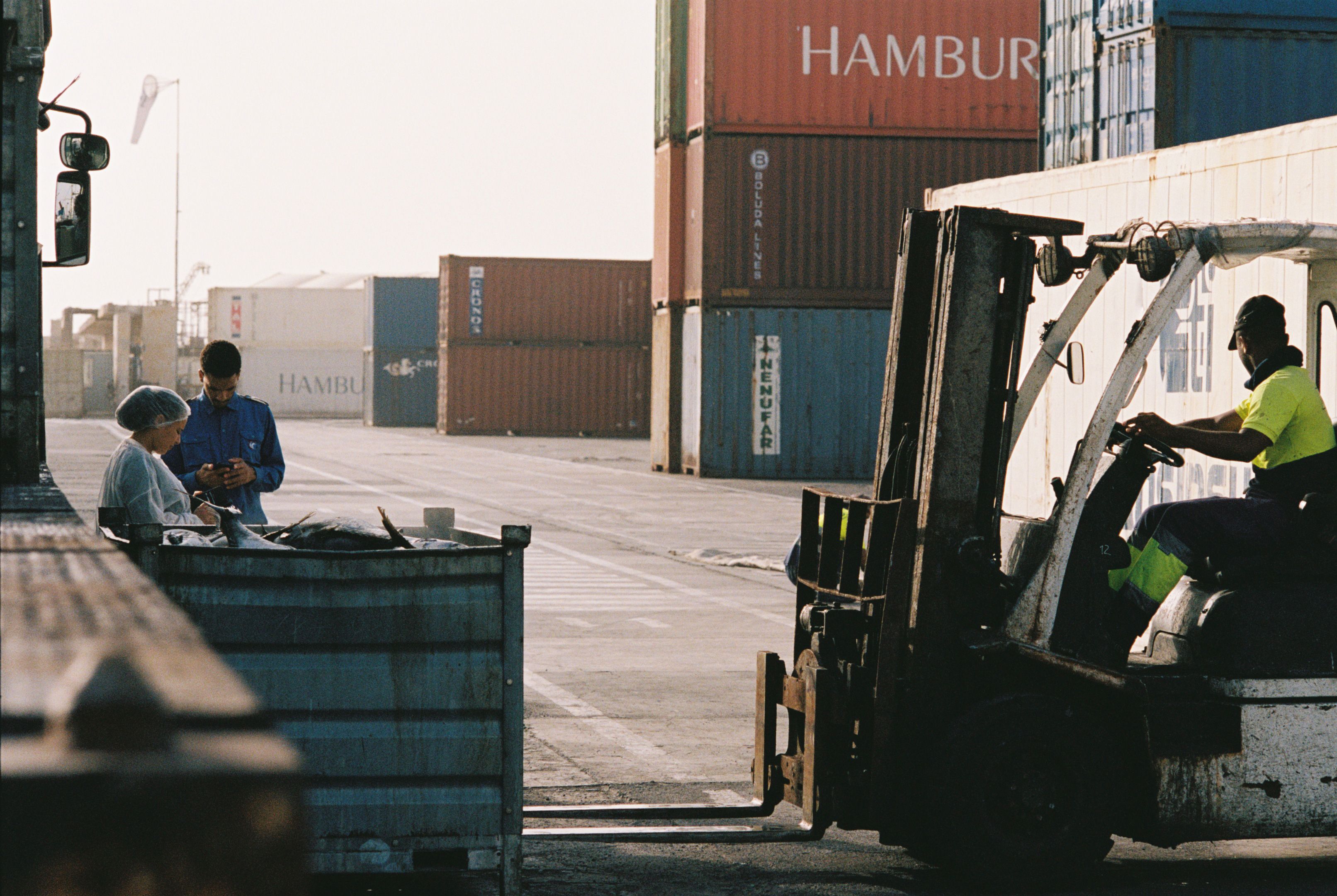
Building Agility Against Market Volatility
Market demands shift rapidly, leaving operations with excess inventory or severe shortages. Standard manufacturing systems struggle to adjust to these sudden modifications in terms of volume. Rigid contracts with overseas suppliers lock companies into fixed production numbers for months.
Flexibility serves as an excellent defense against unpredictable industrial shifts. An academic report published in an international business journal stated that supply chain agility represents the capability to respond swiftly to shifting markets and unpredictable demand needs. Embracing these flexible methods protects businesses from holding dead stock.
Quick responses keep clients satisfied during sudden market shortages. Distributors maintain their reputations by delivering products ahead of their competitors. Adaptable systems turn market volatility into an operational advantage.
Eliminating Delays Through Flexible Manufacturing
Traditional procurement models rely on massive batch orders to justify initial factory setup costs. This configuration creates major bottlenecks when a single component design requires an update. Storage facilities fill up with obsolete parts that nobody can use.
Modifying production styles shields firms from costly shipping interruptions. A study from a science research repository indicated that flexible manufacturing setups let firms satisfy customized orders accurately without suffering extended delays. These adaptive systems keep assembly lines moving forward.
- Shorter setup times for unique machinery parts.
- Lower storage fees for unused warehouse inventory.
- Faster turnaround for urgent system repair tasks.
Predicting Disruptions With Data-Driven Planning
Modern production depends heavily on accurate digital forecasting tools. Unforeseen material shortages can freeze an entire assembly line for 3 weeks at a time. Managers need reliable methods to bypass these global resource gaps.
Smart analytics tools help managers anticipate material shortages before they impact production lines. A government administration publication noted that data analytics within supply chain management allows for proactive risk mitigation by predicting future distribution issues. Integrating these insights with local manufacturing keeps operations stable.
Predictive models give procurement teams time to secure backup resources. Local metal fabricators quickly turn these digital predictions into physical components.
Real-time monitoring helps companies adjust quickly when market conditions change unexpectedly. Better forecasting supports stronger inventory management and lowers the risk of overstocking.

Reducing Total Costs of Ownership
Low upfront prices for imported parts often mask long-term financial drains. Ongoing maintenance issues and shipping delays inflate the true cost of standard components. A single breakdown can easily cost an operation upwards of $5000 in lost productivity.
Custom components last longer since they feature premium materials chosen for challenging environments. These sturdy parts require fewer replacements over the life of the machinery.
Relying on rigid procurement models leaves operations vulnerable to modern industrial challenges. Custom metal solutions offer a practical path toward greater operational stability and shorter lead times.
Businesses that choose tailored production methods secure a distinct advantage in a crowded marketplace. Investing in precise regional manufacturing protects operations from sudden global shipping shocks.
 UK councils report over 2,400 suspected data breaches
 Burberry – a good start to the year
 Technology must be the foundation for organisational resilience
 Frost & Sullivan names Webfleet Solutions 2021 European Fleet Telematics Company of the Year
 Domino Celebrates Production of 1000th R-Series Machine Vision Inspection System with Lake Image Systems
 Cohesity Appoints Seasoned Enterprise Sales & Field Operations Leader Kit Beall as Chief Revenue Officer