

Aviation has always been a technology-intensive industry, but the pace at which digital systems have changed what happens in the cockpit, in air traffic management, and across the operational infrastructure supporting flight has accelerated significantly over the past two decades. What were once analog instruments presenting single-purpose information have given way to integrated digital systems that aggregate, process, and display a breadth of data that earlier generations of aviators would have found extraordinary.
The efficiency gains that follow from this shift aren’t incidental — they’re structural. Digital avionics change what’s possible in flight planning, in situational awareness, in fuel management, and in the communication between aircraft and ground systems, in ways that compound across every flight operated by a modern aircraft.
What Digital Avionics Actually Do
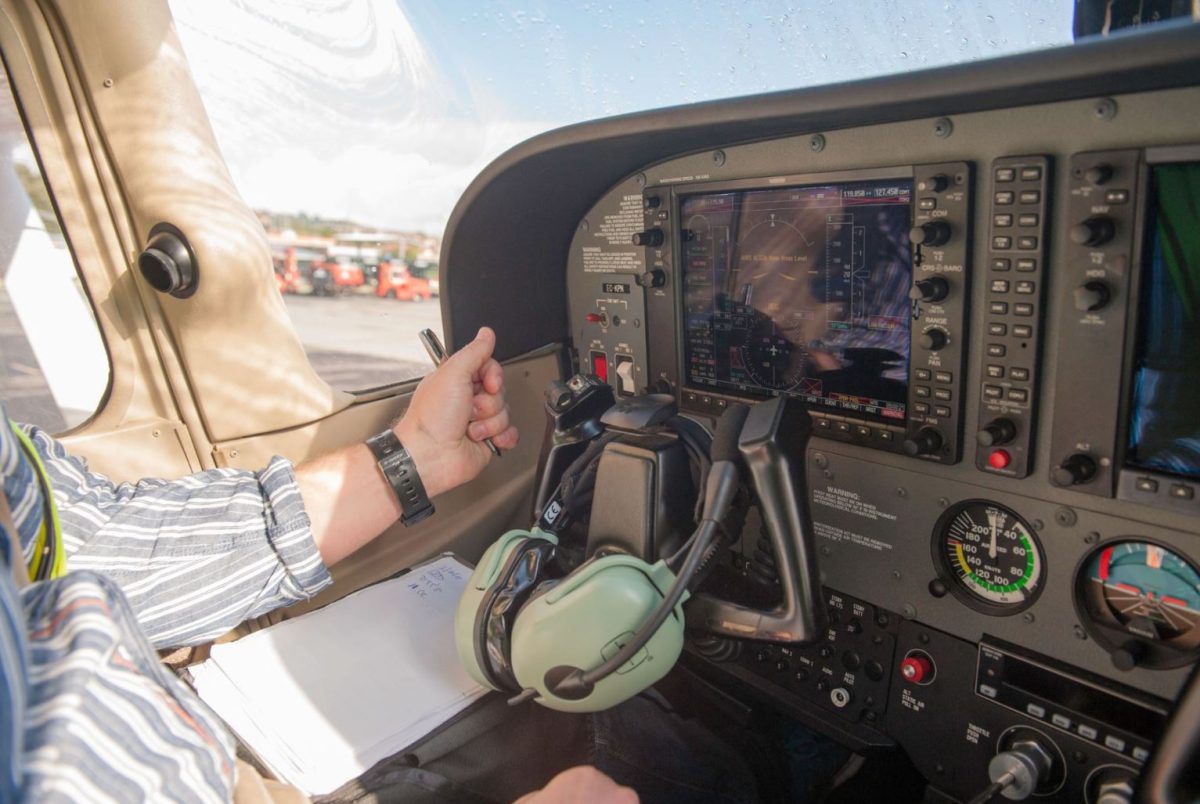
The term covers a broad category of systems that are worth distinguishing to understand the efficiency impact clearly. Flight management systems handle route planning, fuel optimization, and performance calculations that would have required significant manual computation in earlier generations of aircraft. Glass cockpit displays replace the mechanical gauges and dials of analog aircraft with integrated digital presentations that give pilots more information with less cognitive load to interpret it. Navigation systems using GPS and satellite-based augmentation allow precision that ground-based navigation infrastructure alone doesn’t provide.
Beyond the cockpit, digital data link systems enable communication between aircraft and ground operations that supplements voice radio with structured digital messages — reducing communication errors, lowering voice channel congestion, and enabling the kind of automated operational data exchange that makes modern flight operations manageable at the scale they now operate.

Fuel Efficiency and Route Optimization
One of the more significant operational benefits of advanced digital avionics is the precision they bring to fuel planning and in-flight fuel management. Flight management systems continuously calculate optimal speeds, altitudes, and step climb profiles based on current weight, atmospheric conditions, and routing — adjustments that a pilot working from manual tables and mental calculations would approximate, but that digital systems optimize to a degree of precision that produces measurable fuel savings across flight operations.
At the network level, this precision matters considerably. For operators running high cycle counts — where margins on individual flights accumulate into substantial differences at scale — the fuel efficiency contribution of optimized flight management translates directly into operating economics. Companies like Acron Avionics, for example, develop systems designed specifically to bring this kind of optimization capability to operators across different aircraft categories, ensuring that the efficiency gains available through digital avionics aren’t limited to the newest generation of large commercial aircraft but extend to the broader range of operators who stand to benefit from them.
Situational Awareness and Workload Management
The safety case for digital avionics is well established, but its connection to operational efficiency is worth making explicit. Pilots who have better situational awareness — clearer understanding of terrain, traffic, weather, and system status — make better decisions with fewer interruptions and diversions. Flights that proceed as planned, without the operational disruptions that inadequate situational awareness can produce, are flights that operate efficiently.
Traffic collision avoidance systems, terrain awareness and warning systems, and weather radar integration that presents hazards in context rather than requiring pilots to mentally synthesize separate information streams all contribute to this operational coherence. The cockpit integration that modern digital avionics provide — where these systems present information in a unified picture rather than requiring the pilot to assemble it from multiple sources — is the design achievement that converts individual capability into practical operational benefit.
Ground Operations and Connectivity
Digital avionics don’t operate in isolation from the ground infrastructure that supports flight. The data link capabilities that allow aircraft to receive updated weather, routing clearances, and operational information without voice communication reduce the workload on air traffic control frequencies while giving flight crews better information at the moments they need it.
Predictive maintenance capability, enabled by digital systems that monitor engine and aircraft health data in real time, reduces unplanned downtime by surfacing maintenance requirements before they become operational disruptions. Aircraft that are more reliably available when scheduled are aircraft that support efficient network operations rather than introducing the cascading delays that an unplanned maintenance event generates through a connected schedule.
The Transition Across Fleet Categories
The efficiency benefits that digital avionics deliver have historically been most accessible in new aircraft programs where the systems were designed in from the outset. The installed base of older aircraft — including significant portions of general aviation, regional, and business aircraft fleets — operates with avionics suites that don’t provide the same integration or capability as modern glass cockpit systems.
Retrofit solutions that bring digital avionics capability to existing aircraft have become increasingly capable and accessible, allowing operators who can’t or don’t need to replace their aircraft to access a meaningful portion of the efficiency benefit that modern avionics provide. The economics of retrofit depend heavily on the specific aircraft, the scope of the upgrade, and the operational context, but the availability of well-integrated retrofit solutions has expanded the population of aircraft that can operate with genuinely modern avionics rather than aging analog systems that limit what’s operationally achievable.
 Automation Takes Center Stage in Tecsys’ New Omni™ WMS for Digital Commerce
 Exterior Problems That Should Not Be Ignored After Severe Weather
 Why Many Businesses Will Outsource Their IT Needs After COVID-19
 Navigating the UK Economy: Budgeting Tips and Coping with Rising Interest Rates
 Contentstack Closes Best Year in Company History as Demand for Customer Experience Surges
- Behind the Buzz: The Science of Small Appliances