

KYC used to feel like the slowest part of joining an online casino.
You signed up, deposited, played, and then hit a wall at withdrawal. Suddenly, the casino wanted ID, proof of address, payment proof, and maybe another selfie. Players hated it, and operators hated the support tickets that came with it.
Document verification software is changing that. The better systems now check identity earlier, faster, and with fewer messy back-and-forth emails.
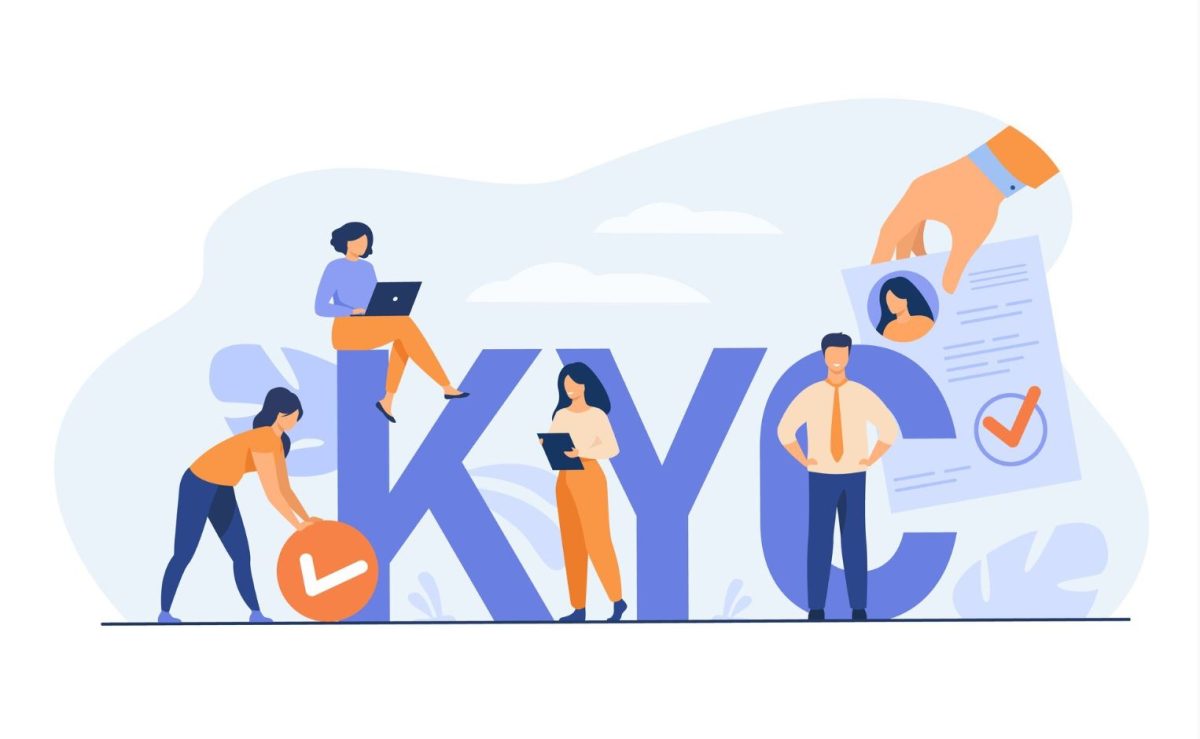
What KYC Actually Means at an Online Casino
KYC means “Know Your Customer.”
At an online casino, it means the operator must check that a player is a real person, old enough to gamble, and using their own details. That usually means checking a passport, driving license, national ID card, address document, or payment proof.
The goal is simple enough. Casinos need to stop underage gambling, fake accounts, bonus abuse, stolen payment use, money laundering, and blocked players creating fresh accounts.
The old problem was timing. Some casinos waited until withdrawal before asking for documents. That created a bad player experience because the ID check arrived right when money was already waiting.
Now the cleaner setup is pre-checking. A player proves who they are during signup, or when risk rules ask for it. Then the casino can make deposit, bonus, and withdrawal decisions with less guesswork.
Offshore casinos work differently, though. Many now use lighter checks, crypto payments, or delayed verification, especially when they serve markets where local casino rules are tighter. Australia is a good example. Local online casino access is limited, so many players look at offshore casino sites instead. There are tons of Australian offshore casinos that don’t require KYC at all. For players who want that kind of filter, this list of the best no KYC casinos Australia from AussieCasinos makes the choice easier before any deposit is made.
The Software Behind Faster ID Checks
Modern document verification tools do more than ask players to upload a photo.
They scan the document, read the text, check the layout, compare the photo, test if the selfie is real, and flag signs of tampering. Good systems can also connect that result to AML checks, sanctions lists, politically exposed person checks, and risk scoring.
A simple casino flow may look like this:
- The player opens the KYC page.
- The system asks for a passport, a license, or an ID card.
- OCR reads the name, date of birth, document number, and expiry date.
- The system checks if the document format looks real.
- A selfie or short face scan checks that the player is present.
- Face matching compares the selfie with the ID photo.
- Risk rules decide if the player passes, fails, or needs review.
That matters because support teams should not be manually checking every blurry photo at midnight. Software handles the simple cases, and humans review the strange ones.
OCR Makes Document Checks Less Painful
OCR stands for optical character recognition.
In plain English, it reads text from an image. For casino KYC, that means the software can pull a player’s name, birth date, ID number, country, and expiry date from a document photo.
This helps in two ways.
- It saves the player from typing the same details again.
- It catches mismatches. If the player enters one birth date and the ID shows another, the system can stop the account before money moves.
Good OCR also reduces small mistakes. A human reviewer may miss a wrong digit in a long document number. A machine can spot that mismatch and ask for a better image.
The hard part is document variety. A casino may accept players from many countries, and each country has different IDs. Some use MRZ lines, some use barcodes, some use NFC chips, and some have layouts that change every few years.
Liveness Checks Are Now a Big Deal
A selfie alone is no longer enough.
Fraudsters can use old photos, edited images, deepfakes, replayed videos, or another person’s document. That is why liveness checks are now one of the most important parts of casino KYC.
A liveness check tries to confirm that a real person is in front of the camera at that moment. Some systems ask the player to turn their head, blink, smile, or follow a prompt. Others run passive checks in the background without making the player perform little face exercises.
NFC Checks Can Read the Real Chip
Some passports and ID cards include an NFC chip.
When a KYC system supports NFC, the player can tap the document against a phone. The software can then read signed data from the chip, instead of only judging a photo of the card.
That is useful because a photo can be edited. A chip is much harder to fake.
NFC is not always available, and not every player has a device that handles it well. Still, for higher-risk checks, it can give the casino much stronger proof that the document is real.
Risk Scoring Stops Good Players Getting Stuck
Not every player needs the same level of checking.
A low-risk player making a small deposit with clean details may only need a simple document and selfie check. A player using several accounts, changing payment methods, or making large withdrawals may need more review.
That is where risk scoring helps.
The system can look at things like country, document type, device, IP address, payment method, age, deposit size, withdrawal pattern, and previous account links. Then it can decide what to do next.
That does not mean the software should blindly block players. It means the casino can avoid treating every player like a fraud case.
A good risk engine should do three things:
- Pass clean players quickly.
- Send odd cases to manual review.
- Stop clear fraud before money leaves.
Proof of Address Is Getting Smarter Too
Proof of address used to be one of the most annoying KYC steps.
Players had to upload a utility bill, bank statement, tax letter, or official document. Then someone had to check the name, address, date, and document type. If the image was cropped or too old, the whole thing started again.
Newer tools can read proof of address documents with OCR, too. They can check the issue date, match the name to the ID, compare the address to the account, and flag missing corners or edited files.
Some systems can also verify address data through trusted databases, where allowed. That can remove the document upload step completely in certain markets.
KYC Is Also About Safer Gambling
KYC is often discussed as an anti-fraud tool, but it also helps with safer gambling.
If a casino does not know who the player is, it cannot reliably block underage users, self-excluded users, duplicate accounts, or banned players. That is a real problem, especially when players try to open fresh accounts after setting limits.
Strong KYC makes those checks harder to dodge.
It can also support better responsible gambling tools. When a casino knows the verified account holder, deposit limits, cooling-off periods, and exclusion tools are harder to bypass.
What Better KYC Looks Like for Players
Good KYC should feel boring, quick, and clear.
The casino should say which documents are accepted before the player starts. The upload page should work on mobile. The system should explain why a document failed. The player should not have to send the same file five times to five different support agents.
A better KYC flow looks like this:
- Clear document list before upload
- Mobile camera capture inside the browser or app
- Automatic checks for blur, glare, and cropped edges
- Fast document reading and face matching
- Simple reason codes when something fails
- Manual review only when needed
- Clear timelines for approval
- Secure storage and privacy wording
 PFU (EMEA) Limited launches ScanSnap iX1300
 Chancellor needs to act to save UK manufacturing from a wave of damaging tax changes
 Forterro Enters UK Market & Expands Product Portfolio with Acquisition of SaaS MRP/ERP Provider 123 Insight
 Budget’s ‘super-deduction’ capital allowance offers logistics sector a golden opportunity
 Preventing Production Pitfalls: Why Strong Network Infrastructure Is Critical for Modern Factories
 Navis Opens Submission for its 2021 Inspire Awards