
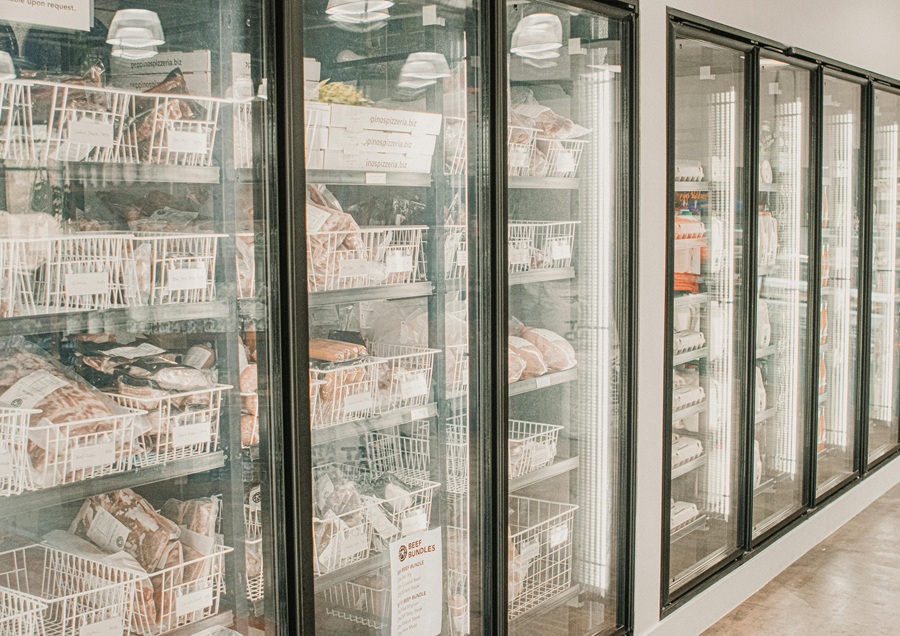
In a frantic commercial kitchen, every square metre of floor space matters. Traditional setups usually rely on a scattered mix of standalone fridges and chest freezers plugged into whatever wall sockets are available.
Integrated refrigeration systems change this completely. Instead of isolated appliances, an integrated approach designs multi-function, space-efficient cold storage directly into the kitchen’s core layout.
It is quickly becoming the baseline standard for modern foodservice venues. Why? Because kitchen planners are realising that workflow and thermal compliance cannot be treated as afterthoughts.
By consolidating cold storage, operators can create a seamless environment where chefs move less, ingredients stay at stable temperatures, and space is maximised. It is a shift from simply buying appliances to deliberately designing an ecosystem that keeps pace with a high-volume venue.
The True Cost Drivers in Commercial Refrigeration Operations
Running an F&B business means managing thin margins, and your refrigeration is quietly eating into those profits every single day. The most obvious culprit is energy usage. Data from the International Energy Agency points to cooling as a massive driver of commercial electricity demands.
Then there is food waste. According to reports by the UNEP, food loss remains a severe global issue, and in a commercial kitchen, much of this stems from poor temperature consistency. When a compressor struggles or a door seals poorly, expensive stock spoils.
Beyond utilities and waste, think about the hidden drains on your bottom line. Frequent maintenance callouts for ageing, uncoordinated units add up fast. There is also the cost of labour inefficiency, such as staff walking back and forth to remote storage rooms, and the ever-present threat of compliance audits if temperatures breach safety standards.
How Integrated Refrigeration Systems Reduce Operational Costs
Investing in a unified system systematically tackles these overheads. Here is exactly how the financial advantages play out on the kitchen floor:
1. Improved Energy Efficiency
Consolidating your cooling setups eliminates the redundant power draw of multiple small compressors. By utilising smart insulation and modern engineering, often highlighted by ENERGY STAR, integrated units draw significantly less total power over their operational lifecycles.
2. Reduced Food Waste
When temperatures fluctuate, stock degrades quickly. Integrated setups offer superior thermal stability through precision zoned storage. Reports from the World Resources Institute show how critical stable climate control is to halting inventory spoilage before it hits your bottom line.
3. Optimised Kitchen Workflow
If your line cooks have everything they need within arm’s reach, service moves much faster. Integrating cold storage directly into prep lines reduces foot traffic, trims ticket times, and minimises door-open times during rushes.
4. Lower Maintenance Overheads
Servicing five different standalone fridges is a logistical nightmare. A coordinated setup means fewer total breakdown points, simpler compliance logging, and streamlined preventative maintenance schedules.
Choosing the Right Integrated Refrigeration Setup for Your Kitchen
Selecting the right configuration requires a cold, hard look at your daily operations rather than just picking a model from a catalogue. You need to evaluate your physical floor plan, your menu structure, and how intense your peak service hours get. Energy ratings matter immensely, but so does volume capacity.
For compact kitchens where floor real estate comes at a premium, horizontal bench fridges alone rarely cut it. This is where vertical storage systems become an essential piece of the puzzle. Maximising your kitchen’s vertical footprint allows you to store more inventory without blocking vital walkways or crowding your prep staff.
If you are dealing with tight architectural constraints but cannot afford to compromise on holding capacity, moving your cold storage upward is often the smartest design choice you can make. It sets up a logical transition into vertical options that bridge the gap between heavy volume demands and limited physical space.
Where Upright Refrigeration Systems Fit Into
Cost-Efficient Kitchen Design
Vertical configurations are the unsung workhorses of high-output foodservice venues. For kitchens operating in tight service environments or requiring vertical storage efficiency, modern upright combos provide a practical way to consolidate cold storage while maintaining accessibility and performance consistency.
By using multi-shelf segmentation, these units allow your team to organise ingredients by prep order or safety category, dramatically speeding up stock rotation. Instead of staff bending down or digging through deep chest freezers, everything sits at eye level for rapid retrieval.
Data shared by the Foodservice Consultants Society International points to clever spatial planning as a primary driver of kitchen speed. Upright units deliver that exact speed, giving you the massive volume capacity of a walk-in coolroom while occupying only a fraction of the actual kitchen footprint.
Key Takeaays for F&B Operators Investing in Refrigeration Systems
At the end of the day, commercial refrigeration should be viewed as a long-term investment, not just a line item expense. Transitioning to an integrated system fundamentally reduces your total cost of ownership by protecting stock and lowering power bills.
When you evaluate your next equipment upgrade, look past the initial price tag and focus on lifecycle costs. Prioritising efficiency and smart layout design directly protects your venue’s long-term operational resilience and profitability.
 Amid Tobacco Supply Chain Disruption, Companies Turn to Tobacco-Free Nicotine Pouch Products
 Why Workflow Automation is Essential for Scaling Modern Businesses
 AUGNET ANNOUNCES £1.3M INVESTMENT LED BY TRIPLE POINT VENTURE FUND
 Continent 8 Technologies Bets On Nutanix To Get Ahead In The Regulated Public Cloud iGame
 Native video ads: A way for better promotion?
 Nutreco will join Transporeon’s worldwide network to optimize its logistics sourcing & execution