

Commercial construction projects must come with immense coordination and sharp strategic planning.
Owners face tight deadlines and complex regulatory demands before breaking ground. You can protect your investment and focus on smart scheduling and team communication.
Clear milestones keep the entire crew aligned from the foundation pour to the final inspection.
Success relies on making informed decisions at every stage. Careful preparation prevents budget overruns and keeps operations running smoothly.
Select Reliable Materials For Long-Term Durability
Every structural choice impacts the lifetime maintenance costs of a commercial facility. Project managers turn to professionals like ITL Reinforced Concrete Roll to protect critical surfaces against severe erosion and moisture damage. High-quality elements chosen by commercial builders like Keir Constructions protect the framework from early wear and environmental stress.
Investing in premium supplies saves substantial money, a smart choice for savvy property developers. Durable components withstand harsh weather conditions without requiring constant upkeep.
Engineers analyze soil composition thoroughly before specifying concrete mixtures. Correct assessments eliminate structural failures before they begin. Ground testing prevents catastrophic settling issues after building completion.
Getting the right financial support to ensure everything moves smoothly during development is just as important as structural planning. Texans from Space City are often eager to learn some more about commercial real estate loans in Houston to secure favorable terms before purchasing viable land. Aligning project budgets with specialized financing packages helps developers cover initial site preparation and engineering costs without delay. Taking these financial precautions early protects overall capital investments throughout every phase of construction.

Focus On Strict Feasibility Appraisals
Before purchasing a plot of land, developers must confirm the site meets local structural requirements. Financial assessments verify that the anticipated rental income justifies the upfront cash outlay. Skip detailed assessments to create financial liabilities for investors later.
Comprehensive research reveals hidden expenses like environmental remediation, SWPPP compliance costs, or utility line extensions. Project managers can adjust budgets before spending millions of dollars. Reliable data forms the bedrock of every profitable build. Detailed reports satisfy bank requirements during loan applications.
Municipal codes dictate building heights and parking ratios across city zones. Team leaders need to study local ordinances to avoid costly legal delays during inspections. Proper planning prevents unexpected zoning fines.
Track Materials And Reduce Waste Aggressively
Substantial capital vanishes when builders mismanage raw inventory during the active building phase. A recent management study advised supervisors to optimize building material usage to cut total job site waste by 20%. Implementing careful logging systems prevents over-ordering and controls supply costs.
The use of organized tracking methods can deliver multiple immediate benefits:
- Detailed spreadsheets monitor daily supply consumption
- Centralized storage protects sensitive products from weather damage
- Regular inventory counts eliminate surprise shortages during critical shifts
Supervisors should assign specific team members to oversee the delivery docks. Monitoring incoming trucks prevents missing shipments and confirms that the correct quantities arrive safely. Attentive dock managers catch supplier mistakes immediately.
Integrate Modern Technology Platforms
Embracing digital tools simplifies communication between field workers and corporate offices. Cloud-based blueprint applications give subcontractors instant access to updated architectural schematics. Real-time data prevents expensive rework caused by outdated paper prints.
Advanced scheduling software predicts supply delivery delays based on global transit patterns. Project managers use these insights to adjust timelines before delays disrupt work on site. Automated updates keep clients informed with no need for repetitive phone calls. Digital records provide clear evidence if legal disputes surface later.

Successful commercial construction demands balanced leadership, smart material choices, and rigorous budget tracking. Every decision shapes the long-term viability of the final structure. By addressing workforce limitations and leveraging tracking tools, developers can overcome industry challenges. With the right strategies in place, your next commercial development will stand as a highly profitable asset for decades.
 BCN3D unveils Viscous Lithography Manufacturing, a new 3D printing technology to unlock manufacturing autonomy
 Why You Need to Protect Your Data From Cloud Security Risks
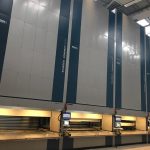 Randex announces new vertical storage-ERP systems integration
 Tech savviness soars following pandemic but personal touch still key to customer experience
 Key steps & considerations for building a solid cloud management strategy to enable business growth
 New Study Reveals Value of Expert Managed Services to Maximize the Benefits of Multicloud