

IT procurement and supply chain professionals increasingly rely on LinkedIn to build robust supplier and partner networks. Effective networking on this platform requires clear profile positioning, precision in identifying stakeholders, and carefully crafted engagement tactics. Understanding these strategies can support more efficient sourcing cycles and improved professional credibility.
Today’s IT supply chain landscape is shaped by rapid technological shifts and complex global relationships. As procurement specialists seek better ways to discover suppliers, maintain transparency, and foster trust, LinkedIn has become an essential digital tool for industry networking.
By leveraging linkedin lead generation services, you can augment your network-building efforts and support due diligence processes mid-cycle. Mastering these strategies helps ensure that your professional presence and outreach stand up to supplier and partner scrutiny.
LinkedIn’s role in modern IT procurement activities
LinkedIn allows you to discover new suppliers and review their public profiles in detail, which can provide useful signals in vendor due diligence. It is common to use LinkedIn as a first step for researching organizations, assessing team capabilities, and confirming operational details.
Relationship maintenance is just as important as initial contact. Many procurement professionals manage updates, introductions, and regular touchpoints within LinkedIn, ensuring they stay connected with a mix of distributors, system integrators, and logistics firms across the global supply chain.
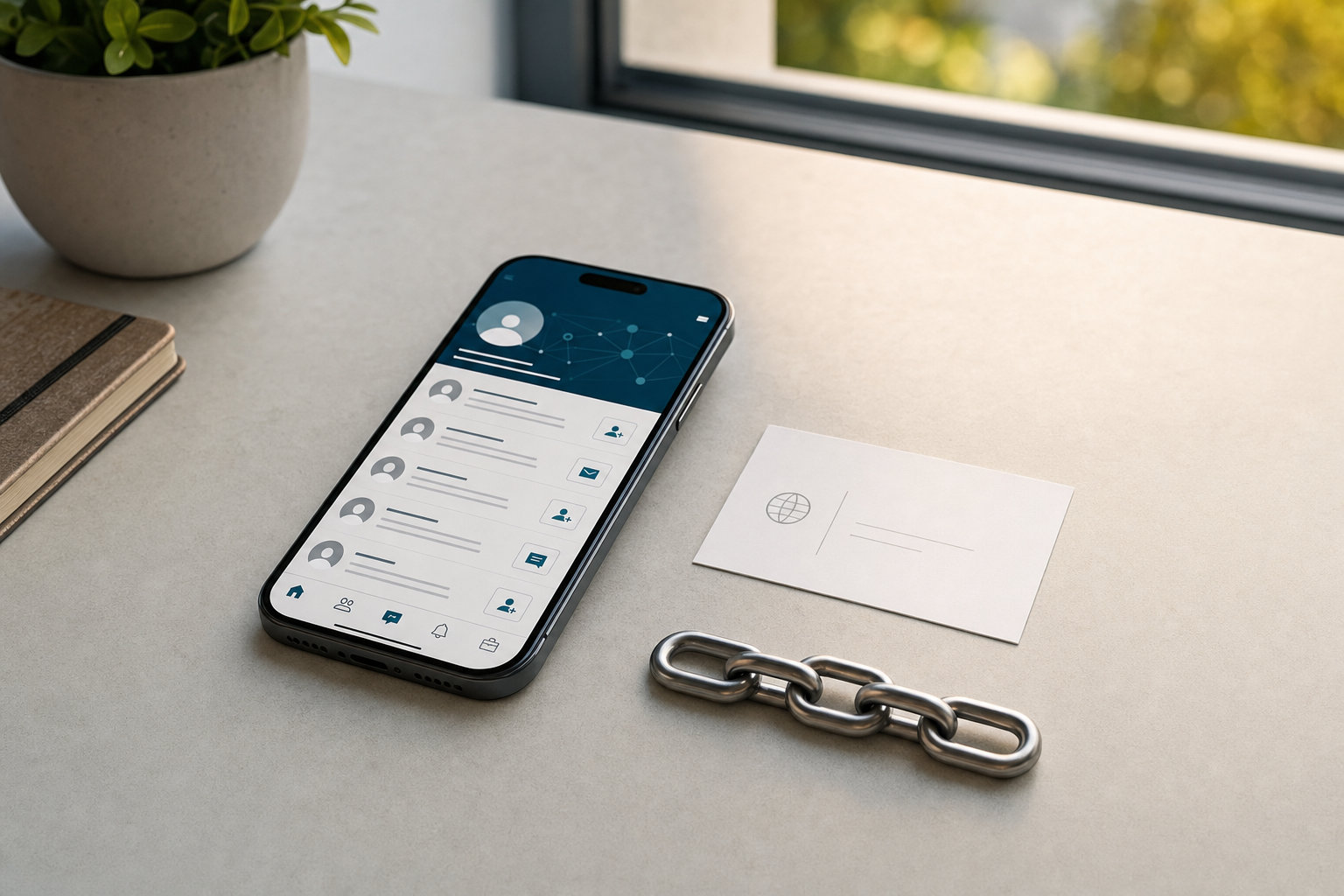
Designing a credible and relevant LinkedIn profile
Your LinkedIn profile should clarify your procurement role, with domain-specific details about your focus areas and achievements. Clearly stating your sourcing expertise, technical categories, and project scope can reassure vendors that you understand procurement cycles.
Adding proof points, such as project milestones, completed vendor assessments, or relevant certifications, can help build trust with suppliers and internal stakeholders. Using industry keywords strategically can increase your profile’s visibility, allowing relevant professionals to find and engage with you.
Visual elements of your profile should not be overlooked, as they contribute significantly to first impressions. A professional headshot, a banner image that reflects your industry focus, and a well-structured featured section showcasing relevant presentations, case studies, or procurement frameworks can differentiate your profile from generic accounts. Consider highlighting specific technologies you procure, such as cloud infrastructure, networking equipment, or enterprise software, to help suppliers quickly assess alignment with their offerings. Regular profile updates that reflect new certifications, completed negotiations, or participation in industry conferences signal active engagement in the field and demonstrate continuous professional development to your network.
Effective approaches for supplier and partner engagement
Identifying the right contacts within supplier organizations is important. You can use LinkedIn’s advanced search, group participation, and shared content to distinguish decision makers from influencers across distributors, OEMs, and logistics partners.
Engaging with context-led outreach messages is a common practice. There are situations where it is more effective to connect first, while in others, you may see better results by interacting through comments and group discussions; structured outreach workflows can help by identifying engagement-ready contacts mid-process.
Strengthening relationships and managing networking risks
Publishing content about procurement risk, supply chain availability, and compliance can provide neutral value to your network and may help establish professional credibility. Well-placed insights into lifecycle planning or regulatory developments can prompt constructive discussions and support your reputation among suppliers.
Automation has its advantages when used within appropriate limits, such as scheduling reminders, tagging key interactions, or maintaining workflow organization. However, excessive use of automated messaging or over-personalization can damage relationships and diminish trust, so it is important to keep communications professional, especially when handling sensitive supplier information.
Author bio: This article was written by an industry professional with experience in IT procurement and supply chain management. The content is designed to offer practical strategies for effective LinkedIn networking within the sector.
 Best Image Upscaling Apps
 Shared Labs, Shared Success: Creating Innovation Ecosystems That Attract Global Investment
 Why More US Importers Choose DDP Shipping from China in 2025
 Inchcape Accelerates Digital Transformation With Google Cloud & SAP
 The Telecom SaaS You’re Not Watching: How 1300 and 1800 Numbers Drive Recurring Revenue
 Tower to bring the temperature of pharmaceutical logistics to CPhI