

A family pool can bring a lot of good things into daily life: exercise, outdoor time, weekend play, and a place for children to cool down during hot weather.
But once kids are involved, pool maintenance becomes more than keeping the water blue. It becomes a small home operations system built around safety, cleanliness, water balance, equipment checks, and simple routines that adults can actually keep up with.
Children bring more activity into the pool. They jump in and out, play with toys, drag in grass from the lawn, wear sunscreen, and stir up dirt from steps and shallow areas. That does not mean family pools have to be difficult to manage, but they do need a more consistent routine than a lightly used adult pool.
Clear water is not the only sign of a safe pool. Parents still need supervision, working barriers, clean surfaces, balanced water, and equipment that runs properly.
The best approach is to combine strong safety habits with practical maintenance, so the pool stays ready without turning every weekend into a cleanup project.
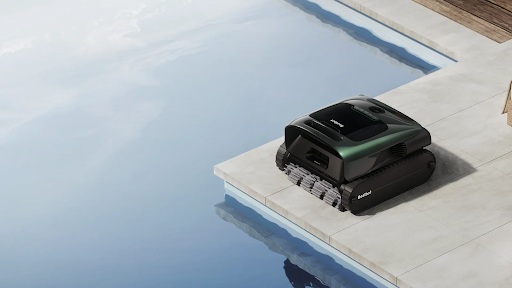
Set Pool Safety Rules Before the First Swim
Supervision Is the First Layer of Protection
The most important pool rule for families is simple: children should not be around water without active adult supervision. That means someone is clearly responsible for watching the pool, not glancing over while texting, cooking, talking with guests, or working inside the house.
During swim time, it helps to name a “water watcher.” At pool parties, adults can take turns so no one assumes someone else is watching. Even children who know how to swim still need attention, especially when there are toys, floats, games, or several kids in the water at once.
For toddlers and very young children, supervision should be close and immediate. Floating toys, arm bands, and pool noodles are not safety systems. They may help with play, but they do not replace an alert adult.
Barriers, Gates, and Rescue Gear Should Be Checked Often
A family pool also needs physical safety layers. Fences, self-closing gates, locks, pool covers, alarms, rescue hooks, and life rings should be checked regularly. A gate that does not latch properly is not a small detail when children are nearby.
Keep rescue gear visible and easy for adults to reach. Keep pool chemicals locked away. Store brushes, poles, nets, and cleaning tools where children cannot turn them into toys. Good pool safety is not one dramatic action. It is a collection of small systems that work every day.
Keep the Water Healthy for High Use Family Pools
Family pools usually get heavy use in short bursts. A normal week may be quiet, then the weekend brings kids, cousins, neighbours, toys, sunscreen, snacks, and hours of swimming. That kind of use changes the water quickly.
Test pH and chlorine several times per week during swimming season, and more often after parties, storms, or hot days. Chlorine helps control germs and algae, while pH affects comfort and how well sanitizer works. Alkalinity also matters because it helps keep pH from swinging too quickly.
Simple hygiene habits reduce the load on the water. Ask children to rinse feet before getting in. Reapply sunscreen outside the pool and allow it to settle before swimming when possible. Children who are sick, especially with stomach illness, should stay out of the water. For younger children, swim diapers need frequent checks and changes away from the pool.
A clean-looking pool still needs testing. Water can look fine even when sanitizer is low or pH is drifting.
Remove Toys, Debris, and Trip Hazards Every Day
Family pool care is partly about what happens after swimming. Toys left in the water can attract children back to the pool when adults are not watching. Floats, goggles, towels, snack wrappers, and wet shoes can also create clutter around the deck.
Make cleanup part of every swim session. Remove toys from the pool, skim leaves or bugs, and clear the deck before everyone goes inside. Empty skimmer baskets when they fill quickly, especially after windy days or heavy use. If grass clippings, leaves, or small debris are floating, deal with them before they sink.
This is also where a pool vacuum robot can fit into a smarter family maintenance routine. Families often need tools that reduce repeated work without making the routine complicated. When debris, sunscreen residue, and floor dirt are handled regularly, parents spend less time catching up and more time actually enjoying the pool with their kids.
Brush, Vacuum, and Clean the Waterline More Often With Kids
Children create more movement in the water, and that movement pushes dirt into more places. Sand and grass settle on the floor. Sunscreen and body oils gather around the waterline. Steps and shallow areas can develop a slippery film if ignored. Walls may look clean but still feel slick.
The waterline deserves special attention in family pools. It is where children hold the wall, rest between games, and climb in and out. A weekly brush helps remove sunscreen residue, dust, pollen, and light oils before they become a visible ring.
Pool floors also need regular cleaning. After playdates or weekend swimming, run a cleaner or vacuum the floor before debris has time to break down. Check filter baskets and rinse cartridges or service filters as needed. When kids use the pool often, the filtration system works harder.
Use Smart Cleaning Support to Reduce Repeated Pool Chores
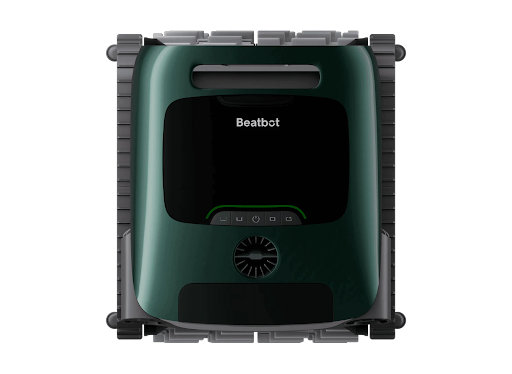
For families with kids, Beatbot AquaSense 2 Pro is a suitable product example because family pool care usually involves more than one cleaning zone. After a busy swim day, sunscreen residue can collect around the waterline, small debris can float on the surface, and grass, sand, or dirt can settle on the floor.Beatbot AquaSense 2 Pro is designed to clean the water surface, floor, walls, and waterline, with water clarification support as part of a broader pool maintenance routine. That makes it a stronger fit for high use family pools than a cleaner that only focuses on the floor.
In a real household routine, this kind of robotic cleaner can be used after swim time, once children are out of the pool and toys have been removed. It can help reduce repeated manual brushing and vacuuming, especially after weekend use, playdates, or summer gatherings. Parents comparing tools such as the best above ground pool vacuum should think less about one feature and more about which zones need regular support: surface debris, floor dirt, walls, and waterline buildup.
The limits are important.Beatbot AquaSense 2 Pro does not replace adult supervision, fencing, locked gates, water testing, chemical balancing, filter cleaning, or safe chemical storage. It is smart cleaning support, not a safety system.
Pool parties and playdates need extra checks before and after swimming. After wind, rain, or very hot weather, test the water again and look for debris that may have collected near the skimmer, steps, or waterline.
Make Pool Care a Family Routine, Not a Weekend Emergency
Family pool maintenance works best when it becomes normal. Children can learn simple rules: do not enter the pool area alone, do not run on wet surfaces, do not touch chemicals, and put toys away after swimming. Adults remain responsible for supervision, water testing, equipment, and safety checks.
A practical routine does not need to feel overwhelming. Test the water on set days. Skim after use. Brush the waterline weekly. Run a cleaner after heavy swimming. Empty baskets before flow gets weak.
Smart tools can reduce repeated cleaning, but they cannot replace adult attention. A family pool is easier to enjoy when safety, hygiene, and cleaning are built into everyday habits instead of rushed right before guests arrive. When the routine is simple enough to follow, the pool stays cleaner, safer, and more ready for the moments families actually want from it.
 FourKites announces $100 million Series D financing round
 AD Ports Group Launches its UAE Innovation Month 2022 Activities in a 3D Virtual World “Metaverse”
 Clouds are Gathering for an Open Platform for Supply Chain
 What’s happened to the flexibility in warehousing that businesses desperately need?
 Körber Launches Free Solution for Supply Chain Resiliency and Safety in Light of COVID-19
 Tariff Volatility and the Reality of Restructuring Supply Chains